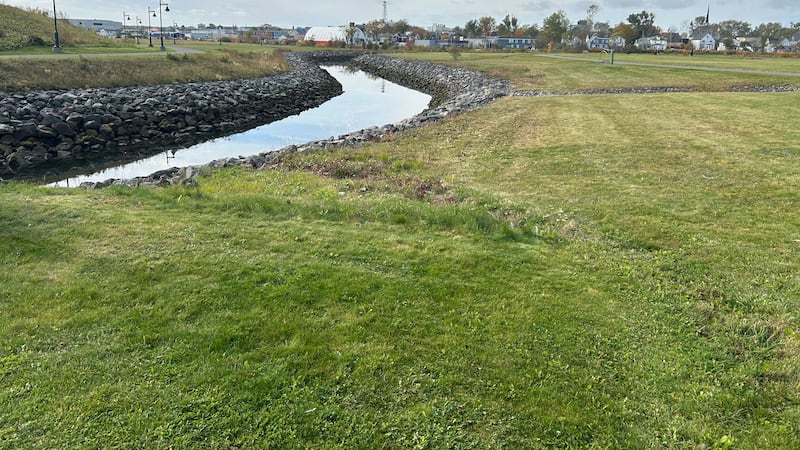
The City of Windsor is expanding its goose management program this year, with plans to relocate birds to a sanctuary as part of a long-term effort to reduce their presence in local parks. Jamie Scott, acting executive director of parks, recreation and facilities, says council first directed administration in 2025 to implement a citywide strategy to manage Canada goose populations. He says early results from the program have been encouraging. “We completed that program with positive results,” Scott said in an interview with CTV News. The city will continue those efforts in 2026, while introducing a new component — relocating geese during the summer months. “This will happen in June or July, based on the permit that’s coming back from Canada Wildlife Services,” Scott said, referring to Canadian Wildlife Service. Captured birds will be humanely transported to a sanctuary, he said, under federal guidelines. “It’s a humane collection and transportation of the geese … and they’re off to a sanctuary.” Scott said managing the population is a long-term process, noting geese return annually and changes won’t happen overnight. “The program is going to take numerous years to get everything settled through,” he explained. “But we’re certainly starting to see a positive outlook in terms of fewer geese in our parks.” The initiative targets several high-traffic areas across the city, including riverfront parks, Little River Corridor, Blue Heron Park, and Mic Mac Park. Scott said large flocks have historically caused damage to green spaces and created sanitation concerns due to droppings on trails and playgrounds. “The idea is to continue to lessen the amount of goose droppings that are on our trails or within our parks,” he said. “We want to make these parks usable for our residents.” Previous efforts, including deterrents like wolf cutouts and changes to grass height, proved ineffective, prompting the city to hire a specialized contractor through a request-for-proposals process. Scott said the company, which works with municipalities across Ontario, uses techniques such as nest tracking and egg management, with locations logged to build a long-term database. “All the nests, all the eggs, everything that’s found is geolocated so that we can return to those areas the following year,” he said. The city says the program will continue to evolve as more data is collected, with the goal of gradually reducing the number of geese frequenting Windsor’s parks.