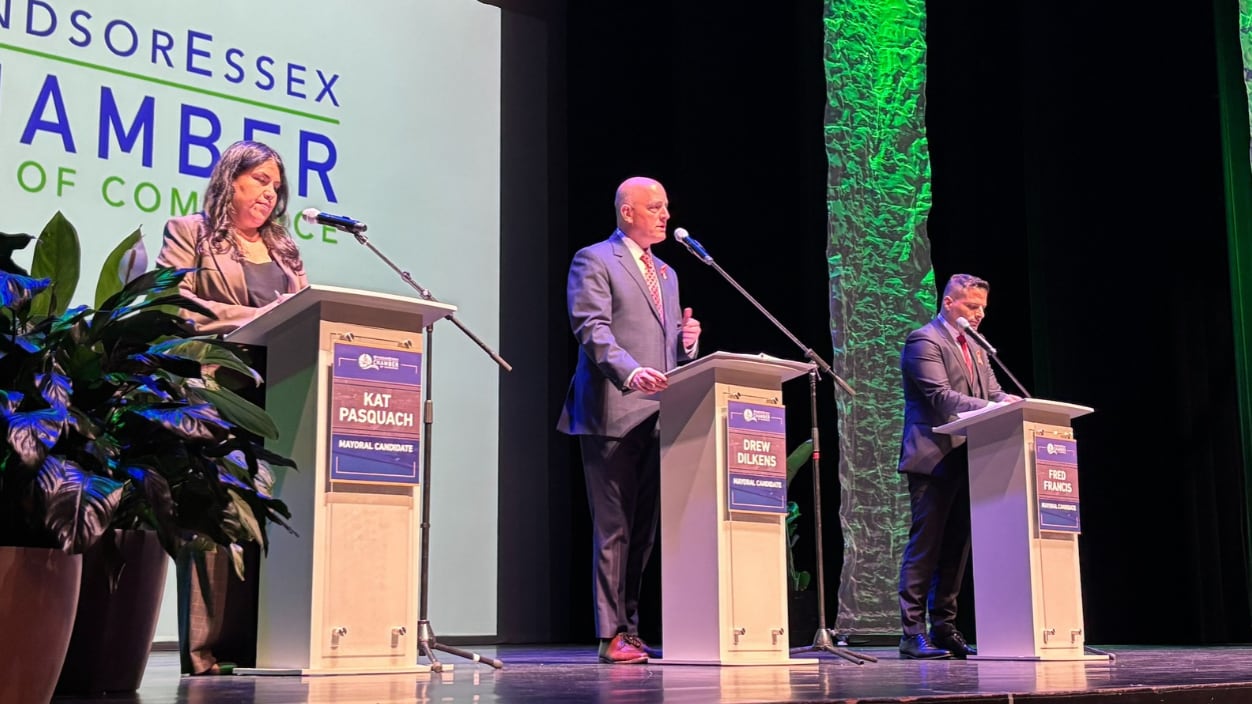
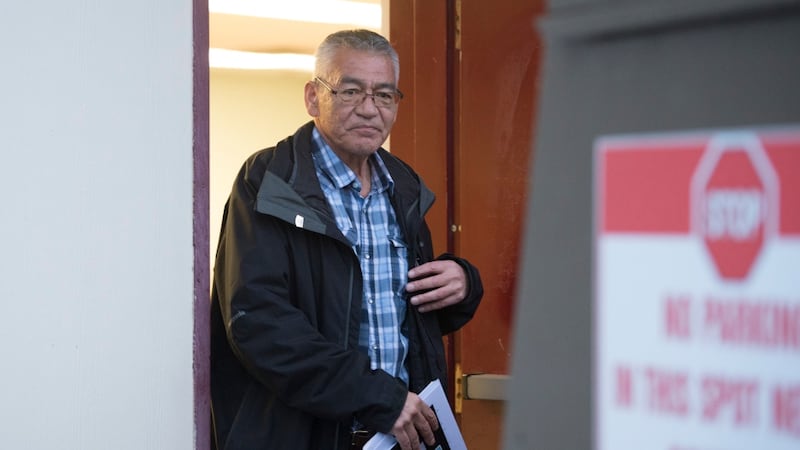
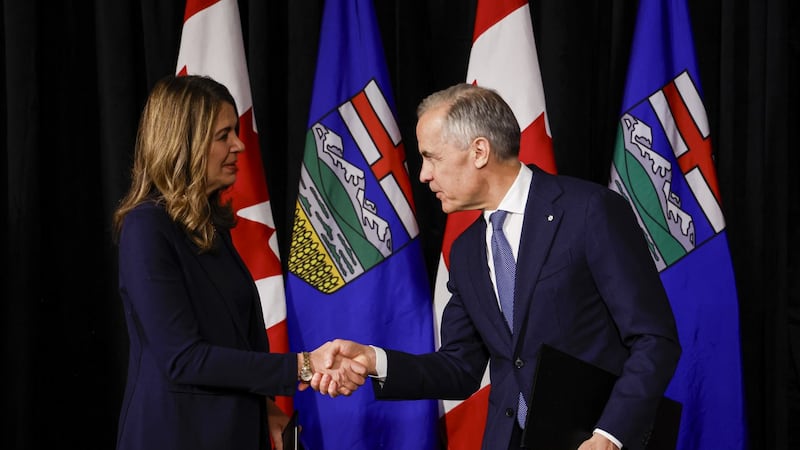
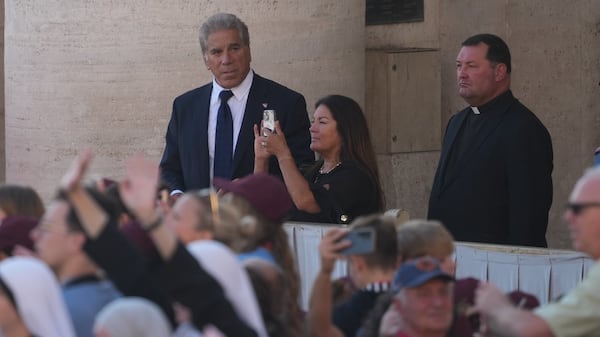
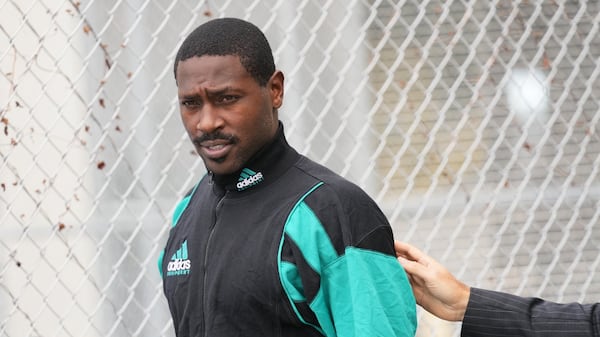
Three of Windsor’s mayoral candidates squared off in an at-times fiery debate on Tuesday afternoon. Hosted by the Windsor Essex Chamber of Commerce, the debate held at the Chrysler Theatre included candidates Drew Dilkens, Fred Francis, and Kat Pasquach. A series of pre-determined questions focused on managing Windsor’s economy amid U.S. tariffs, housing, homelessness, and the downtown core. Each candidate delivered a different pitch to the crowd of more than 300, stating why they deserve the city’s top job. Pasquach focused on a campaign “built around the voices who have been ignored,” Francis billed himself as a “fresh perspective” with experience, and Dilkens said he was the only option for “stability” and “proven leadership.” On each question, candidates had a chance to speak, and at the end, one person had the chance to provide a rebuttal to their opponents’ plans. War of words From the start, the debate was a chippy affair with no shortage of verbal jabs and pointed comebacks. Barbs were traded back and forth, often between Francis and Dilkens, over previous voting history, controversial legacy projects, and even the sweep of the mayor’s office for listening devices. During one question related to housing, Dilkens alleged Francis threatened to fire a city staffer. “You know, he actually threatened our CAO; he threatened to fire our CAO because he didn’t like what council did at Roseland,” Dilkens claimed. Dilkens didn’t provide further details or proof, but Francis refuted the claim during his next speaking period. “You can’t just make baseless accusations with no proof. I’ve never threatened to fire anyone,” Francis said. “When you look at the last 12 years, the only person on this stage that’s actually fired people using Strong Mayor Powers has been Drew Dilkens.” When the question turned to Pasquach, she paused for a moment before admitting the prior conversation threw off her focus. “I guess I just got stuck on some of the points in hearing so much back and forth in egos on this stage,” Pasquach said. She later apologized for the “quip” and said it was inappropriate. Tariffs and economy Several questions focused on how candidates would lead Windsor under the pressure of U.S. tariffs. Drew Dilkens said the unique challenges the Canada-U.S. trade war presents for Windsor is why “stability” is needed in the mayor’s office. He pointed to his efforts to form the Border Mayors Alliance, and said, if elected, he would create more locally focused strategies. “I’m going to implement a Buy Windsor strategy. I’m going to implement a Buy Canadian strategy, banning U.S. companies from bidding and being awarded projects at City Hall,” he said. Dilkens added he would fight for Windsor’s “fair share” from the Gordie Howe International Bridge to support an economic development fund. When the question turned to Francis, he said the focus at the municipal level must be on diligent spending to provide more financial flexibility. Francis proposed support for provincial buy local legislation and a new registry to detail local businesses in the area. Francis reiterated plans to try to revive the tunnel bus, a municipally operated service between Windsor and Detroit that was controversially cancelled. “So we have to maintain our relationship with Detroit so we can continue to build our economy with them with respect to manufacturing, industrial, tourism and so on, because it’s a two-way street,” Francis said. During her allotted time, Pasquach said Windsor has to position itself to attract businesses from the U.S. To take it one step further, she said the city has to focus on bringing Americans to Windsor neighbourhoods to spend money. “We do our best to make Windsor an attractive place that people want to visit and that people want to invest in. We can only do that by building up a city that people are proud to live in,” Pasquach said. When the rebuttal opportunity turned to Dilkens, he took aim at Francis’ tunnel bus proposal, given a private company has begun providing a similar service. “What I just heard is his plan is to reintroduce the tunnel bus at a cost to you of $2.5 million more a year, putting the private sector out of business, bringing expense to City Hall. I don’t understand this; how is this going to help?” he questioned. Housing As Windsor’s plans for continued growth, candidates were asked about their plans to increase the city’s housing stock. Pasquach, who said she can’t afford to move, admitted it’s frustrating to hear other candidates fail to address affordable housing. Her pitch involved larger investments in co-operative housing, where members collectively own and govern their building. “Providing land and resources for those who collectively want to come together and be empowered to do so is a part of my plan,” Pasquach said. “Purchasing power goes a long way when you mobilize residents and give them an opportunity.” The local business owner added the city should not be offering up public lands to developers. During his response to the question, Dilkens reiterated he would not support four-units as-of-right housing. He pointed to current city initiatives such as the Housing Solutions Made for Windsor plan, and his proposal for the Village at the Barn downtown. Several times throughout the debate, Dilkens referenced city plans for the Sandwich South lands, where he said more than 5,000 new homes could be developed. “So, this is where the future of Windsor is. We need to get that land ready. The moment you push the button to start, it’s 6 to 8 years,” Dilkens said, adding that Francis voted against the land plans. Moments later, Francis took direct aim at Dilkens and the development of condo buildings at Roseland. “He says he’s against four by right, but he had no problem with 48 by right in a neighbourhood that doesn’t have anything like that,” Francis said. If elected, Francis said he would introduce “housing first initiatives,” such as rent supplements and subsidized housing. Though the debate featured three candidates, 11 people have officially registered to run for mayor, according to the city’s certified list. Ahead of the debate, the chamber noted participants were selected based on survey responses they received from members. The chamber added that invitations are not an endorsement of a campaign or candidate.