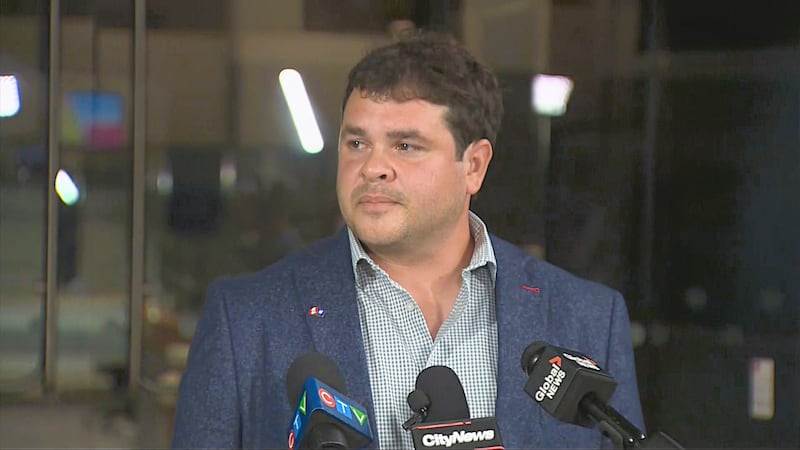
City Coun. Renaldo Agostino wants the city to send a letter to the Ministry of Health calling for a review of how some clinics prescribe and dispense treatments. “We’re certainly bearing the brunt of the effects of what’s happening out there,” Agostino said. “I don’t think any of us don’t want to see the work that’s being done. We just need to do a better job at it.” Agostino raised concerns about what he describes as “variety store” style care where patients can receive prescriptions from a health care expert virtually at a local pharmacy. Some have claimed some of the drugs are sometimes re-sold on the street for something stronger. “We just have to be honest with the situation,” said Windsor Mayor Drew Dilkens. “Let’s look at what we’re dealing with here and try to find solutions that help the businesses downtown, make people feel safe and coming downtown but at the same time try and help the people that need the help for which these pharmacies are in business.” London City Coun. David Ferreira sent a letter to regulators and the Ministry of Health in February without a response. He tabled a motion that is expected to get council approval Tuesday night. “We’re going to be writing a letter basically stating that everything that I had in my motion, everything that I really spoke to here and we’re going to be bringing that letter to the Ministry of Health and the regulators,” Ferreira said. “We need to pivot away from the for-profit side. We really need to kind of say this is better suited and administered through a publicly funded and publicly administered model.” Pharmacist Tim Brady sympathizes with the addiction epidemic but says a system is in place to help. “You can’t attack a system that’s actually trying to help,” he said. “I don’t know if people understand, there is not enough addictions doctors in the province.” He says treatment is not as simple as someone in front of an iPad getting medicine and moving on. While he acknowledges there’s bad actors everywhere, including in this scenario, there are measures in place to guard from abuse. “Before they do any of the treatment, they actually have to do a urine sample, so they know what the person’s been taking. This isn’t a shot in the dark,” Brady told CTV News. “A lot of times there’s rules for the patients.” Brady concedes pharmacies pop-up where there is more need. “We do know for a fact that if we don’t make it convenient, the people won’t get any type of treatment and that’s really problematic because then the drug use gets really out of control,” He explained. “You’re going to find them way too often eating up our local services, our hospital times and everything else. The whole idea behind these clinics is to try to give them, cure for their addiction and allow them to get some quality of life back so they can actually get their life back on track.”