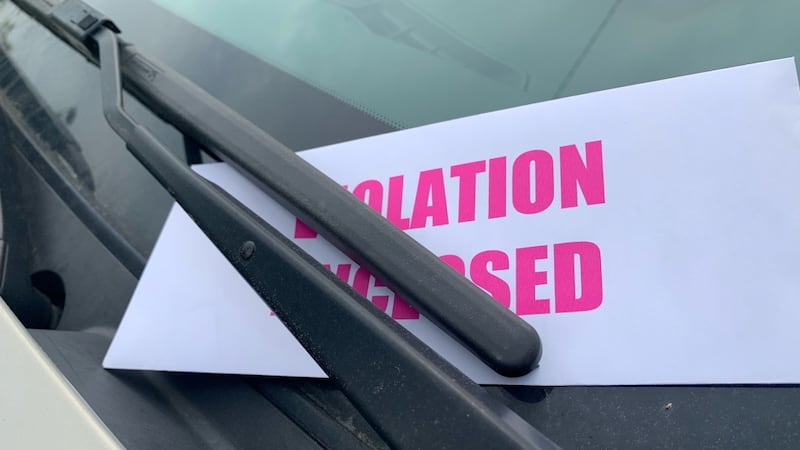
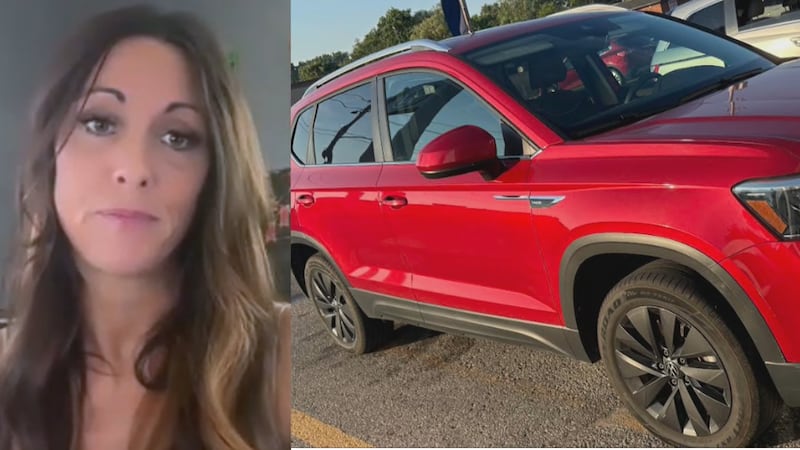
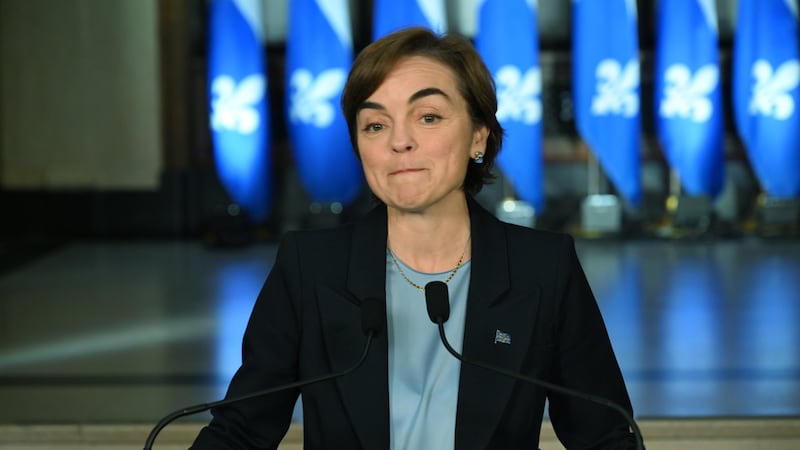
As food support organizations face growing demand, a program allowing drivers to donate the value of a parking ticket to charity is prompting mixed reactions from Windsor’s mayoral candidates. Drew Dilkens, Fred Francis, and Kat Pasquach were asked about the idea of introducing a “Food for Fines” program in Windsor, similar to initiatives already operating in other Ontario communities. Dilkens and Francis said the idea was worth exploring, while Pasquach raised concerns about whether it could create further inequities for people already struggling financially. Dilkens called the concept interesting but said he would want to understand how other municipalities administer it before deciding whether it would work in Windsor. “It’s a great incentive in order for folks to make donations to food banks,” Dilkens said. “We know that’s really important now.” He suggested the city could consider allowing donations to food banks in exchange for having a parking ticket reduced or waived but said the financial implications would need to be examined. “Any of the revenue the city collects from parking tickets is part of the budget,” Dilkens said. “And so, it would be allocated for general purposes.” Forgiving parking fines would therefore have a budgetary impact that would need to be addressed, he said. “It’s an interesting prospect and proposal and something we should look at and make, ask a few questions and understand better and see if it is appropriate here in the City of Windsor,” Dilkens said. Francis also said the proposal was worth reviewing, arguing that any revenue generated through parking enforcement should ultimately help residents. “The more ideas, the more innovative ideas, the better,” Francis said. “But so long as that money’s being used to help our fellow citizens, I think that’s the main objective.” Francis said parking fines are not a significant source of revenue when considered on their own, but contribute to the city’s overall revenue alongside licensing, permitting, and other fees. Windsor’s annual operating budget is about $1.2 billion, with approximately $505 million coming from property taxes, he said. “As a singular line item, not so much, but as a collective line item with all those others outside of property taxes, it is significant,” Francis said. Pasquach, meanwhile, said she was concerned the program could favour people with enough money or food at home to make donations, while doing little to help those who are struggling to afford basic necessities. “I don’t think that this is a fair system, because anybody with more resources and more food in their pantries are going to be able to pay off tickets. No problem,” Pasquach said. She said receiving a parking ticket can have a significant financial impact on someone already struggling to pay their bills. “I understand the idea about wanting to be able to bring food and resources and build up, but I don’t think that this is the answer,” she said. Pasquach told CTV News that she supports finding more ways to help food banks and other organizations, adding that the community should continue discussing how to improve support for people facing food insecurity. June Muir, president of the Windsor-Essex Food Bank Association, said additional donations could help organizations purchase food for people in need, including turkeys during the holiday season. “That’s a great idea. I didn’t realize other communities were doing it,” Muir said. “So, if it’s something our community can do, that would be great if the city could do that.” Muir said she would welcome the initiative as long as it did not put additional pressure on the city’s finances. She also praised the city for granting free parking for an association event in November, saying the arrangement would help encourage people to attend. Lori Nikkel, CEO of Second Harvest, said municipalities should consider supporting a wider range of charitable organizations that provide food, rather than directing all donations to food banks. “I like the idea of municipalities supporting the charitable network,” Nikkel said. “Don’t make it about the food bank. There are lots of organizations supporting people with food.” Nikkel said some organizations providing food assistance receive less attention and funding despite their role in helping people access meals. “Yes, that would be my recommendation, because I think what happens is often people think food bank. Food bank. And that’s where all the money goes,” she said. “Not that they don’t need it and they need more, but there’s a whole group that gets almost nothing.” Innisfil, Ont., offers one example of how such a program can work. The town’s annual “Scrooge the Ticket” campaign has been running since 2015, allowing eligible motorists to donate the value of their parking fine to local causes instead of paying the fine through the usual process. According to the town, the initiative has generated $50,155.33 in toys, cash, and food donations since it began. The campaign is returning in 2026. Motorists who receive a parking ticket between Nov. 15 and Nov. 29 can choose to donate their fine amount to the initiative, with proceeds going to the Innisfil Food Bank and Troy Scott Community Fridges. While Innisfil’s experience offers a potential model for Windsor, the city’s mayoral candidates have not all endorsed adopting the program. Eight other candidates are also running for mayor in Windsor’s Oct. 26 municipal election.