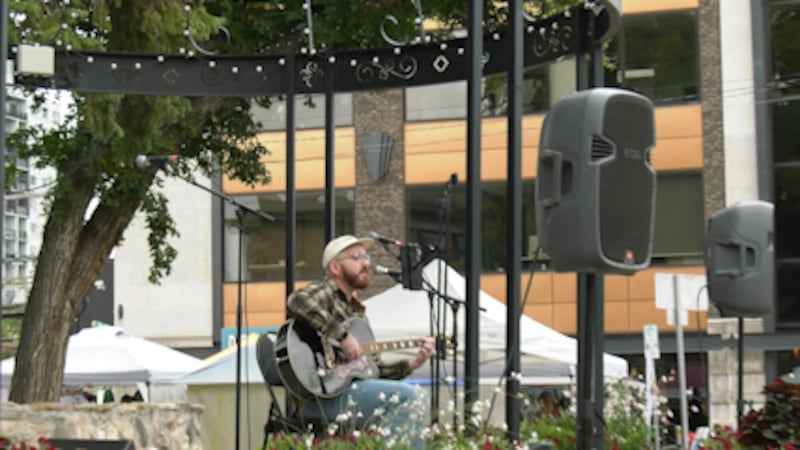
In the wake of a deadly festival attack in Vancouver, a new city report is outlining how Windsor manages safety at festivals and special events — and raising questions about whether stronger safety planning could come with costs that threaten smaller, volunteer-run events. The report, heading to Windsor’s Community Services Standing Committee next week, follows a question raised earlier this year by Ward 3 Coun. Renaldo Agostino after a vehicle-ramming attack at the Lapu-Lapu Day Filipino heritage street festival in Vancouver on April 26, 2025, killed 11 people and injured at least 32 others. Agostino asked administration to review Windsor’s event safety planning policies and conduct a risk assessment of public event spaces, drawing on his experience managing street closures and large public events. “For someone who’s been in this line of work for a long time, you’re always thinking about safety,” Agostino said. “When you see incidents like this elsewhere, you know you have to look at what you’re doing locally.” The report acknowledges that many community events in Windsor are organized by volunteers who may not be experienced event planners. It warns that increased safety requirements — including barricades, contracted police officers, and enhanced traffic control — could raise costs beyond what some organizers can absorb, potentially discouraging events from proceeding at all. Kristen Siapas, who organizes an annual jazz concert series at area parks, said those concerns are especially real for smaller events. “A lot of these events run on a really tight budget,” Siapas said. “You’re counting every dollar trying to put these events on. So if there’s any additional costs when it comes to security, or anything that’s going to be additionally required by the city, that can be really difficult from a cost perspective.” According to the report, Windsor’s Special Events Department oversees city-led events such as Bright Lights and Open Streets, while also supporting third-party organizers hosting events on city property. In 2025, the city processed approximately 500 permit requests, ranging from major parades and festivals to small neighbourhood walks and pop-up markets. Event applications are reviewed by the Special Event Resource Team (SERT) — a group of roughly 55 internal and external stakeholders that includes city departments, Windsor police, fire services, Essex-Windsor EMS, public health officials, and provincial regulators. Organizers are required to submit a Special Event Request Form outlining details such as location, dates, expected attendance, alcohol service, and road closures. However, the report notes there is currently no minimum advance notice required to submit an application, and additional safety documentation may be finalized close to event day. Agostino said the lack of lead time can create gaps in planning. “A lot of the problems happen because lead time’s not there, because everyone’s working last minute,” he said. Depending on an event’s size and risk profile, organizers may be required to provide traffic control plans, safety plans, site layouts, proof of insurance, and other documentation. These materials are circulated to SERT members, who may recommend additional measures such as contract-duty police officers, emergency access planning, barricades and signage, transit detours, or on-site EMS coverage. Downtown Zombie Walk organizer Shawn Lippert said safety is always part of planning large public events, but there are limits to what can realistically be done. “The safest thing you could possibly do is not have an event,” Lippert said. “You lock yourself in the basement — that’s 100 per cent safety. But you’re not creating memories that way.” Lippert said experienced organizers often try to submit safety plans well in advance, but newer groups may need more time to navigate the process. “Ideally, you want your safety plan in at least two months before,” he said. “If you already have templates and know what the city needs, it can move quickly. But if you’re learning it for the first time, it’s going to take time.” Administration also points to the challenge of managing hundreds of events annually and says it is reviewing ways to improve safety infrastructure. The report notes that permanent installations such as bollards could enhance traffic-related safety at certain locations, but involve significant costs and are limited to fixed sites. Moveable barricades offer greater flexibility, though their purchase and deployment also carry substantial expense. The report will go before the Community Services Standing Committee at its next meeting on Jan. 7.