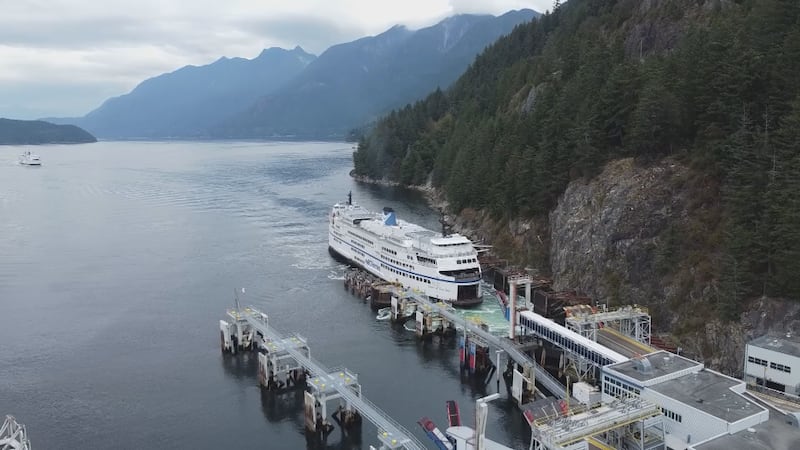
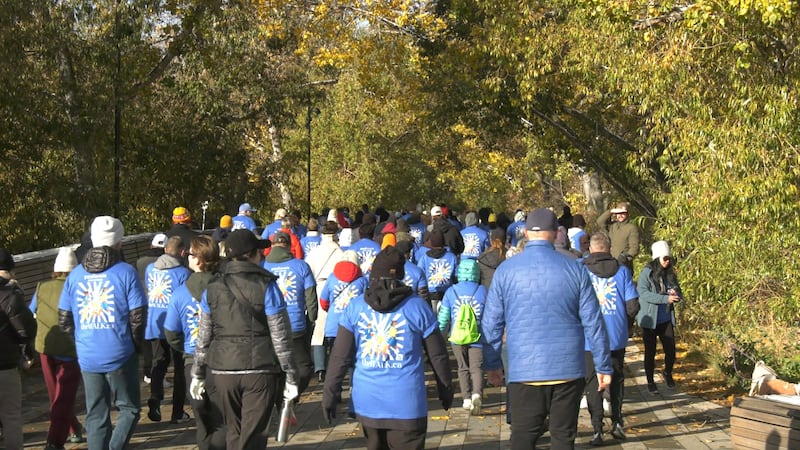
Five years after BC’s deadly heat dome, advocacy groups will push for protective policies during a march in honour of those who died. The walk is scheduled for Sunday at 2 p.m. in Victoria, taking people from Ogden Point to Mile Zero. “Things are ramping up with the climate emergency. Things aren’t going to get better,” said Julie Johnston with Seniors for Climate Victoria, one of the groups behind the event. “They’re not going to go back to normal as long as we’re emitting more and more greenhouse gases, which we’re doing.” Between June 25 and July 1, 2021, the federal government says western Canada experienced temperatures up to 20 C above normal. The heat wave caused 619 fatalities. Animal deaths were also recorded, including roughly one billion marine animals, according to an estimate from University of British Columbia researchers. When the heat dome began, Climate Justice Victoria spokesperson Eric Doherty was at his family’s farm near 100 Mile House, B.C. “We felt like our lives were in danger being there in the forest that was so flammable,” said Doherty, whose group is co-organizing Sunday’s walk. He fled to his home on Vancouver Island, stopping in the village of Lytton on the way. “I took a selfie in front of the Lytton sign because they had just broken the heat record. And when we were waiting for the ferry, we heard that Lytton had burned down,” Doherty said. On June 29, 2021, Lytton experienced the highest temperature ever measured in Canada at 49.6 C. The town was razed by a wildfire the next day, killing two people. Doherty and Johnston are calling for urgent divestment from fossil fuels. “We need to name the culprit, which is that we’ve based our economy on fossil fuels,” Johnston said. A researcher at the University of Victoria is calling for improved heat protections for workers. “The conditions under which employers are obligated to protect workers from extreme heat are ambiguous,” said Anelyse Weiler, an associate sociology professor who co-authored a report on the subject. “Workers don’t broadly know what their rights are, and employers don’t know either.” The report was published on Tuesday by Think Tank BC Policy Solutions. It argues B.C.’s heat exposure regulations are outdated and insufficient. Weiler wants WorkSafeBC to adopt a “trigger temperature,” where employers must take steps to protect workers, like providing water, shade and paid rest breaks. “BC has an opportunity to act before workers die,” Weiler said. “It shouldn’t take a worker dying before we adopt basic protections that are consistent with other jurisdictions.”