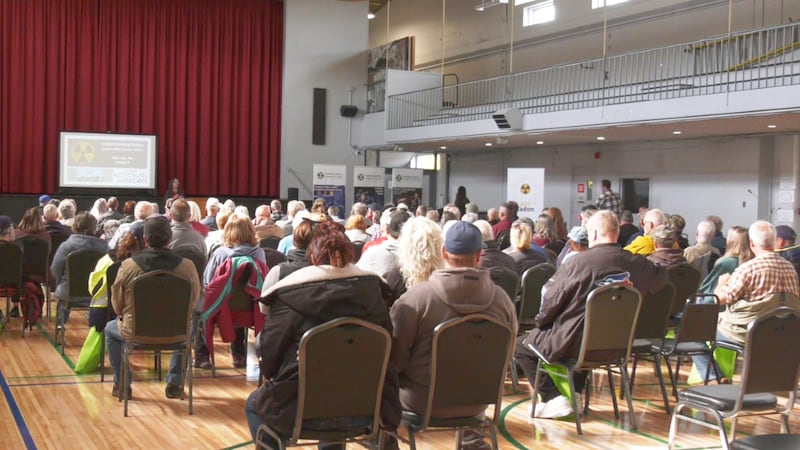
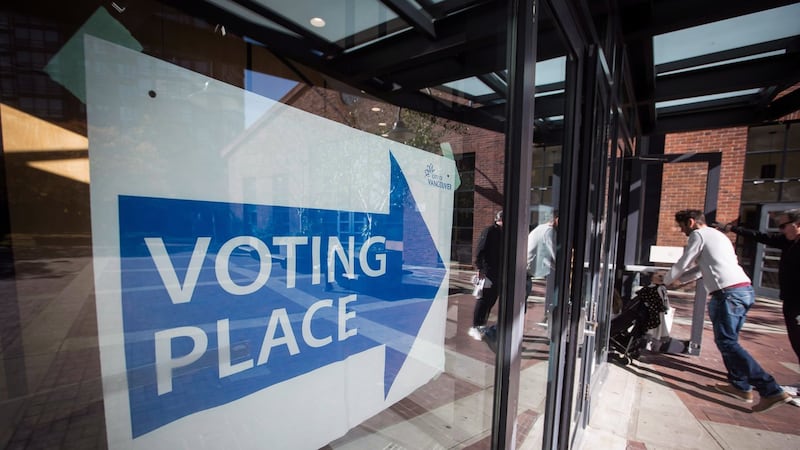
More than 230 people registered to speak Tuesday night as Vancouver City Council began hearing public feedback on the city’s controversial Villages Plan — a proposal that would change zoning to allow more low-rise housing in 17 neighbourhoods across Vancouver. Before hearing from the public, council spent the first part of the evening listening to a presentation from city staff outlining the proposal and questioning staff about various aspects of the plan. The public hearing followed later in the evening. The hearing drew such a large turnout that council heard from just 26 speakers before adjourning for the night. The hearing will reconvene on July 20 at 1 p.m. The Villages Plan would reshape zoning in neighbourhood village areas across Vancouver, allowing more low-rise housing and mixed-use development in locations currently dominated by detached homes. City planners say the proposal is intended to create more housing options, improve walkability and help accommodate future population growth. The plan affects 17 village areas across the city. In neighbourhoods such as the Macdonald Street and West 16th Avenue area, land currently occupied by detached houses could eventually be redeveloped with low-rise apartment buildings and mixed-use projects under the city’s proposal. Supporters told council the city needs to act more aggressively to address housing affordability. “Cancelling plans like this or even just slow-walking them risks worsening the housing crisis and making it so that our kids cannot afford to live in the city that we live in,” one speaker said. Another supporter argued the proposal would introduce housing choices in areas that have historically restricted apartment development. “This would provide a lot more housing options around the city in a lot of neighbourhoods that just have historically forbidden apartments entirely.” While supporters and opponents packed city hall, the written submissions submitted to council showed significantly more opposition than support. City records show council received 1,902 submissions opposing the plan, compared with 347 in support, along with 54 categorized as other. The city notes public comments may include multiple or duplicate entries. Many residents living in affected neighbourhoods raised concerns about changing neighbourhood character, the potential loss of mature trees and whether increased redevelopment could affect homeowners. Questions about possible impacts on property taxes surfaced repeatedly throughout the hearing. “The developers are really running the city, not the people,” said one hearing attendee. “Yes, Vancouver’s going to grow but it’s got to grow responsibly,” one resident told council. Others argued the proposal could lead to displacement. “It’s deliberate displacement, you know, because they don’t want any single-family homes. And that’s, you know, this is the procedure to kind of get rid of them.” Several speakers also criticized the pace of the process, arguing council is moving too quickly on a city-wide rezoning proposal. “This is a huge rezoning, which is going to have a real impact on a number of neighbourhoods across the city and I think there’s real concern that city hall is really rushing this process,” another resident said. While many speakers opposed the proposal, several said they support additional housing and increased density. Their concern, they said, is that a city-wide approach fails to account for the needs of individual neighbourhoods. “Growth is inevitable, poor planning is not,” said another speaker. With more than 230 registered speakers and only 26 heard before adjournment, the Villages Plan debate appears far from over. Council is expected to continue hearing from the public on July 20 before any eventual debate and vote on the proposal.