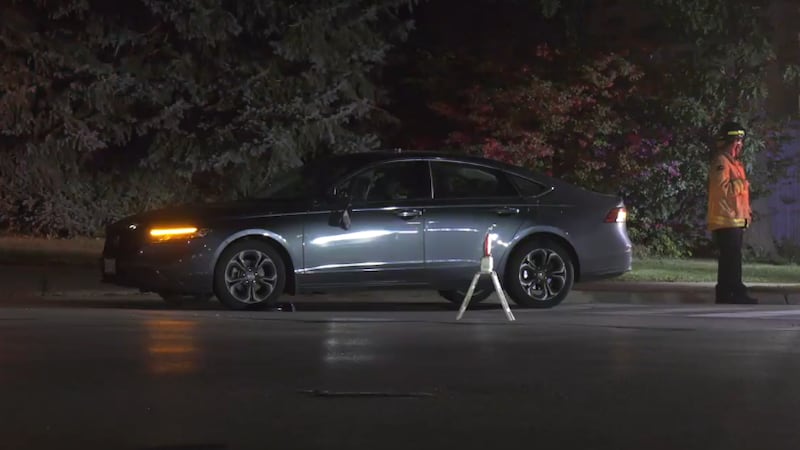
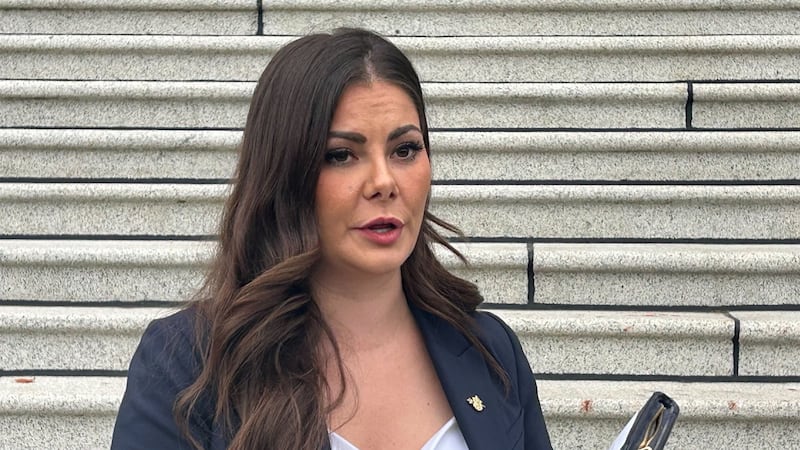
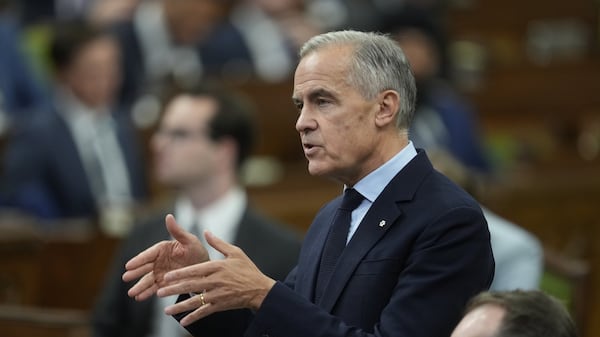
A Vancouver councillor’s motion directing the federal government to create clear, enforceable limits on headlight brightness passed unanimously this week, which is a rare occurrence in the current city council. “It’s difficult to get a lot of things through in this council that’s just kind of ideologically divided. I thought this might be a good one we could all sort of unite behind, and I was right,” said Coun. Sean Orr, who moved the motion Wednesday night. “Since it passed I’ve had so many people reach out. It just reaches such a broad spectrum of people that are noticing these lights, and don’t like them,” Orr added. He believes the LED headlamps, which are now standard on most new cars, can be a safety hazard. “Not only for other drivers and people with different abilities and different sorts of vision capabilities, but for cyclists, for pedestrians, for bus drivers.” Daniel Stern, a prominent Vancouver-based vehicle lighting expert and editor of Driving Vision News, applauds council’s move. “I think it indicates that political will is developing in regards headlight glare,” said Stern. “Probably one of the biggest issues on how did we get here with these headlights being so bright is that Canada has long handcuffed itself to the U.S. regulations on how cars are built and equipped, and the U.S. regulations don’t care about headlight glare.” Stern says there are two kinds of headlight glare. “Discomfort glare is the kind that makes us go, oh hey, my eyes! And disability glare is the kind which measurably, objectively reduces our ability to see,” he said. “Most of the glare that we experience out on the road Is discomfort glare—and that does not mean it’s not real, it doesn’t mean it’s not serious, and most importantly it doesn’t mean that it’s not a safety concern.” Bruce Haycock, a scientist at the KITE Research Institute in Toronto, has built a driving simulator that includes headlight glare to test how it impacts people behind the wheel. “We’re actually in the middle of doing some upgrades in order to be able to do different colours of lights — the bluer lights, the more orange, older style lights — In order to dedicate some research directly to this, because it is becoming more of a topic of concern,” said Haycock. He is also glad Vancouver council passed a motion asking the feds to look into the issue. “I would agree with the city of Vancouver, and I know it is on the minds of Transport Canada. It’s not like it has never come up. It’s always just a question of priorities and how things move through the system,” said Haycock. “I think many people would say that more needs to be done on this. It is a problem, and more can be done.” Orr recognizes there is only so much council can do. “It’s not technically city jurisdiction, but there are a lot of things that cities can do to advocate for things that are outside of their jurisdiction,” Orr said. He’s hoping his bright idea will get some traction with the federal government.