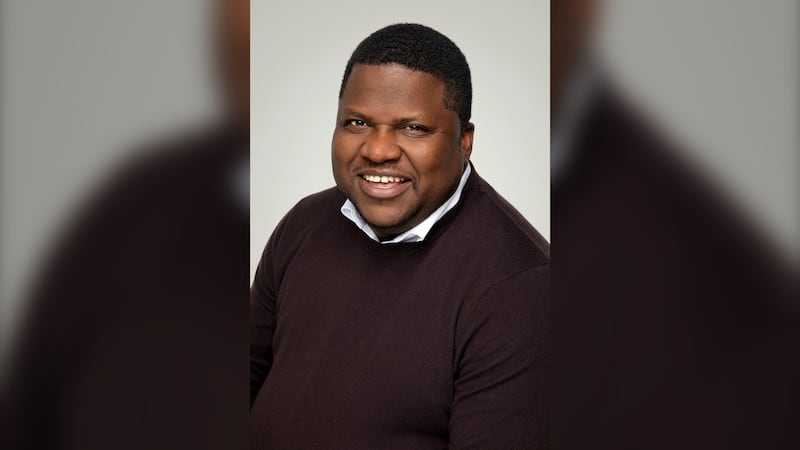
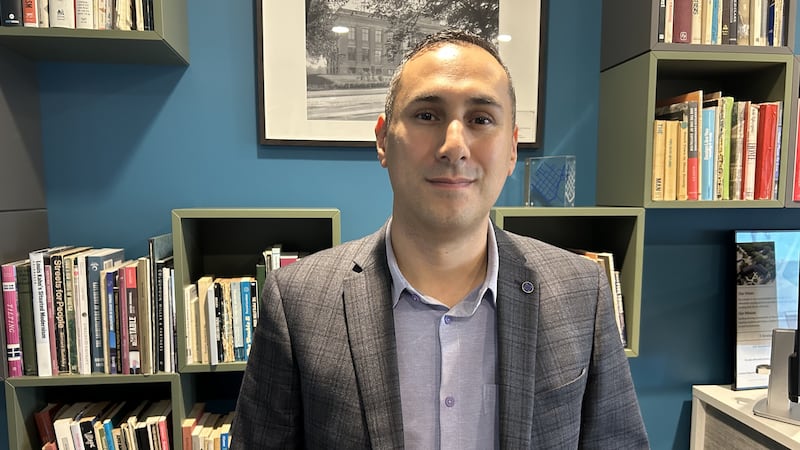
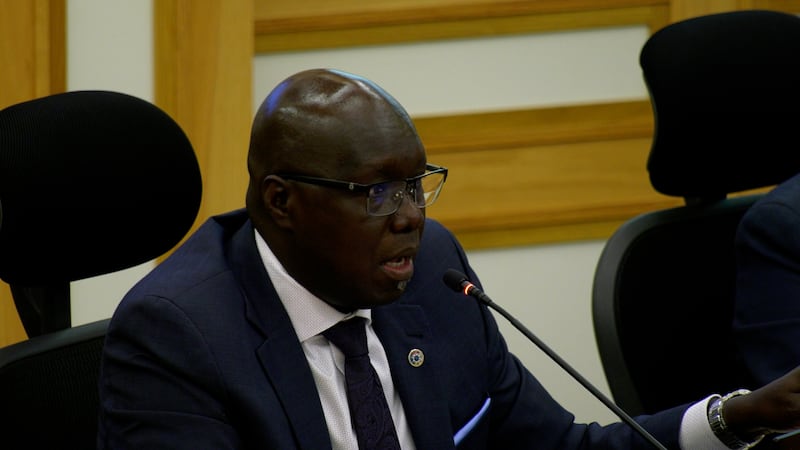
British Columbia is weighing in after Canada scrapped retaliatory tariffs against the United States. On Friday, B.C. Minister of Jobs and Economic Growth Ravi Kahlon told CTV News that he was surprised by Ottawa’s announcement on Friday and remains uncertain of what the future may bring. He explained, using the hockey analogy of either collecting the puck and regrouping or pulling the goalie. “We’ve been clear to the prime minister on this. We can worry about the U.S. because every day it changes, or we can spend the time and energy investing in British Columbia, investing in Canada,” said Kahlon. He says that efforts to strengthen the local economy through interprovincial trade will continue as they can no longer rely on their southern neighbour. Kahlon suggests that building local infrastructure projects and more federal investment in the province will provide dividends in the future as Ottawa attempts to negotiate deals with the White House. “There’s no playbook for how to negotiate with U.S. government. When you have a president that wakes up every morning with a different idea, and by the end of the day, it could be something completely different,” said Kahlon. “It’s uncharted territory.” Prime Minister Mark Carney’s announcement on Friday also came with an assurance that countertariffs on U.S. steel, aluminum and autos are not changing. He noted that the government’s “focus is squarely on these strategic sectors” going forward, and that U.S. President Donald Trump confirmed that scrapping some countermeasures will kickstart negotiations on a new trade and security deal. Carney mentioned to reporters that the Canadian government is essentially matching the U.S., since the Americans have no tariffs on exempt goods under the Canada-United-States-Mexico Free Trade Agreement. University of B.C. economic professor, Tom Davidoff, believes this could be a conciliatory step to get something back from the United States before the CUSMA renegotiations next year. “Having an amicable relationship may be helpful in that way,” said Davidoff. Davidoff continued on to say that the timing of the scrapped tariffs comes as Canada may have been disappointed that the rest of the world, particularly the European Union, were unwilling to impose retaliatory tariffs.