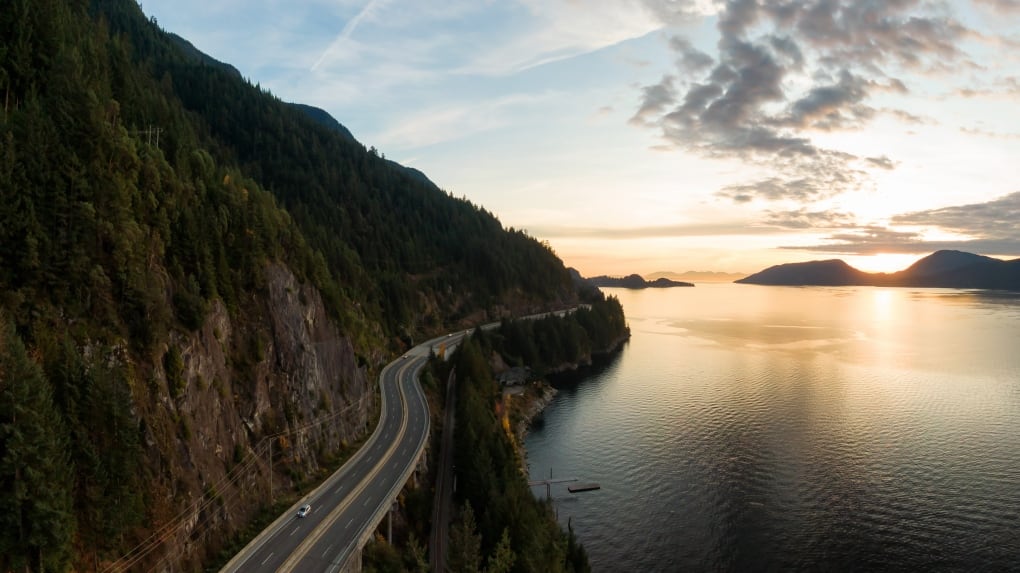
Almost 15 hectares of land in the B.C. village of Lions Bay is now registered in a nationwide database of protected and conserved areas. The Canadian Protected and Conserved Areas Database, which comprises information on the country’s collective conservation efforts and tracks its progress towards Canada’s target of protecting 30 per cent of its land and water by 2030, registered the areas in collaboration with the Village of Lions bay and non-profit conservation organization BC Nature. The protected natural areas now registered span 14.6 hectares of temperate forest within the small municipality, located between Vancouver and Squamish on the Howe Sound shore. The areas, which provide “vital” habitat for the region’s wildlife, are located on Village-owned lands within the municipal watershed located at the base of the North Shore mountains, the village said in a statement, Monday. “Respecting nature and the environment have been a core value of our community since it began, and this submission strongly reflects who we are and our ongoing commitment to protecting habitat and biodiversity,” said Village of Lions Bay coun. Neville Abbott. “We’re very pleased to be able to support the national 30X30 goal by adding Lions Bay land to the CPCAD,” said Abbott, adding how the inclusion supports ongoing local and regional initiatives to “preserve sensitive ecosystems and wildlife corridors.” In December 2022, Canada, along with 195 other countries, committed to preserving 30 per cent of its biodiversity when it signed the Kunming-Montreal Global Biodiversity Framework. The movement gained momentum in the province after BC Nature initiated its Municipal Protected Areas Project, which helps local governments identify and register the land within their boundaries that meets the federal criteria for protected areas. “Canada’s Municipal Protected Areas Program is shining a spotlight on the significant part that municipal governments can play in reaching our national biodiversity goals across the country,” said BC Nature’s executive director Stewart Guy. “Nature and people are learning to co-exist and municipalities like Lions Bay Village are a great example for other communities to follow.”