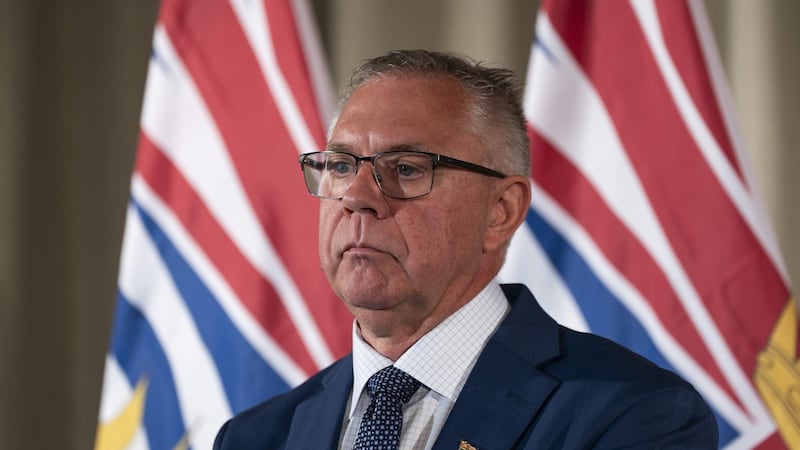
The latest cost projection for hosting part of the 2026 FIFA World Cup in Vancouver includes $242 million for safety and security—but just how that money is being spent remains a mystery. The figure has raised some eyebrows over recent days, particularly in comparison to Toronto’s estimated safety and security budget of approximately $94 million, which includes roughly $66 million for the Toronto Police Service. Vancouver is hosting seven World Cup games, while Toronto is hosting six. No breakdown until after event The $242 million estimate was provided by B.C. officials Friday as part of a larger update on hosting costs, which are being borne by the municipal, provincial and federal governments. B.C.’s Public Safety Ministry declined to provide CTV News with a breakdown of organizations receiving safety and security funding, or any more information on how it’s being spent—except that it covers police, firefighters, paramedics and other emergency services. “Final security costs, including the provincial contribution, will made available after the games,” a spokesperson said in an email. The ministry directed further questions about costs to the Vancouver Police Department, which is leading the safety and security planning for the city’s games. A police spokesperson directed CTV News back to the province. Moshe Lander, a sports economist with Concordia University, suggested the lack of transparency may have been imposed by FIFA, which he called an “inherently corrupt” organization. “That’s what happens when you get into bed with FIFA,” Lander said. “FIFA says listen, we own you, you signed an agreement, you didn’t read the small print.” What we know about spending Back in April, the federal government announced it was contributing $145 million to boost security for Canada’s two host cities—with $100 million being spent in Vancouver and the rest in Toronto. Federal Minister of Public Safety Gary Anandasangaree said Vancouver is getting a larger portion of the funding because its costs are higher, partly because it’s hosting a seventh game, as well as the FIFA Congress. In addition, Anandasangaree revealed some 800 police officers will be coming into Vancouver from outside jurisdictions to help with policing, and will be incurring travel and accommodation costs. The same won’t be necessary in Toronto, he said. “Toronto is in many ways blessed because we have a number of police jurisdictions which are within a relatively short drive, so the additional cost involved in Vancouver are not the same,” the minister added. Comparisons with other jurisdictions tricky Down in Seattle, which is also hosting six World Cup matches, information on total costs related to safety and security is difficult to nail down. The state government has not provided an overview of spending, and when it comes to funding for the Seattle Police Department, the city has only referenced US$8.6 million—or around C$12 million—which includes overtime. That’s being covered by state and federal grants. Earlier this year, the U.S. Federal Emergency Management Agency announced a total of US$625 million in security funding to be distributed across the country’s 11 host cities, though it’s unclear exactly how it is being divvied up. B.C.’s Public Safety Ministry rejected comparisons to other jurisdictions, including Toronto and Seattle, as unfair because each host city is “different in terms of operational planning and costs, and the baseline from which it started.” Venue security like ‘the Green Zone’ Jobs Minister Ravi Kahlon has also boasted the province has been more transparent than most governments when it comes to sharing cost estimates related to the event. “There’s no jurisdiction that’s hosting a World Cup right now that is releasing the detailed information that is being released by the province of British Columbia,” Kahlon said last week. While the public awaits more specific details, Lander speculated the logistics of securing Vancouver’s host venue BC Place could be more complicated than those of Toronto’s BMO Field. He pointed to the large fenced-off area surrounding BC Place, which he compared to “trying to get into the Green Zone in Baghdad,” referencing the highly secure area established in the Iraq capital after the U.S. invasion in 2003. “Given the way BC Place is designed within that downtown, it’s extremely difficult to try and make sure that everything is safe,” Lander said. With files from CTV News Vancouver’s Ben Miljure and CP24’s Joshua Freeman