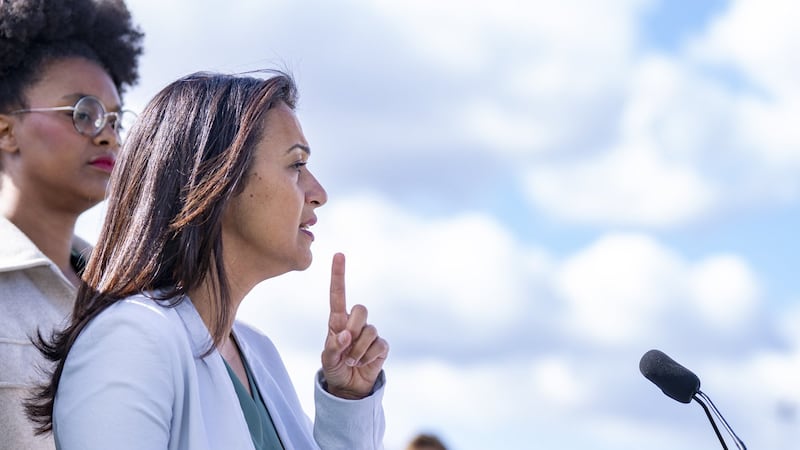
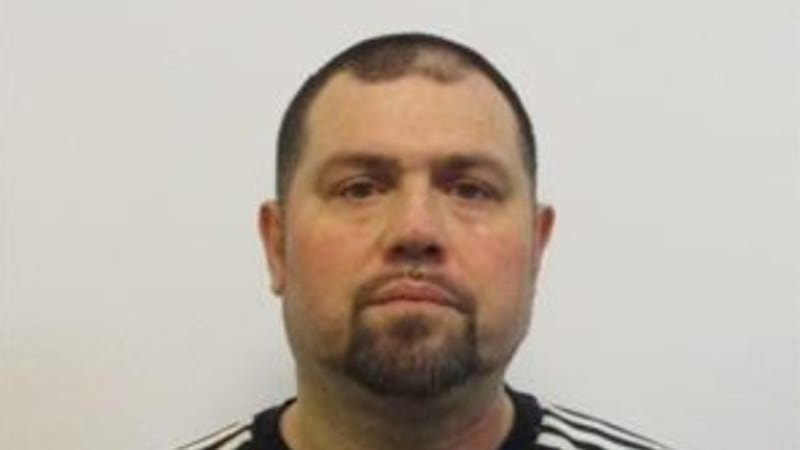
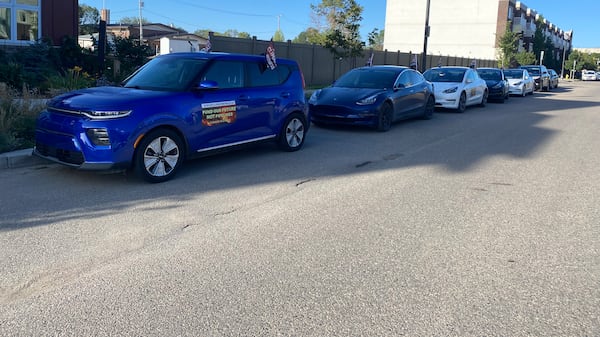
A group of Haida Gwaii, B.C., residents have been shunned and their homes destroyed — a reaction fueled by grief and frustration over the toxic drug crisis. The events on the remote archipelago follow the death of Luke Pearson, who was killed last week after he was struck by a vehicle in Skidegate. Tyson Young, 32, is charged with second-degree murder, RCMP said. “The violence that happened on Haida Gwaii really broke the camel’s back, so to speak, and has forced a lot of First Nations people to try and address and try and understand the drug crisis,” said Harold Braker, a member of the First Nations Summit political executive. The homes destroyed earlier this week were “believed to be occupied by people allegedly selling drugs or dealing in drugs,” Braker said. Social media posts indicate the residences were occupied by Young and members of his family. Before the homes were taken down by an excavator, a video shared on Facebook shows dozens of community members hurling rocks through the windows. “What happened in Haida Gwaii was extraordinary. It was something we’ve never seen before,” Braker said. After leaving Haida Gwaii, the RCMP said Young’s family was met by protesters in multiple locations. They tried to prevent the group from stopping for fuel and food, police said. Ellis Ross, the newly elected Conservative MP for Skeena-Bulkley Valley, said many northern B.C. communities are united in their intolerance for the drug trade. “What really stood out to me was all the First Nations along Highway 16 standing in solidarity,” Ross said in an interview with CTV News Vancouver Island. “We know the frustration around some of the activities going on in our communities — Native and non-Native alike.” In recent years, many communities have declared states of emergency due to overdose deaths. A ‘legal quagmire’ Ross and Baker said it’s not uncommon for B.C. First Nations to banish people from their reserves for trafficking drugs. “I don’t get a notice of every single one, but I’m aware personally of three within the past year,” Braker said. University of Victoria law professor David Milward said the community response to Pearson’s death is an assertion of Indigenous sovereignty. “This also comes at a time when many Indigenous communities, hand in hand, are wanting to assert their Indigenous legal orders, sometimes even in objection to Canadian legal jurisdiction,” said Milward, who specializes in Indigenous justice. It’s possible people could be prosecuted for demolishing the homes and for following Young’s family during their travels, Milward said. In a statement, the RCMP said the protesters’ behaviour “bordered on criminal harassment,” but charges haven’t been laid. Milward described the situation as a “legal quagmire.” “If you ask people … who work as part of the Canadian justice system, they’re going to say what the Haida Gwaii are doing is illegal,” he said. “(What) members of the Haida Gwaii community are saying is, essentially, ‘We don’t care. We’re asserting our ancestral laws — the laws that have governed our community since time immemorial — and looking out for community safety according to our laws.’” The Council of the Haida Nation shared a statement on Facebook, saying the focus must be on healing and supporting the families who are hurting. In an email to CTV News, the council said it will release more information next week. Call for expanded drug treatment On Friday, the First Nations Leadership Council (FNLC) penned a letter to the Skidegate Band Council, offering to arrange meetings with officials from the provincial government. “We stand with Nations that want to ensure the safety and security of their members in the face of the drug crisis, violence in communities, and associated traumas,” the letter reads. “The FNLC supports the need for resources in rural and remote First Nations communities to deal with substance abuse issues, mental health issues, and appropriate treatment options.” The health ministry said it provides support to Indigenous people through a partnership with the federal government and the First Nations Health Council. Part of their agreement includes a commitment to renovate and build more Indigenous-run treatment centres, the ministry said. “We know more work needs to be done, especially in rural and remote communities,” a ministry spokesperson said in an emailed statement. “To help people access the care they need, we’re providing readily accessible virtual care that is specific to rural, remote and Indigenous communities.” Indigenous Relations Minister Christine Boyle said she has been in contact with Council of Haida Nation leadership to ensure support services are in place as people mourn. “We will continue to work in partnership with Indigenous people to transform how the health system better serves B.C.’s First Nations communities by addressing critical gaps in the provision of culturally safe, inclusive health care,” Boyle said in a statement.