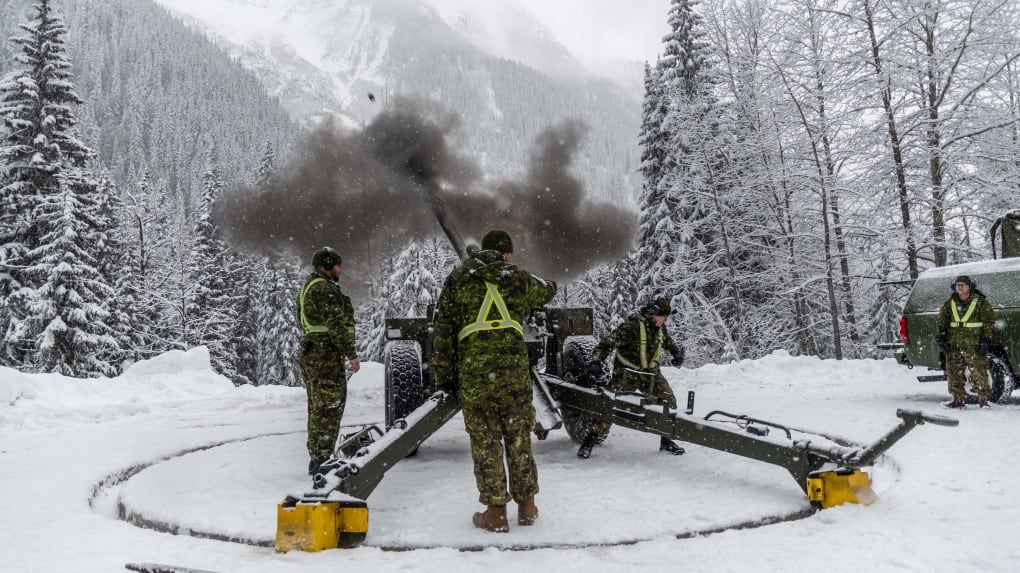
The Canadian military will no longer conduct avalanche control in the mountain passes of Western Canada, ending its longest-running operation of more than 60 years. Parks Canada has relied on military gunners to fire artillery into the mountainsides along the Trans-Canada Highway since 1961. On Thursday, the Department of National Defence confirmed the agreement with the agency will not be renewed next year. Spokesperson Andrée-Anne Poulin tells CTV News the decision to shut down Operation Palaci when the agreement expires in August 2027 was made “due to evolving defence modernization priorities and operational imperatives, and the planned divestment of the legacy artillery systems currently used in support of Parks Canada.” The operation—considered the world’s largest mobile avalanche-control program—has deployed dozens of soldiers each winter to the area around Revelstoke, B.C. From 18 different firing positions, crews have worked to keep both highway and rail corridors clear of potentially deadly slides. The 105-millimetre howitzers can fire effectively at night and in all weather conditions, hitting targets up to five kilometres away. Rogers Pass, where much of the artillery fire has been concentrated, is widely regarded as one of the most avalanche-prone travel corridors in North America. In quieter seasons, gunners fire between 300 and 500 high-explosive shells along the 43-kilometre corridor. In more active years, that number can exceed 1,000 rounds. Poulin said the Canadian Armed Forces offered last year to assist Parks Canada with transition planning before the current agreement expires. “Since then, Parks Canada and the CAF have been engaged in discussions regarding the future management of avalanche control in Rogers Pass, so that transportation safety and operational responsibilities are addressed during the transition,” she said. At more than 1,300 metres above sea level, Rogers Pass averages about 14 metres of snowfall per year and contains more than 130 active avalanche paths crisscrossing the busy highway. In the winter months, the federal government estimates up to 4,000 vehicles and 40 trains travel through the pass daily. Approximately 2,000 avalanches are recorded along the Trans-Canada corridor through Rogers Pass each year, with about 120 of those slides affecting the highway, according to Parks Canada.