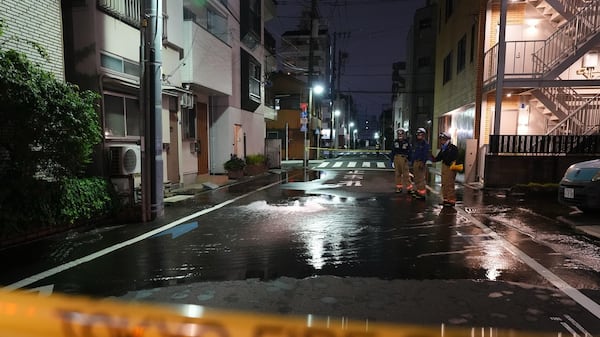
A changing climate means British Columbia will likely have to deal with a lot more rising water in the years ahead. A new study from researchers at the University of British Columbia’s Forest Sciences Centre suggests the province and regional governments may be focusing on the wrong areas when it comes to preventing catastrophic flooding. The study found the current approach to preventing flooding, including building higher dikes and bigger culverts, focuses too heavily on major flood events, and not enough on localized flooding. It says the latter is happening much more frequently – and the costs are adding up. “When it comes to flood management strategy that has guided the British Columbia since the 60s and 70s, in my opinion, it has failed miserably because its magnitude-centric,” said Dr. Younes Alila, a forestry professor and co-author of the study. “We need to pay as much attention, if not more, to the frequency. These floods are becoming excessively frequent.” The study suggests governments need to look at the upstream impacts of things like forestry, mining and urbanization in their flood mitigation planning. It says maintaining tree cover, and utilizing natural lakes and wetlands, could prevent rising water from reaching vulnerable infrastructure and homes. “This can maybe be a good opportunity for us to look at our flood management strategies and really try to incorporate some of these natural characteristics into how we manage floods,” Kaluarachchi said about her hopes for the study.