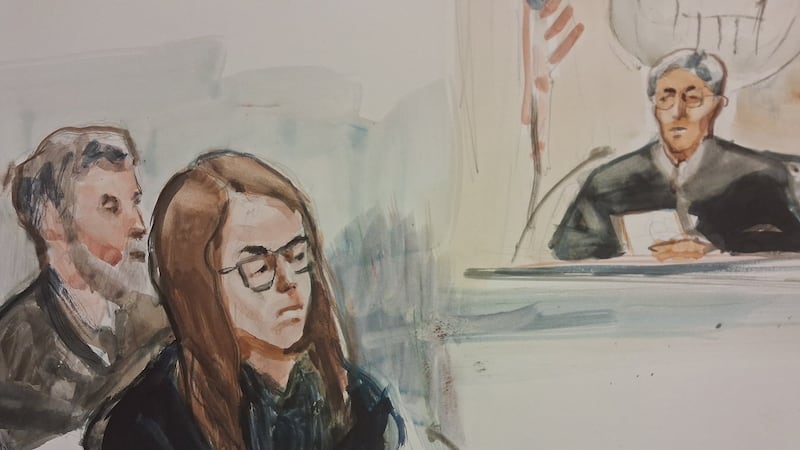
A dispute between a transport company and a Tim Hortons franchisee has been settled by a B.C. tribunal, which found the chain did not have to pay for an estimated three metric tons of spoiled food. Clark Reefer Lines Ltd. filed a claim seeking $4,164.38 for payment of four invoices from 2022. The TDL Group Corp., which operates two Vancouver Island Tim Hortons locations, responded by saying it was not liable for the payment because the company “delivered spoiled goods,” according to the decision. The tribunal heard the delivery was scheduled for Dec. 22, 2022, but did not arrive until one week later. “Around this time there was a snowstorm. Clark says that due to the snowstorm and the Christmas holiday season, it was unable to deliver the shipments,” tribunal member David Jiang wrote. Staff at both Tim Hortons’ locations rejected delivery on arrival, according to the decision. “(The driver) reported that the Victoria restaurant said the delivered jalapeno muffins smelled and the lettuce had wilted. The Langford restaurant also rejected delivery because of spoilage,” Jiang wrote. Finding it was more likely than not the goods were spoiled, the decision explained that the transportation company was liable for loss of or damage to the shipment even if it had done nothing wrong and was not negligent—unless an exception could be proven. One such exception is a so-called ‘Act of God,’ Jiang’s decision said, before offering a legal definition of the term. “An Act of God is typically meant to describe a natural event that cannot be controlled or prevented by humans,” the decision said. “An occurrence which is reasonably foreseeable is not an Act of God. An Act of God cannot be guarded against by a reasonable person exercising reasonable care.” RELATED STORIES: Because the transport company was arguing the snowstorm was an ‘Act of God,’ it had the burden of proving an exception should be made on those grounds. Jiang’s decision said the company did not submit enough evidence to warrant an exception. “Such evidence might include the weather forecast for the relevant dates, a statement from (the driver) about the driving conditions, or a government notice about traffic closures. Clark only describes the snowstorm as ‘strong.’ I am unable to conclude from this that the snowstorm was so severe that it was not reasonably foreseeable and could not be guarded against through reasonable care,” Jian wrote. “Further, Clark also attributes part of the delay to its holiday season schedule, which I find is not an Act of God.” Finding the company had not proven an exception to liability, the tribunal found the Tim Hortons’ franchisee was entitled to a “set off” equal to its loss. The franchisee did not provide an estimate of its loss—leaving Jiang to calculate it himself. In total, he found eight of the 12 pallets transported were more likely than not to have been spoiled. “I estimate that, proportionally, TDL lost 3,036.88 kilograms of goods. In my view the sheer weight of the spoiled goods, being approximately three metric tons, supports TDL’s submission that its loss exceeds the invoice amounts,” Jiang wrote, saying the declared value of the spoiled goods would have exceeded $13,000 which was “well over the cost of all four invoices.” The shipping company’s claim was dismissed.