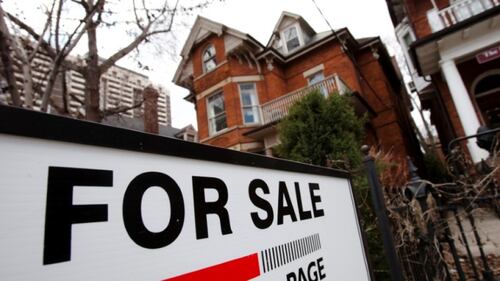
These are the Ontario cities where home prices have fallen the most — and what’s next
Ontario’s housing market is splitting in two this fall, with some regions bracing for further price declines while others are seeing surprising gains, according to a new report from REMAX.
Published:
Image 0 of 15
Ontario’s housing market is splitting in two this fall, with some regions bracing for further price declines while others are seeing surprising gains, according to a new report from REMAX.
The report, based on data from REMAX brokers and agents, suggests the Canadian housing market “may be turning a new leaf this fall.” Improved affordability and rising inventory are expected to pull some buyers back into the market.
However officials note that the recovery is still uneven. "REMAX brokers and agents report that first-timers have taken a back seat in today’s market, with families, new Canadians and retirees driving the bulk of activity in 2025," the report highlighted. It also emphasized that buyers and sellers are navigating a fragile balance.
“Canada’s real estate landscape paints a complex picture of resilience and caution, influenced by regional nuances and continued economic uncertainty,” said Don Kottick, President of REMAX Canada. “From seller-driven markets across much of Atlantic Canada and the Prairies, to buyer-friendly conditions in Ontario and BC, the nation’s housing market reflects a delicate balance.”
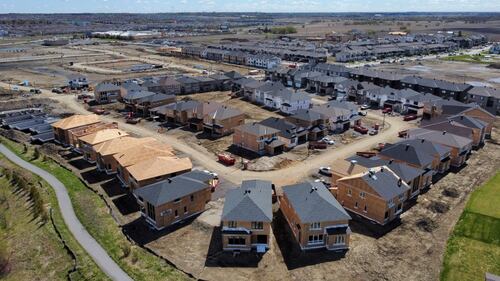
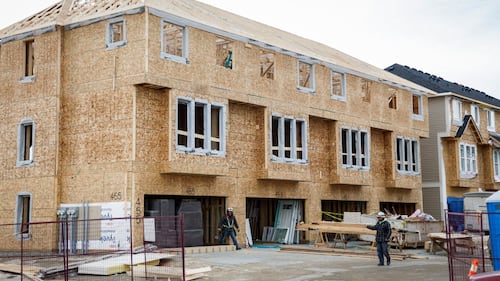
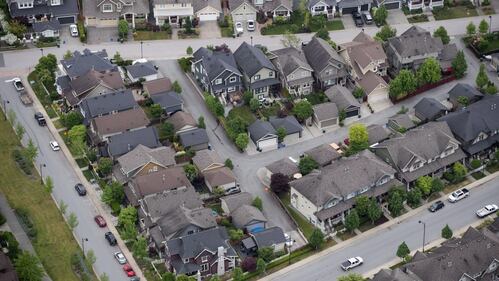
Who's leading the charts? Across Ontario, price trends vary sharply. Brampton has seen the steepest drop so far this year, with average home prices down 10 per cent year-over-year to $909,448. REMAX experts expect the average to slide further, ending the year at $891,259.
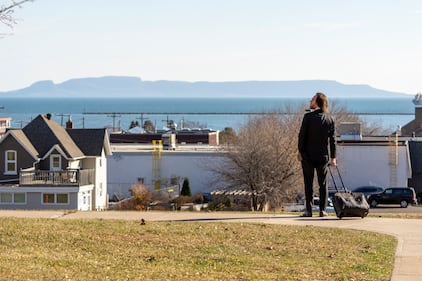
On the flipside, Thunder Bay is up 10 per cent year-over-year, with an average price of $384,354. REMAX forecasts it will climb to $418,946 by year-end, cementing its status as a seller’s market.
“A lot of people that live in Brampton are newcomers and first-time buyers… they rely on the mortgages… and with it being elevated, it becomes difficult for them to burden the carrying costs. This leads to reduced demand,” said Toronto agent Michael Devanathan. “Also, investors who hold multiple properties in such areas such as Brampton, they’re feeling the squeeze because of the higher financing costs.”
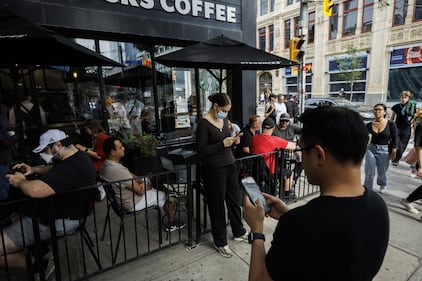
Who's buying and who's waiting? In 2024, first-time buyers were driving sales in most Canadian markets, the report noted. But this year, they’ve taken a step back. REMAX officials report that families, new Canadians, and retirees are now behind most activity. “These insights paint a picture of first-time buyers who are older, more financially prepared in some cases, but still navigating significant headwinds and waiting for the market to meet them halfway,” said Kottick.
Survey data shows the pressure points clearly. Seven per cent of Canadians say they intend to buy their first home in the next 12 months, while 28 per cent of those say they’ve saved at least 20 per cent for a down payment. Meanwhile, 68 per cent of Canadians say a five- to 10-per-cent drop in prices would make a meaningful difference in their ability to buy, while 64 per cent say they would feel ready if interest rates fell by half a point to a full percentage point.
“The good news is inventory levels are rising in most regions, giving buyers more choice, negotiating leverage and more time to make purchasing decisions,” said Kottick.
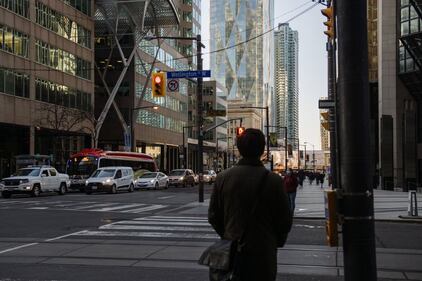
Regional winners and losers: Among the sharpest declines in Ontario this year have been in Grand Bend, down 5.2 per cent year-over-year to $864,996 with prices expected to drop further to $821,746. Durham Region fell 3.7 per cent to $900,089, Toronto slipped 3.5 per cent to $1,088,166, and York Region is down six per cent to $1,243,315.
“The thing about York Region… it relies a lot of detached homes and luxury properties like Markham, Richmond Hill, Vaughn, Aurora, King City… These are less affordable,” said Devanathan.
In contrast, Sudbury is up 7.1 per cent to $540,214 and expected to climb to $567,225. Hamilton-Burlington is holding steady but expected to rise four per cent to $903,463, while Ottawa is up two per cent to $695,209 and projected to also gain modestly.
“Thunder Bay market is more resilient… the people that buy there are end users, not speculators,” said Devanathan. “Thunder Bay is less tied to the Toronto economy so they’re able to do well in those areas.”
Mississauga, meanwhile, has softened by 4.5 per cent to $995,599 but could recover to just over $1 million by year’s end. “Mississauga, there’s a larger mix of condos, townhouses and detached homes,” said Devanathan. “The condo sector adds more affordability options in Mississauga, and that helps cushion the decline in prices.”