Ontario hit hardest by invasive species in Canada. Here's what experts say you need to know
Ontario faces the highest number of invasive species in Canada, with experts warning the growing threats are not only reshaping ecosystems but also carrying billions in economic damage each year.
Published:
Image 0 of 16
Ontario faces the highest number of invasive species in Canada, with experts warning the growing threats are not only reshaping ecosystems but also carrying billions in economic damage each year.
In an email to CTV News Toronto, officials from the Invasive Species Centre explain that invasive species are the second greatest threat to biodiversity globally. In Ontario, they cause an estimated $3.6 billion in annual damage to forestry, fisheries, agriculture, infrastructure, tourism, and recreation — that's an impact greater than both storms and earthquakes.
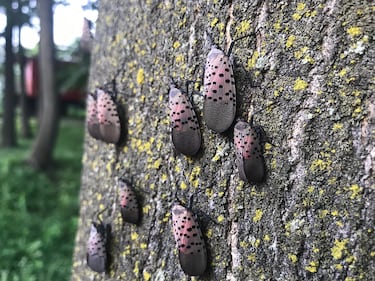
Among the most crucial concerns, experts warn that pressure points across the province, from the Niagara wine region to the Great Lakes, could face devastating losses if new invaders like these spotted lanternflies become established (Invasive Species Centre photo).
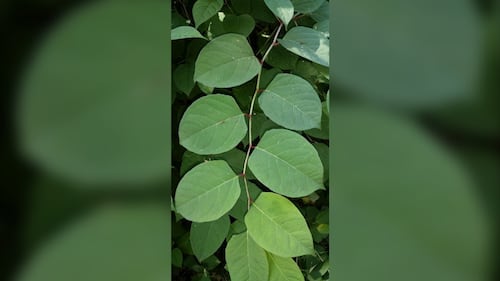
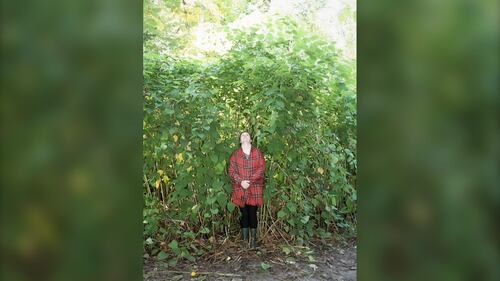
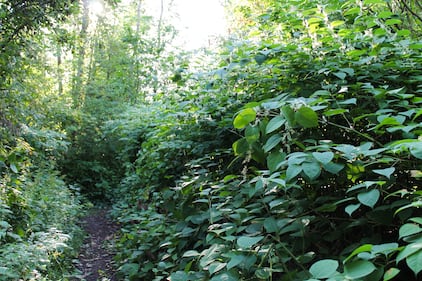
Ontario’s mounting invasive species threat: “Japanese knotweed is an aggressive, bamboo-like invasive plant often described as ‘having the biodiversity value of concrete,’” said Monica Liedtke, Terrestrial Invasive Plant Coordinator with the Invasive Species Centre (Invasive Species Centre photo).
She said knotweed displaces native vegetation, alters soil chemistry, and spreads quickly through root fragments strong enough to break through building foundations, roads, and driveways. Along waterways, it increases erosion and disrupts aquatic habitats (Invasive Species Centre photo).
“Due to its resilience, management is notoriously difficult, often requiring repeated chemical treatment and long-term monitoring, placing a heavy economic and ecological burden on communities,” Liedtke said. (Invasive Species Centre photo).
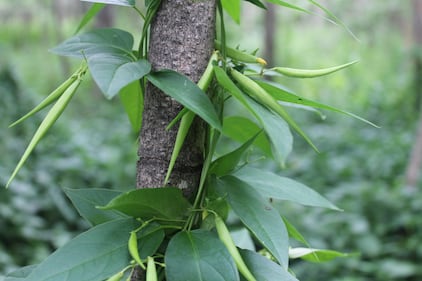
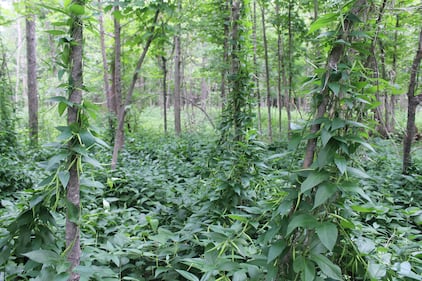
Species putting Ontario on alert: Another top concern is dog strangling vine, which Liedtke described as an invasive perennial that “forms dense, tangled mats, creating a monoculture that suppresses native plant communities by limiting access to sunlight, nutrients, and moisture.” (Invasive Species Centre photo).
“Its aggressive growth prevents the germination and survival of native vegetation, including tree seedlings which are critical for forest regeneration,” she said, adding that its spread carries economic costs for agriculture, forestry, and land management. (Invasive Species Centre photo).
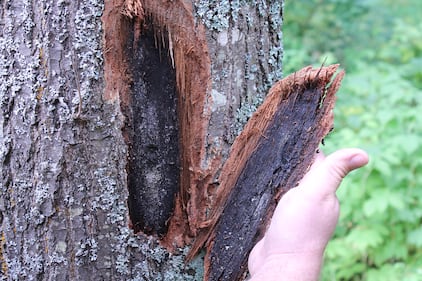
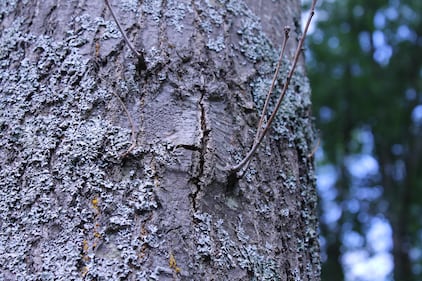
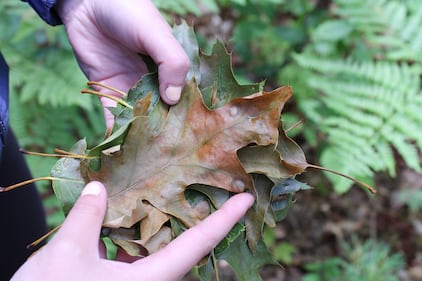
Tree diseases are also advancing. “Oak wilt is a vascular disease of oak trees caused by a non-native fungus Bretziella fagacearum,” said Madison Sturba, Terrestrial Invasive Species Team Lead. (Invasive Species Centre photo).
“Red oaks are particularly vulnerable to oak wilt and can die in a single season, sometimes as early as a few weeks,” she said. First detected in Canada in 2023, the disease could cost upwards of $420 million if it spreads through street trees. (Invasive Species Centre photo).
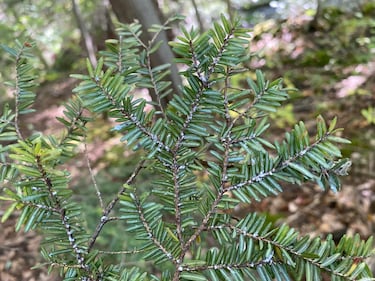
Sturba also warned about hemlock woolly adelgid (HWA), an insect confirmed in the GTA in 2025 after earlier detections in Niagara, Hamilton, and Grafton. “Eastern hemlocks are foundation species that play an important role in ecosystem health, making HWA a major ecological threat,” she said. “The loss of these trees could have impacts to forest health, wildlife habitat, cultural values, and ecosystem services.” (Invasive Species Centre photo).
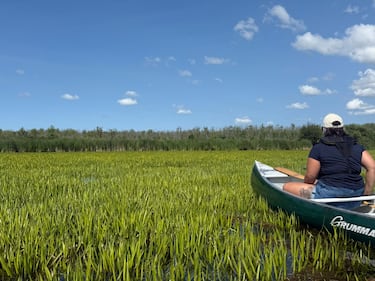
Ontario’s rivers and lakes are not immune: “Water soldier…forms dense mats of floating and submerged vegetation which can pose environmental impacts by outcompeting native vegetation and impacting native fish habitat,” said Katie Church, Invasive Aquatic Plant Coordinator. She noted that its spread also affects swimming, fishing, boating, and waterfront properties. (Invasive Species Centre photo).
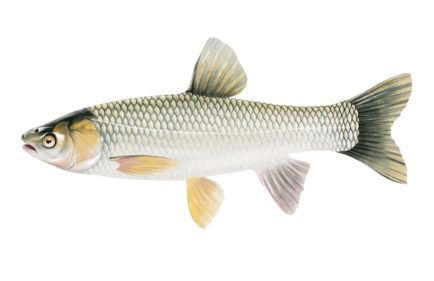
Grass carp, one of four invasive carp species, poses another risk. “Grass carp can eat 40 per cent of their body weight a day in aquatic plants, disrupting native habitats and contributing to water quality issues,” said Sydney Currier, Aquatic Invasive Species Coordinator. Although not yet established in Canadian waters, their arrival would “threaten biodiversity and could impact commercial and recreational fishing industries.” (Invasive Species Centre photo).
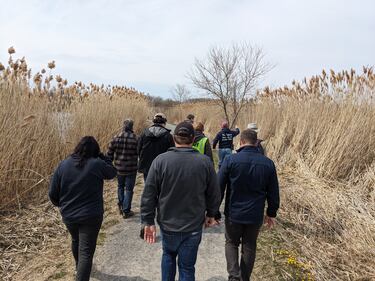
Other threats include invasive Phragmites, described by Derissa Vincentini, Northern Ontario Regional Phragmites Coordinator, as a reed that “outcompetes native species, reduces biodiversity, and alters ecosystems,” while also clogging drainage pipes, threatening property values, and increasing fire risks. (Invasive Species Centre photo).
How Ontario is fighting back: Ontario is one of the few provinces with legislation specific to invasive species. The Invasive Species Act, 2015 gives the province authority to regulate, restrict, and manage harmful species. (Invasive Species Centre photo).
Still, experts stress the need for vigilance. The spotted lanternfly — already seen in parts of in Buffalo, New York just 10 kilometres from Ontario’s border — could devastate the province’s $4-billion wine industry if it takes hold in the Niagara region. (Invasive Species Centre photo).