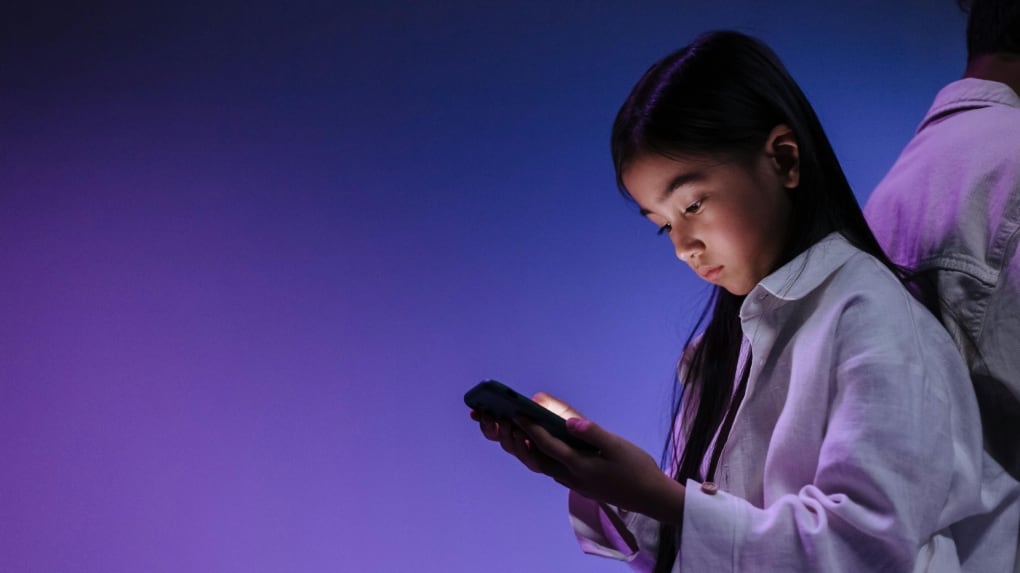
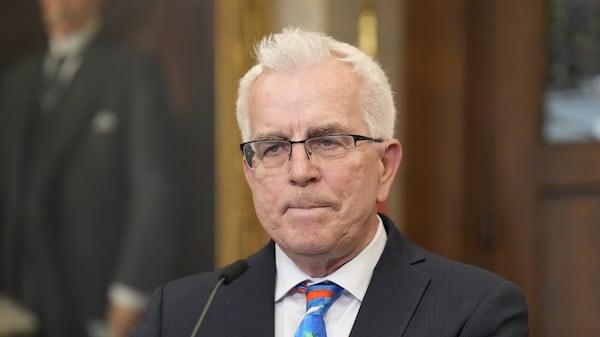
A Canadian parent advocacy group is calling for new regulations that would prevent children under 16 from accessing social media, citing growing concerns over mental health and online safety. Robin Sherk of Unplugged Canada said her advocacy began after realizing the lack of protections online compared with everyday life. “In the real world, you can’t go into an R-rated movie or buy addictive products like cigarettes,” she told CTV’s Your Morning Monday. “But online, there really was nothing there. And that’s what got this started for me.” Unplugged Canada, which was founded in 2024, is calling on Ottawa to ban social media for kids under 16. The parent group is working with federal lawmakers to advance the issue and its current petition is officially sponsored by West Vancouver MP Patrick Weiler. The petition has garnered signatures from P.E.I. to Vancouver and is being submitted to Parliament in the coming days, Sherk said. Sherk said the issue is not only parental oversight but also the design of platforms. “They’re designed to catch and hook your attention... The average teenager spends three hours a day on social media. In Ontario, one in five spends five hours or more a day,” she said. That level of exposure, she added, is linked to anxiety, depression, loneliness and even self-harm - while also cutting into sleep, exercise and other offline activities. Rising concerns across Canada Research supports those warnings. A 2023 study from Western University found a strong link between excessive social media use and symptoms of anxiety and depression among children. The study analyzed the behaviours of more than 100 Canadian children from six to 12 years old, and found that — on average — children are spending about four hours a day with televisions, smartphones or tablets. That is significantly higher than pre-pandemic levels and hasn’t reduced much since its peak during the first round of COVID-19 lockdowns, according to the study. Other research has highlighted additional harms, with one study suggesting each extra hour spent online equated to a 13 per cent higher likelihood of weight-related bullying. The survey involved more than 12,000 adolescents from ages 10 to 17 in Australia, Canada, Chile, Mexico, the United Kingdom and the United States. Use of Twitter, now called X, and Twitch were associated with the greatest increase in weight-related bullying, with a 69 per cent and 49 per cent increase, respectively, the study showed. Legislation, industry measures In recent years, the federal government has introduced several bills targeting online harms and digital safety, though few have advanced into law. The Online Harms Act (Bill C-63) was introduced earlier this year to address cyberbullying, child exploitation and extremist content. While the bill focused broadly on harmful material, advocates saw it as a potential framework for stronger age-related protections. Another proposal, Bill C-412, the Protection of Minors in the Digital Age Act, would go further by requiring platforms to prioritize children’s well-being through safer design, privacy safeguards and age-appropriate user experiences. While social media companies have introduced parental controls and screen-time reminders, some argue that these are easy to bypass and fail to address deeper issues of addictive design. Sherk believes more restricted alternatives could give families more options. “There’s other ways you can connect. There’s devices that let you text, that let you chat in a very private way that’s not open to strangers reaching out to you, or these other types of addictive content.” Sherk said alternatives include Wisephone - built with no social media, internet browser, or access to other apps - and Pinwheel, a “kid-safe” smartphone for children between the ages of eight and 18, that allows parents to remotely control the device. For now, Unplugged Canada’s call to regulate under-16 social media use marks the latest flashpoint in a debate at the crossroads of technology and parenting.