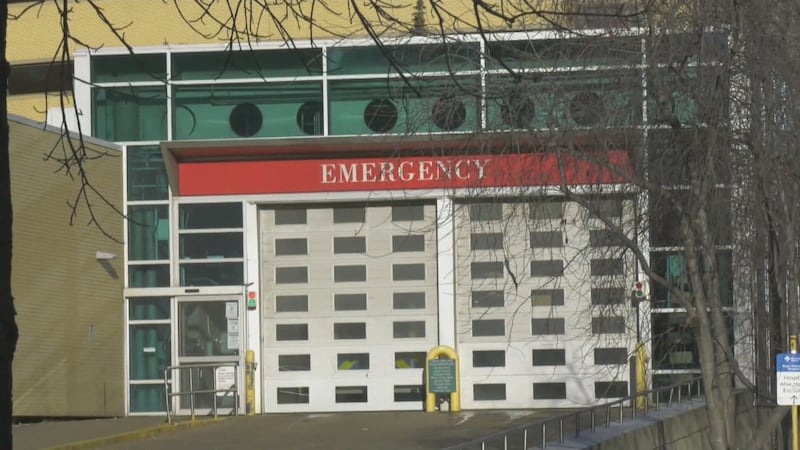
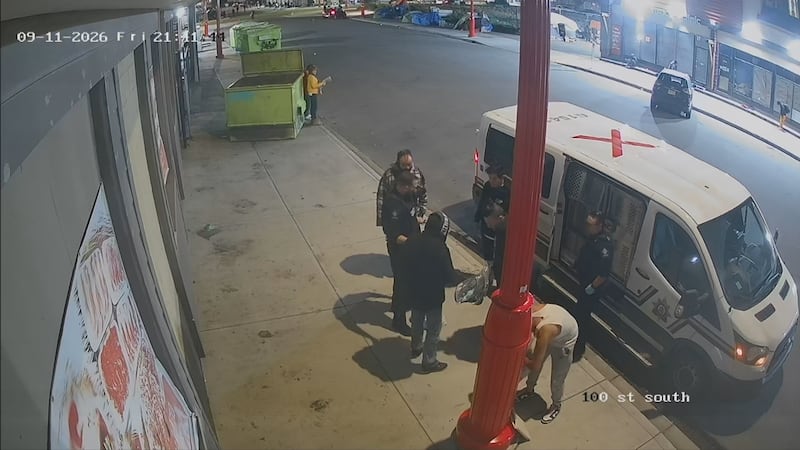
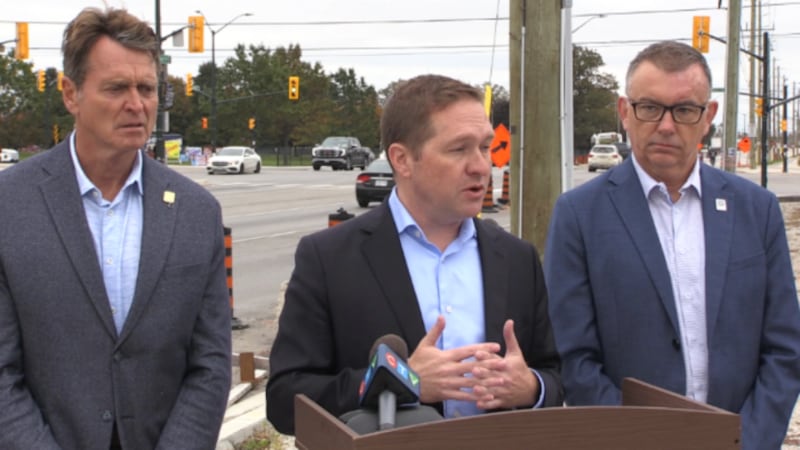
The number of intoxicated people spending nights in Saskatoon police cells has dropped significantly over the last year, according to police Chief Clive Weighill and new statistics from the Saskatoon Action Accord. “The brief detox centre, which was always full, now can run more efficiently because we’re not turning people away,” said Weighill at a media event Tuesday. The Saskatoon Action Accord was started in July 2011 with the goal of directing intoxicated people to the proper care facilities. It involves the Saskatoon Board of Police Commissioners, Saskatoon Tribal Council, Saskatoon Health Region, Federation of Saskatchewan Indian Nations and Saskatoon police. Members of the accord said the number of people in detention due to intoxication who are being directed to police cells was reduced to 50 per cent from 80 per cent in 2013. Weighill thanked the accord as well as last year’s addition of 20 brief detox beds at The Lighthouse, an emergency shelter and supported living centre, for the drop in intoxicated people using police detention cells. He said the decrease allows officers to better police Saskatoon. “It takes time away from our police officers that can be doing other duties, so we're not arresting drunks and taking them to our detention area,” he said. The Lighthouse plans to soon increase the number of detox beds by 18. Traci Muggli, director of mental health and addiction services with the Saskatoon Health Region, said the region’s brief detox unit and The Lighthouse are still turning people away on any given night but noted the situation is greatly improving. Permanent funding for a paramedic at police cells 12 hours per day has significantly improved the care intoxicated people receive, she said. "The purpose is to ensure that people who are in the detention cells who are intoxicated are getting the care that they need and if they're running into any medical concerns that they have a paramedic on site to be able to assess and potentially triage if necessary," Muggli said. The on-site paramedic, as well as the drop in intoxicated people using police cells, has helped with liability issues the police might face, Weighill said. “It has happened in the past where we arrest people and don't know what they've ingested. They go to sleep in our detention area, and they don't wake up, and we have a death in our cells,” said Weighill. Stanley Robillard was arrested for public intoxication after falling backwards and hitting his head outside a Saskatoon bar on July 15, 2010. The next morning, the 46-year-old heavy equipment operator from the Muskoday First Nation was found unresponsive in a police detention cell. An inquest jury who, last year, examined his death recommended there be more beds at the brief detox unit. --- with files from the Canadian Press