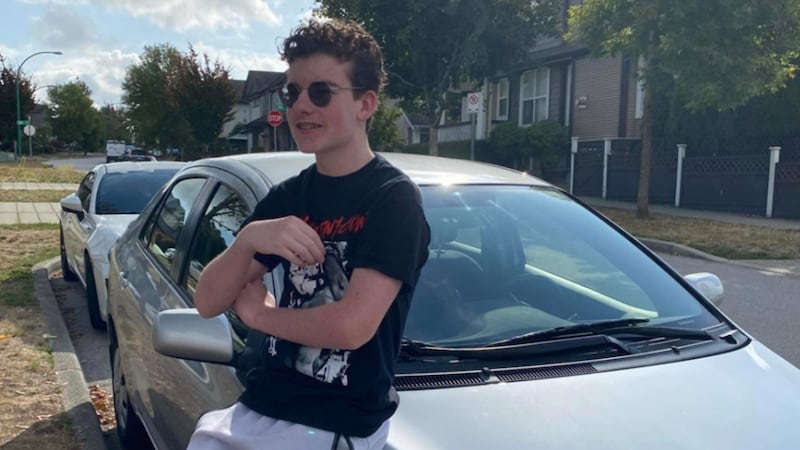
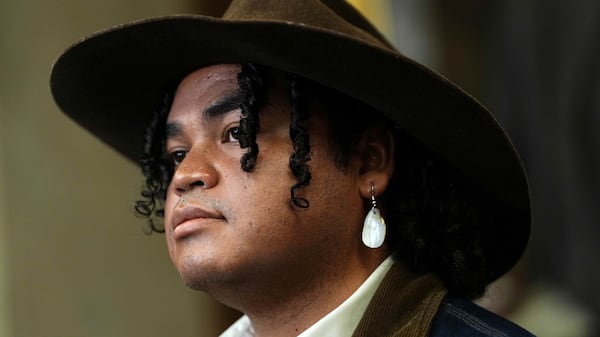
Askiy Iskwew grew up listening to her grandparents speaking Cree. While she never became fluent in the language as a child, it remained an important part of her identity. “And then I went down a really bad road for a little bit. And when I got better, the language started to come back a little bit. And I noticed for a lot of years, that I was running away from my language when I moved to the city. And when I got better, I had to realize that I had to be who I was in my identity,” Askiy Iskwew said. “So it makes me feel whole, learning my language.” After struggling with addiction, Askiy Iskwew returned to her roots as a means of healing. Now, as a panelist at the 2025 First Nations Language Keepers Gathering, she is sharing the profound impact of reconnecting your culture. “I really have a strong belief in revitalizing our Indigenous language...When waking it up, there’s teachings in our language that are ceremonial and important, and we need to carry that on,” Askiy Iskwew said. Askiy Iskwew also goes by her English name, Nova Lee Fox on a variety of social media platforms. She uses social media as a tool to share her life and story, often through a comedic lens. The influencer/ comedian now travels around to communities to share her humour and story. Day two of the gathering saw more than 500 people in attendance. The panel of the day was titled “Learner’s Journey on the Sacred Path to Language,” which highlighted how young people are a driving force in keeping Indigenous languages alive. “They do it different than the old school language revitalization that you might see in an everyday classroom. They’re actually online, inspiring people to pick up the language, whether they be teenagers, whether they be people in their, you know, 30s and 40s or even more seasoned people. It’s very inspirational to hear the youth and how they are inspiring language revitalization,” said Darlene Brander, president of the Saskatchewan Indigenous Cultural Centre. Brander shared how events like their annual conference are crucial to keeping Indigenous languages alive. This year’s conference had a particular focus on the importance of young people learning language, and how that can impact the generations before them. “By being able to engage young people, we ensure that the ancestors voices are heard in the future. And so, by working with, elders, by working with language champions, youth are able to inspire the next generation,” Brander said. Askiy Iskwew shared how beginning to learn any language is an intimidating process. In Canada, many First Nations, Inuit and Métis people were punished for speaking their language in a number of settings, including residential schools. The effects of this forced assimilation were passed down from parents to children, which is often referred to as intergenerational trauma. “It’s that intergenerational cycle of shame...I still get it. I get nervous when I speak Cree, I start saying words wrong. But we have to assure our young people that it’s okay to make a mistake. Because when we make that mistake and we laugh about it, we remember it, and then we don’t make that mistake next,” Askiy Iskwew said. The panelist said young people taking the time to learn language can help ensure ceremonial practices continue for years to come. “They’re the ones that are going to be leading us one day and it scares me sometimes because if they don’t know the language, they’re not going to be able to carry a pipe. Learn your language and learn your prayers in your language, things like that, so it’s very important for them to carry on our teachings,” Askiy Iskwew said.