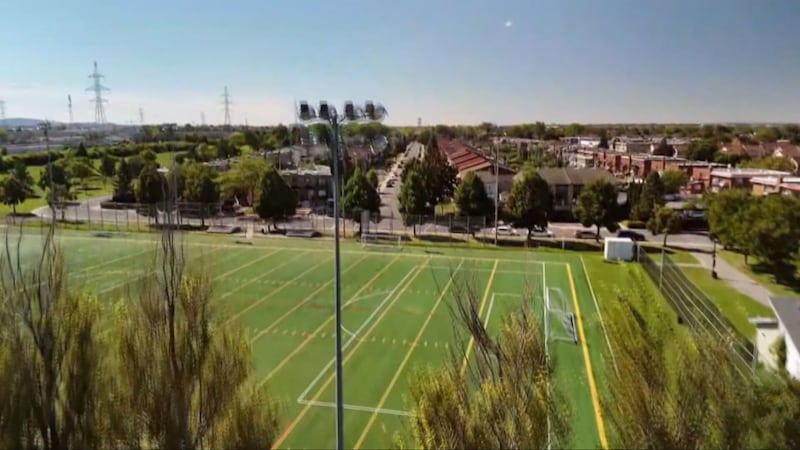
A prayer and groundbreaking ceremony has been held on the future site of Saskatoon’s newest supportive housing unit. Built by the Métis Nation-Saskatchewan in partnership with all three levels of government, the 16-unit, 24 bedroom building will provide a safe space for those removing themselves from abusive situations. “We need to remember that our people, our citizens, are distinct and they’re unique, and we cannot expect the colonial systems to continue to implement programs and services that are not for them,” said Beverly Fullerton, minister of health, mental health and addictions for Métis Nation-Saskatchewan. “With Métis Nation, it’s absolutely amazing that we can actually address the issues and then wrap our citizens around that love and care and respect they deserve.” The facility will provide culturally appropriate services, including childcare, education and round-the-clock support workers. While the project is lead by Saskatchewan’s Métis Nation, the building is open to Métis, Indigenous and non-Indigenous women and children, and members of the 2SLGBTQIA+ community. “There are no borders. There shouldn’t be any borders,” said Glen McCallum, President of Métis Nation-Saskatchewan. “That’s why this place is going to be open for Métis, First Nations, Inuit and non-Indigenous folks that are struggling with domestic violence, and to be able to have a safe place to come to.” The location for the building has a special place in the hearts of those on the organizing team. Located in one of Saskatoon’s newer neighbourhoods, Kensington, Fullerton says the location breaks common assumptions about where we place facilities to care for our community’s most vulnerable people. “When we think about our society, we’ll normally look at, whether it’s homeless, domestic violence victims or addictions. There’s some weird reason why we assume they need to be in the not-so-great areas of our cities, and so they offer them a space and show they’re worthy and they are welcome.” The facility is expected to be operating by fall of 2026. “We still have a lot of work to do behind the scenes, making sure our programs and supports are going to be addressing the issues,” added Fullerton. “Things like this, we don’t always want to rush them, but we know the need is there. So we’ll be doing everything we can to get it open as soon as we can.”