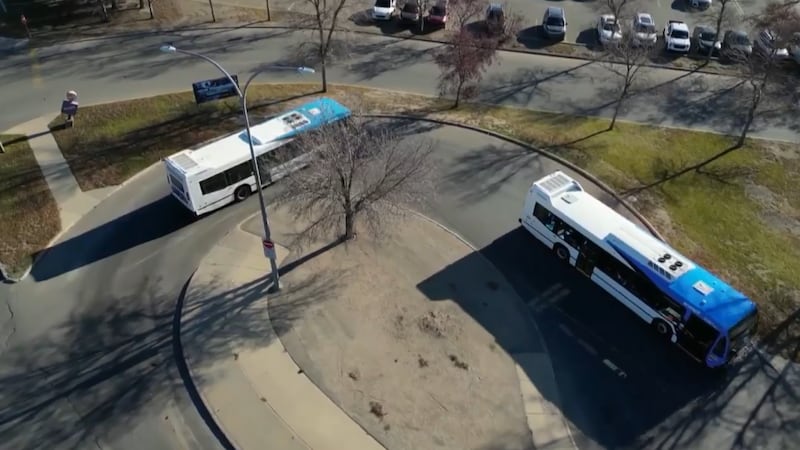
Saskatoon Transit is looking to address ongoing issues on city buses after a sharp drop in ridership and revenue last year. Last year, electronic fares dropped to 7.2 million from 8.5 million in 2024. The calculated figure says ridership dropped to 12.3 million last year from 13.2 million in 2024. Overall fare revenue dropped from $15.1 million in 2024 to $13.9 million last year. Now, the city is taking a long hard look at some of the persistent issues that have troubled the transit service over the last six years. These proposed changes come as the city continues to build towards the launch of Link, the $262 million transit program, in 2028. “We’re very pleased that the City of Saskatoon is working to bring order to the disorder that is too common on our city buses, especially on some routes,” said Robert Clipperton, a member of the advocacy group Bus Riders of Saskatoon. On Tuesday, the city’s transportation committee voted to create a new bylaw that would bring sweeping changes to the transit system, and it all hinges on the Saskatoon Police Service’s new unit of transit police, a group of nine officers being added over the next two years. The new bylaw would give officers the authority to remove people exhibiting “unacceptable behaviour” from buses and bus terminals, while also allowing officers to ban people temporarily or indefinitely for more serious incidents. New rules about fare evasion are also incoming. It’s become a growing problem for Saskatoon Transit dating back to the COVID-19 pandemic. A separate report on fare evasion showed the issue now affects 1.8 per cent of overall ridership. In 2021, the fare evasion rate was slightly above zero. “In all honesty, we didn’t probably need them years ago,” Sgt. Ken Kane, who has been tasked with developing the transit police program, said on Tuesday. “But starting with COVID, when people weren’t having to pay and some of the social [disorder] … that we’re seeing in the downtown is also now creeping into the busses. " Saskatoon Transit suspended fees to ride at the onset of the pandemic, before reversing that decision less than three months later. In the last three years, fare evasion has more than tripled. There were 131,532 incidents last year compared to 41,923 in 2023. Administration says that figure likely represents a conservative estimate. “We anticipate that number is higher because that is what is being reported by the operators through their mobile data terminal,” said Terry Schmidt, the general manager of transportation and construction. “This is at the lower end of the threshold; we know that for sure.” The city estimates that lost revenue to fare evasion is $394,596 last year, from $24,500 in 2021. Drivers have been instructed to avoid confrontation, not to demand fare payment and allow people on who don’t pay. That practice would still continue, but once transit officers are working, they will be out with targeted enforcement and in addition to banning or kicking people off the bus, they could also write a $50 ticket. The transit bylaw also introduced a code of conduct, which has councillors struggling with some of the issues it presented — mainly the grey area officers would operate in, instead of a black and white policy. This included requiring footwear, not swearing and banning spitting, urinating and defecating on buses. Councillors struggled with other components of the bylaw, like allowing leashed pets on a bus, requiring anyone under 16 to be accompanied by an adult, or removing sleeping people from a bus. “Most of the provisions in this bylaw exist elsewhere,” City Solicitor Cindy Yelland said. “There is nothing here that is what I would call novel.” Administration said while these policies would exist, enforcement would be up to the officer — reducing the risk of a 14-year-old and his younger brother being removed, or a nurse dozing off after a night shift being asked to leave. “Having the rules and enforcing them are two different things,” Kane said. “So at least we have the ability to now talk to people, explain to them, educate them, and if need be, then enforce them.” Saskatoon’s annual report says the city counts ridership in two ways: Calculated figures, which “use a historical formula to estimate ridership,” and electronic figures — actual ridership counts collected digitally by buses equipped with working data collection technology. Ultimately, the committee added a motion to only allow service pets and kenneled animals on buses to avoid confrontations between pets. The bylaw will come into effect in September if it gets council approval in July.