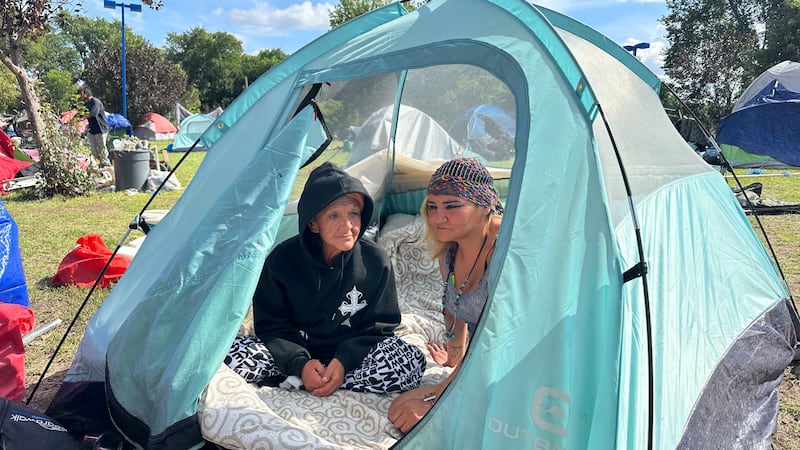
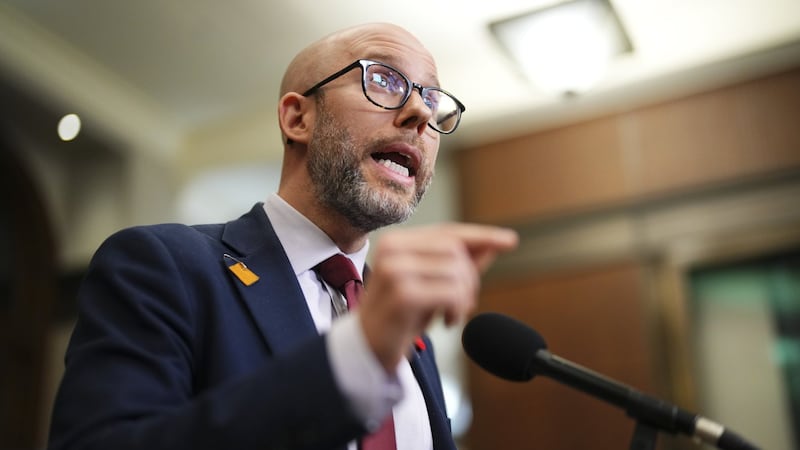
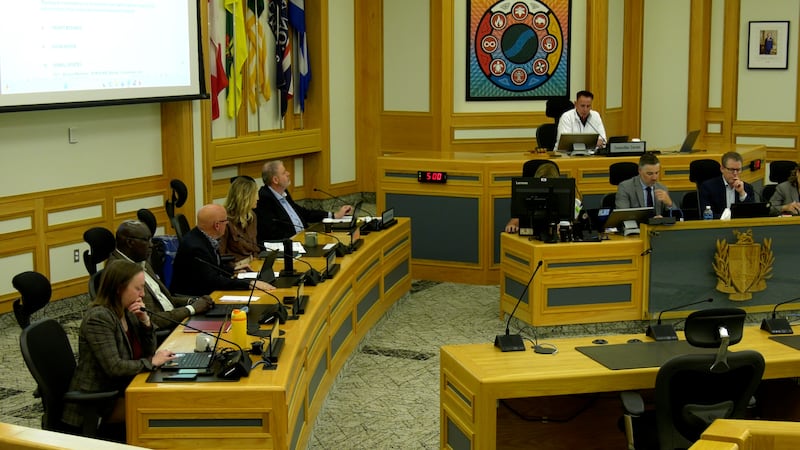
An encampment sheltering around 200 homeless people at a Regina park has been active for the last two months. Now, volunteers are seeking permanent electricity to keep people warm in time for the winter season. For the last 60 days Barbara Kinniewess has been living in a tent at Core Community Park, located in Regina’s Heritage Neighbourhood. Without having a tent, Kinniewess said she would be wandering the streets. “It’s hard. I panhandle too. I do what I do,” she said. “I work on the street sometimes … I struggle. Wherever I can get money I guess." Kinniewess has been homeless for the last few years. From her experience of living at the site, she said she has been treated cruelly for not having a house to go to. “It’s hard for us to have income. We need some money to get some food in this tent that we live in,” she said. “A lady just yelled at me and screamed at me ‘Can you just get out of here. Get lost.’” The encampment has been present in Regina’s Heritage neighbourhood for two months. With over 70 tents occupying the park, volunteers have been supporting nearly 200 people experiencing homelessness by providing food, bathrooms, showers and support. “Nobody wants to be here. They want homes,” said Lori Deets, a community volunteer. “Nobody wants to be on the news. They don’t want you guys here doing all this, but we need to because we need help and that has to come from community. It’s the only way.” However, with the colder months soon approaching, a volunteer group is requesting to have solar panels installed at the park to provide safe and sustainable energy. “For 60 days we’ve been using one of the businesses, over here, outlets. It looks like that time has come and gone,” Shawn Koch told reporters Wednesday afternoon. “What we need from the public, and what we’re hoping from the public, is that we can get some donations and we get some help with sustainable energy. We’re looking to buy some sola,r trees, some solar panels, some cells to help us light up the park.” Koch acknowledged that providing electricity at the park is a temporary solution. However, it is necessary until a permanent home is provided to those who are unhoused. “I feel bad for the Heritage neighbourhood and a lot of the organizations who’ve had to do more than they’ve had to. We know that Heritage and North Central are disproportionate to where more of the services are needed,” he said. “Yes, I do feel bad for the neighbours around here, but these are your neighbours as well. This is community, okay? This is what this looks like and either we get busy helping people or we don’t.” “If we don’t, it’s just going to get worse,” Koch said. City applies for $2M provincial funding Volunteers said they have been actively working with the City of Regina towards building a “community outreach organization.” An initiative focused on supporting the operation of extreme weather spaces and community-led outreach initiatives that support those experiencing homelessness, including the street team replacement. On Wednesday, the majority of Regina city council voted in favour of applying for $2.04 million in funding for 2026 and 2027 operations from the Government of Saskatchewan – which would fund the initiative. “It’s great that we’re seeing this come through right now so we can be prepared, prepare those organizations who we’re partnering with to make sure that we have spaces for folks,” Mayor Chad Bachynski said. “Again, I can’t reiterate enough warming spaces are not the solution for folks who are living rough or houseless, but it is a necessary thing because of our climate that we have those resources available.” Bachynski added the funding “is needed to keep people alive” and is aware more housing options are needed to help those who are experiencing homelessness. “What we need is more shelter spaces, more transitional housing spaces, more spaces to get people along the housing continuum. It can’t stop at warming spaces,” he said. “That’s not a way to get people into a better space of living and out of those vulnerable living situations … That’s part of my ongoing conversation with the province, is to look at how can we look at areas for more spaces for transitional housing, supportive housing, to make sure that we’re not just addressing the immediate emergent situation when it comes to cold weather.” In the meantime, volunteers like Koch are asking for the community’s patience. “Living this way is dehumanizing. We have to stop dehumanizing the people who are at the bottom,” he said. “ ... We keep denying them their humanity. It’s disgusting and it needs to change. So, housing for all. Let’s get this done.”