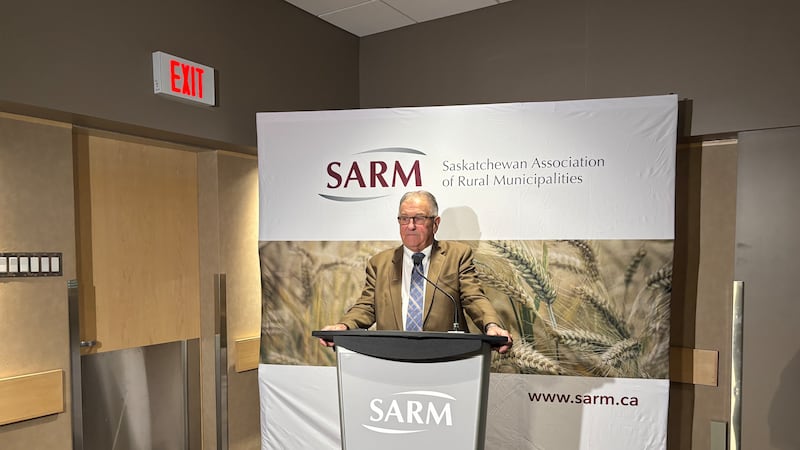
The Saskatchewan Wildlife Federation (SWF) is sounding off on the province’s decision to terminate its chronic wasting disease (CWD) testing program. The province announced late last week that the program would be ceased effective Oct. 31. Saskatchewan is a hot spot for chronic wasting disease, mostly seen in deer. During last year’s hunting season, 362 positive cases were identified, about one in every 10 animals tested. The SWF is calling for the program to be reinstated, describing it as an important tool for monitoring the disease. “We’re very disappointed. There was no consultation in any way, shape or form done to let us know they were contemplating even stopping the program, but certainly it’s right in the middle of hunting season. The timing was certainly the worst,” said Darrell Crabbe, acting executive director of the Saskatchewan Wildlife Federation. The federation is particularly concerned the decision may lead to provincial funding for laboratory testing to be discontinued — specifically testing of eligible game-farmed animals. According to the SWF, the wildlife testing program costs around $450,000 annually, with more than $300,000 coming from the Fish and Wildlife Development Fund — which receives a portion of hunting and angling licence revenues. The SWF questions why a program which is “supported substantially by licence-funded conservation dollars is being eliminated.” The organization is urging hunters and anyone concerned about Saskatchewan wildlife testing to contact their local MLA. The province said its decision to discontinue the program was driven by low uptake by hunters. “Government is always looking at efficiencies and since uptake across our hunters has been low, we see this as an opportunity for efficiency,” the province said in its update on Oct. 15. NDP MLA Trent Wotherspoon, a hunter who has used the testing service, says it helps provide reassurance about the safety of the meat hunters bring home. “Hunters across the province go to a lot of work to harvest that meat and process that meat to make our deer sausage, in the case of deer, and we participate in the program where you test it. It gives a hunter some peace of mind,” he said. According to Health Canada, CWD was first discovered in 1967, while the disease was first detected in the province in a farmed elk in 1996 and in wild deer in 2000. The province launched mandatory CWD testing in select wildlife management zones for the 2025-26 hunting season. Hunters who harvested deer or elk in those select zones were required to submit the animal’s head for testing. Since 2000, CWD has been found in 63 of the province’s 83 wildlife management zones. Samples from mandatory testing zones that are submitted on or before Oct. 31 will still be processed. CWD drop-off kiosks will be closed Nov. 2.