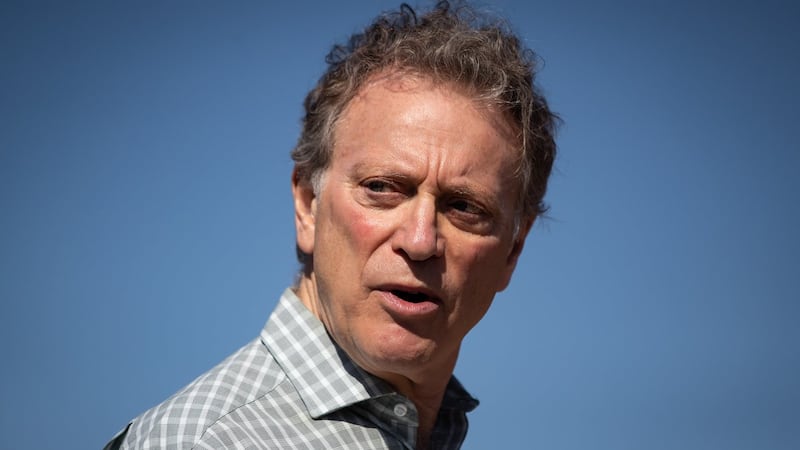
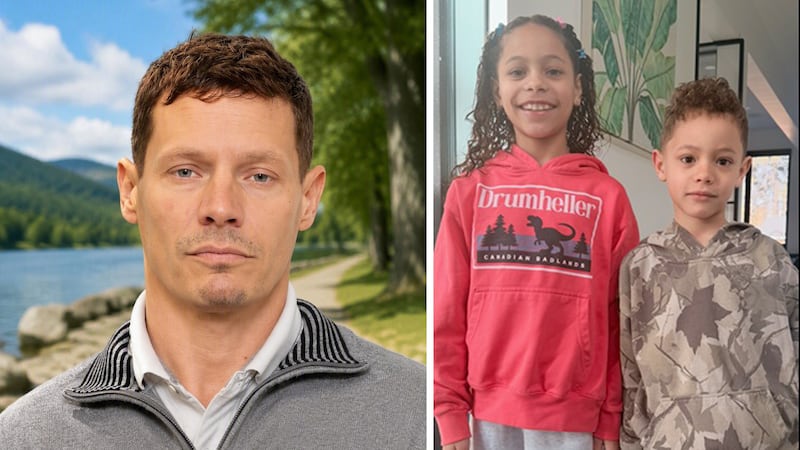
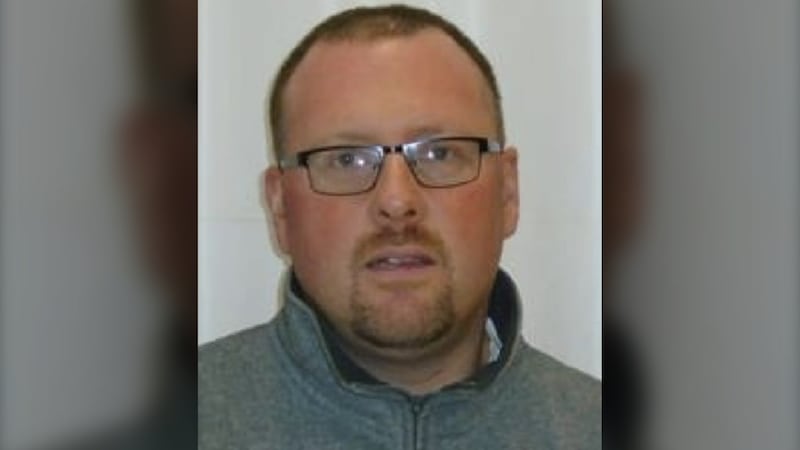
The Ontario Superior Court has ruled that a school board cannot mandate its school councils – advisory bodies made up of parents, guardians, and caregivers – to include land acknowledgements at their meetings. The decision comes after a legal challenge by Geoff Horsman, a father of three and member of the school council at Kitchener-Waterloo Collegiate and Vocational School (KCI). “I was happy to see that the court upheld what I think is fairly clear in the Education Act, and that is that school councils are independent bodies tasked statutorily with holding schools accountable to the taxpayer and to parents, and it’s not the other way around,” Horsman told CTV News following the release of the court decision. Horsman said he spent months questioning why his school council meetings were starting with territorial acknowledgements, speaking with the school council chair, who referred him to the school’s principal, who eventually referred him to the board’s System Administrator of Equity and Inclusive Education. Horsman said he was repeatedly told the matter was not up for debate, ultimately leading him to turn to the court to request a judicial review. The court’s written ruling reiterates that the decision is not about the value of territorial acknowledgements, but rather one of jurisdiction, reading in part: “It is about whether the Education Act permits the Board to require school councils to acknowledge the territory at each meeting. We find that the Education Act does not give the Board this power. Rather, the Education Act contemplates that school councils create their own practices and procedures for the conduct of their meetings.” The court decision refers the matter back to the KCI school council, saying it must reach its own decision about reciting territorial acknowledgements, whether debate on the issue will be permitted, and the rules governing any discussion and vote. While he’s pleased with the court’s decision, Horsman doesn’t believe the matter had to end up there. “It’s very concerning that it has to go to court. I don’t think there’s any need for that,” Horsman said. “And I think that speaks to a broader problem with the public school board, which is that there is not much parent engagement.” Constitutional lawyer Hatim Kheir represented Horsman in court and said it’s important that there is a clear separation between school councils and school boards. “True accountability requires independence,” Kheir said. “If the school board has its thumb on the school council, then it can’t exercise that independence. And so it can’t actually provide the sort of the true objective feedback that’s necessary to help hold the school board accountable.” In a statement, a representative from the Waterloo Region District School Board said, “The Waterloo Region District School Board (WRDSB) will comply with the decision of the Court, and KCI School Council will have the opportunity to make its own decision whether to communicate a Territorial Acknowledgement.” Horsman said that if, after a fulsome discussion, and without any coercion, the KCI school council decides to continue with land acknowledgements, that is fine. “But I think that’s a foundational, base level of democratic governance that we should expect at any council,” Horsman said.