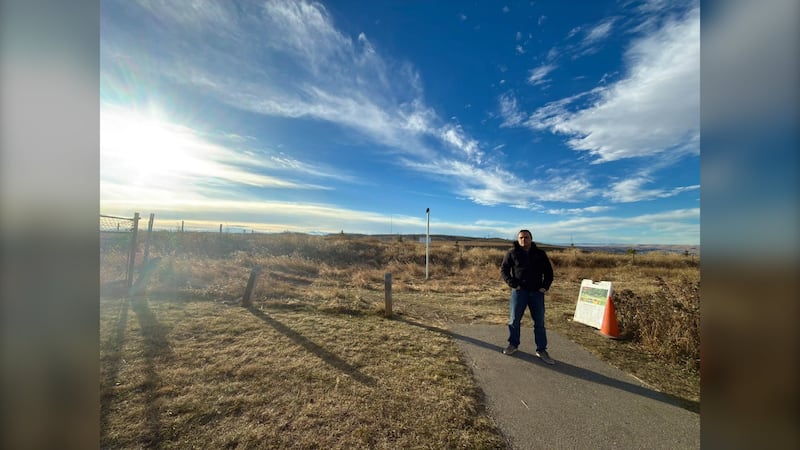
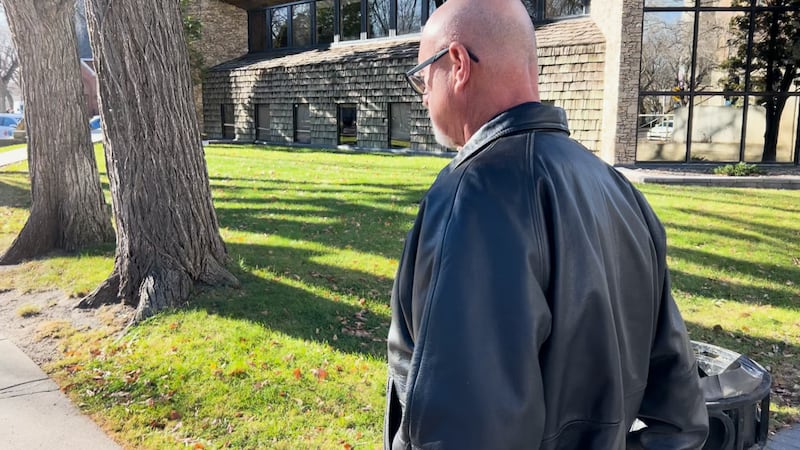
A Saskatchewan man was nearly scammed out of almost $4,000 after trying to sell vintage car parts through Kijiji. Before inheriting his father’s 1967 Ford Mustang, John Smidt of Regina said he fondly remembers the road trips he would take with his dad during the summer. “He loved the car, but we (were always) on the go,” Smidt said. “We were always busy because he was an auto-body man and a painter. That’s what we did in our summers — we travelled all over to buy these cars. We went as far as Columbus, Ohio, and brought them back.” After Smidt’s father passed away in 2021, he stopped using the vintage automobile. “The car meant a lot to me. I miss it, but it just wasn’t the same without my dad,” Smidt shared. “It was our father-and-son thing. It just didn’t mean the same when he passed away.” In hopes of giving another car enthusiast the opportunity to enjoy the vehicle, Smidt decided to sell it. After successfully selling the Mustang, Smidt put an ad on Kijiji to sell the leftover car parts. However, one of the interested buyers sent Smidt a suspicious cheque worth $3,880. “He sent me more money than what we agreed on. He sent me a cheque for $3,880 and I was asking $1,000 for my parts,” he explained. “When he sent me the cheque (he said) that he wanted me to pay the movers with the difference. That was a red flag right there.” ‘I would have been on the hook’ Smidt then reported the cheque to the Regina Police Service, who advised him to bring it to his bank. He said the bank confirmed the payment as fraudulent. “It probably would have bounced, but (the bank) would have put it through and I would have been on the hook to pay this back,” Smidt said, adding he is thankful he never shipped the parts to the buyer. The Canadian Anti-Fraud Centre (CAFC) said urgency in trying to close online market deals is a telltale sign of a scam. “There’s always a sense of urgency with most types of fraud and these types of marketplace frauds,” explained Jeff Horncastle, acting client and communications outreach officer for CAFC. “The urgency is ‘Hey, I want to buy the item … accept the payment right away, you’re going to miss out on the sale,’ type of thing. That’s the social engineering or the urgency that’s behind this type of fraud.” Knowing what to watch for Although shopping and selling items online can’t always be avoided, Horncastle advises people to take their time when exchanging information and finalizing purchases. “It’s just a matter of knowing what to watch for. Fraudsters are there on marketplace sites online and they are waiting to target the sellers,” he said. “We think of buyers, but sellers are targeted as well. It’s just a matter of knowing that these frauds are circulating and being cautious.” As online transactions and fraudulent exchanges become more common, Horncastle encourages people to continue speaking out about their experiences, in addition to reporting any incidents or suspicions of scams. “It’s more (about) having open conversations. There’s a lot of stigma around being a victim of fraud, and a lot of people don’t want to discuss what happened to them. Unfortunately, a lot of victims are victims for that reason because they’re holding their experiences in,” Horncastle said. ‘Cover all your bases’ He also stressed the importance of victims informing family and friends, which could prevent them from falling prey to the same scams. Smidt hopes his experience can help spread awareness about the ongoing issue. “I just want people to be aware to cover all your bases and check stuff first before you react,” he said. Those who come across or fall victim to scams are advised to contact their local police station or submit a report online to the Canadian Anti-Fraud Centre to report any financial losses. RELATED STORIES: