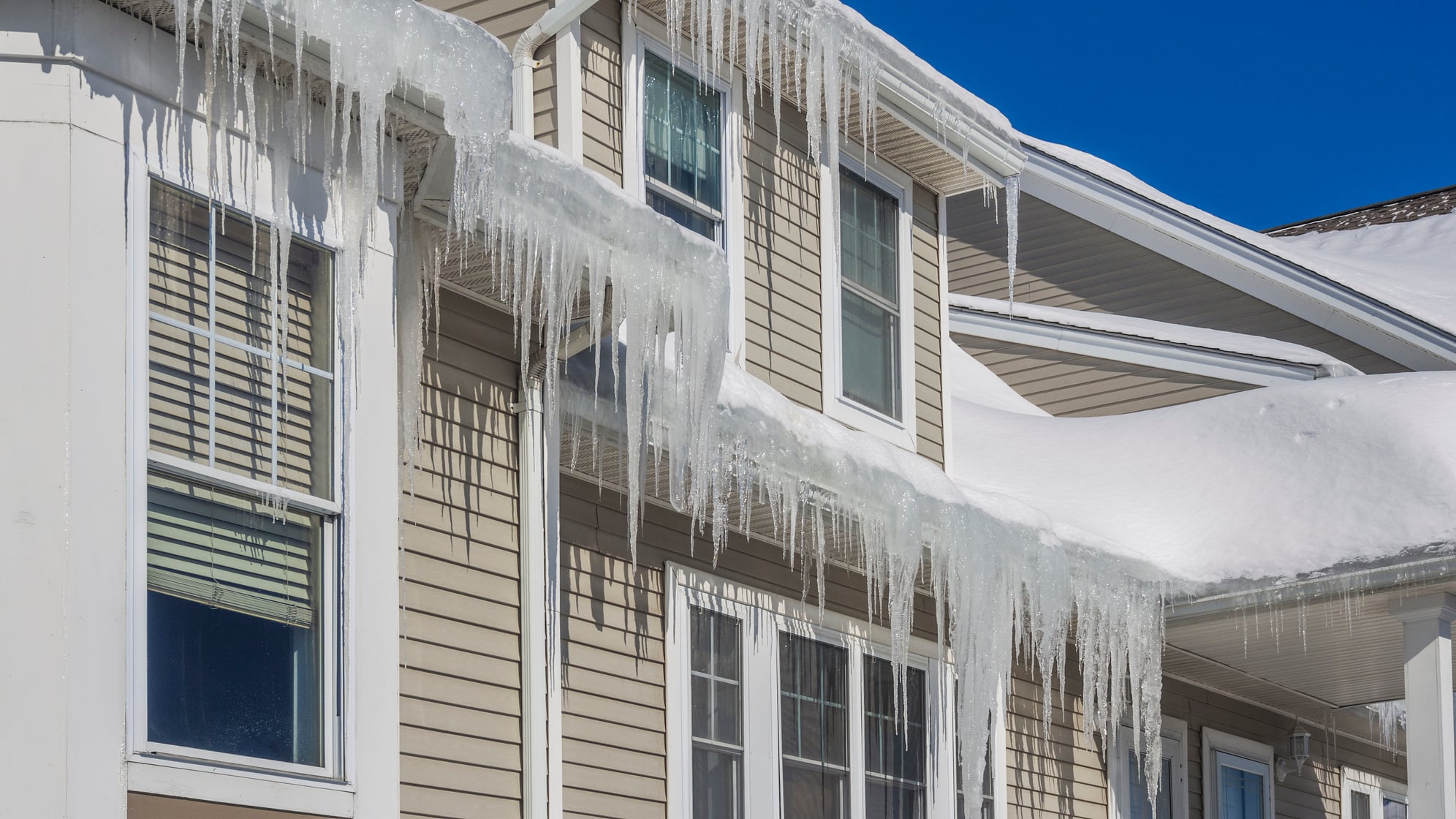
We all love the picturesque, postcard views of Canadian winters. But behind the pretty images is the stress that comes with the strain winter weather puts on our homes. Heavy snow loads, ice dams and frozen pipes are among the most common causes of winter damage, and many problems don’t show up until the spring thaw. Fortunately, a few simple steps before, during and after a storm can make a big difference. Get your home winter-ready before the first big storm While we still have some mild fall weather, it’s time to take some preventative measures. Start with the most visible things. Remove any leaves and debris from your gutters and downspouts, and check your roof for worn or missing shingles. Clearing the gutters makes sure meltwater has somewhere to go, and fixing the roof ensures water doesn’t have an easy way to enter your house. You should also consider getting a roof rake and de-icer so you can clear snow when it does eventually come down. Moving indoors, head up to your attic. Good insulation, proper ventilation and sealed air leaks stop warm air from melting snow unevenly on your roof, which is what causes ice dams in the first place. In other unheated spaces like the basement, garage, or crawlspace, wrap any exposed pipes with foam sleeves or pipe insulation to protect them from cracking during any extreme temperature swings. If you’re able to, get a backup heat or power source in case a storm impacts your electricity or heating. How to protect your roof from heavy snow and ice Most Canadian roofs are built to carry at least 97 kilograms per square metre, but not all snow is equal. Wet, packed snow and ice weigh far more than fresh powder, and freezing rain on top of snow adds even more weight. Flat and low-sloped roofs are most at risk, along with valleys and spots around chimneys and skylights where snow drifts collect. After a heavy snowfall, use a roof rake with an extendable handle from the ground. Work in sections to keep the load even, and leave about 5 to 7.5 centimetres of snow behind so you don’t scrape the shingles. Never stand directly below the area you’re clearing. To be aware of roof strain, watch out for these signs: If you notice any of these things happening in your house, or if you need to get up on the roof to clear snow and ice, hire a licensed and insured contractor. Preventing frozen and burst pipes Water expands as it freezes, which can crack or burst a pipe and flood your home. Before winter, shut off the indoor valve that feeds your outdoor faucets, drain the lines, and disconnect and store garden hoses. You can get a faucet sock to cover the outdoor faucets for some added insulation after turning them off for the winter. During cold snaps, keep your thermostat at 15°C or higher, open the cabinet doors under sinks, and let faucets drip slightly to relieve pressure. This makes sure water doesn’t sit in the pipes to potentially freeze. If a pipe does freeze, open the tap and gently warm the pipe with a hairdryer or heating pad, working back from the faucet. Never use an open flame. Water pooling where it shouldn’t, strange plumbing noises or a sudden drop in water pressure can all point to a burst pipe. If you notice any of these, shut off your main water supply and call a plumber. It’s also a good idea to get water sensors for parts of your house you don’t spend a lot of time in, like in the utility room, attic, or basement, to find out about leaks or water entering your home as soon as it happens. What to check after a winter storm Damage isn’t always obvious once the snow stops falling. As soon as it’s safe, shovel and salt walkways and driveways, and take a slow lap around your home. Look for foundation cracks, damp spots or discolouration. Clear snow and ice from gutters, and treat large icicles as a warning sign of an ice dam. Removing an ice dam is a job for a professional, since chipping at it can damage your shingles. Check trees for cracked trunks or dead branches, and gently brush heavy snow off shrubs and hedges. Indoors, look for leaks, water stains and frozen pipes. Keep checking throughout the season, because the freeze-thaw cycle can slowly widen small cracks in driveways, foundations and gutters. Protect your home all winter long A little effort now can save you from a costly repair come spring. For more tips on keeping your home safe in every season, download the CAA Safer Homes guidebook and take the CAA Safer Homes quiz to test your knowledge and learn how to maintain a safe home.