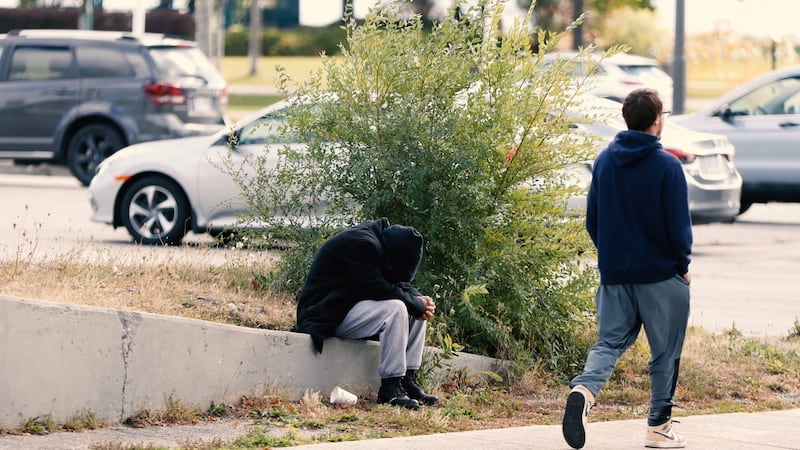
Ottawa’s medical officer of health is issuing a warning about the closure of two supervised consumption sites in less than three weeks, saying it will likely lead to more visible public drug use, social disorder and the “increased likelihood of overdose and subsequent adverse health outcomes.” The Ontario government announced in March it was ending provincial funding for seven active drug injection sites in Ontario, including the supervised consumption sites at Ottawa Inner City Health and the Sandy Hill Community Health Centre. The Sandy Hill Community Health Centre says provincial funding will terminate on June 13. “It is anticipated that this will cause a series of impacts to clients, including increased likelihood of overdose and subsequent adverse health outcomes, such as brain injury and death,” Dr. Trevor Arnason said in a memo to council. Approximately 1,750 unique clients access the consumption sites each year in Ottawa, with approximately 5,500 visits to the sites per month, according to Arnason. Arnason says while the Ontario government is operating two homelessness and addiction recovery treatment (HART) hubs in Ottawa, “they do not provide the supervised consumption or harm reduction services that these clients seek.” “It is expected that with more incidences of overdose, there will be additional pressures on emergency first responders (paramedics, fire, special constables, and police), local hospitals and other community health and social service resources,” Arnason said. “Additionally, the closure of these sites is also likely to lead to more visible drug use, social disorder, public safety concerns and increased discarded drug paraphernalia in the community, putting additional pressure on municipal services such as Bylaw, Public Works and Transit Services.” Mayor Mark Sutcliffe says he shares the concerns of the medical officer of health about the potential impacts of closing the supervised consumption sites this spring. “My message to the province would be we need more help and support,” Sutcliffe told reporters following Wednesday’s council meeting. “We need as much funding as possible to support people who are going through a drug crisis. Not everyone is going to seek treatment at a HART hub immediately. There are going to be people who are still going to be in the community using drugs, and we need as many resources as possible.” Coun. Catherine Kitts, Chair of the Ottawa Board of Health, says provincial support is needed but the memo is about “how the city is preparing for what we believe we will see.” “On the municipal side, what can we do to respond to what we think is going to happen?” Kitts said. “Increased paramedic response, increased outreach, increased needle collection, increased investment in public safety, public works will be increasing cleaning — these are things that obviously fall within a municipal purview.” Kitts says there will be a period of transition. “We’re preparing the best that we can and these preparations have been happening for weeks, even though the memo just came out,” Kitts said. “So, I think it is a signal to the community and to community partners that there is preparatory work happening and that we are doing our best to prepare for the situation that we expect could happen. But, of course, you can never fully prepare and we’ll see what ends up happening.” According to Arnason, the city has enhanced its monitoring and retrieval of needle and drug use equipment in the downtown area and Public Works is stepping up cleaning services in several key downtown areas. Arnason says Ottawa Public Health will continue to provide harm reduction services, including naloxone distribution, through its clinic at 179 Clarence Street and the mobile harm reduction van. Earlier this month, the Ottawa Mission launched a campaign to urge the Ontario government to reverse its decision to close the supervised consumption sites.