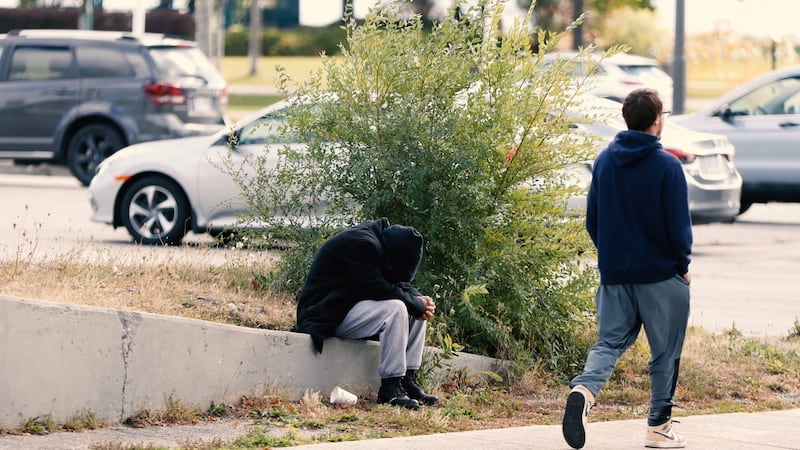
The Ottawa Mission has launched a campaign to urge the Ontario government to reverse its decision to close supervised drug consumption sites across the province. The provincial government has been focused on its homelessness and addiction recovery treatment (HART) hub model, which does not offer safe drug supply, needle exchanges or supervised consumption services. Closures began in Ottawa in 2025 when the consumption site at the Somerset West Community Health Centre was shut down because it was too close to a daycare. Last October, the Clarence Street site was closed after the province did not endorse the renewal of an exemption to keep the site operating. Then, this past March, the sites operated by Ottawa Inner City Health and Sandy Hill Community Health Centre were told their funding for consumption and treatment services would be withdrawn by mid-June. On Wednesday, Ottawa Mission CEO Peter Tilley told Newstalk 580 CFRA’s Ottawa Now with Kristy Cameron that HART hubs and supervised consumption sites do not need to be mutually exclusive. “We have several people who stay at the Ottawa Mission, who do go down there and frequent that site, off of King Edward and Murray area, to inject drugs so they can be safe. They suffer from addiction. They suffer sometimes from mental health issues that are combined with the addiction. But they certainly don’t have a death wish,” Tilley said. “They want to inject safely, and maybe that day will come where they’ll have the treatment, where they can move towards being substance free. But in the meantime, they don’t have a death wish.” Tilley said he supports the HART hub model, and has heard it has already seen success in helping people find treatment and housing, but he said people will continue to use drugs, including fentanyl, and those people need the support network of nursing professionals and peers who can help them survive an overdose so that they can live to get treatment. “We need these services to keep people alive until we can somehow get fentanyl off the market,” he said. The Mission has launched an email campaign through its website to contact the Ontario government and encourage them to change course. “The Trailer 2.0 at Shepherds of Good Hope and Sandy Hill Community Health Centre have served our community for years. Together, these sites have recorded over 470,000 visits since 2020 and reversed nearly 8,000 overdoses,” the form letter says. “HART Hubs and safe consumption and treatment sites are not interchangeable, and one does not contradict the other. By forcing an abstinence-only path to care, the province is ignoring the clinical reality that stabilization must happen before recovery can begin.” Tilley told CFRA he does not expect Premier Doug Ford will change his mind, but he remains optimistic. “He has changed his position on things before and shown that flexibility, and that’s why we’re putting out this appeal,” Tilley said. In the meantime, Tilley said he and his partners are preparing for what comes next. “We are going to be vigilant ourselves, the Shepherds (of Good Hope), the Salvation Army, for people actually be injecting on our premises, which we don’t permit, but they may feel they have no other choice,” he said. “The other thing is, they will be injecting around the shelter, because all our workers, as people know, our frontline staff and others, carry Naloxone kits, and with this darn toxic drug supply that’s out there with fentanyl now, we do want to make sure we’re accessible to keep people alive.”