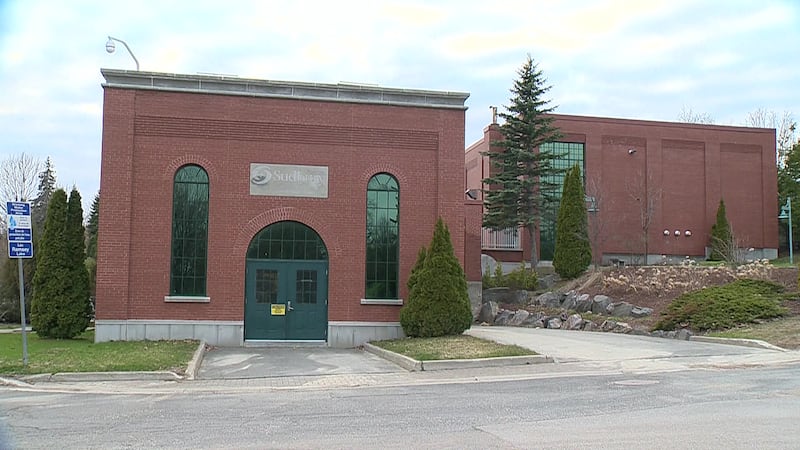
The supervised consumption sites in Ottawa have only been closed for a few days, and already anxiety is growing among drug users who rely on the services. The province ordered the closure of all sites across Ontario by June 15, including the two remaining sites in Ottawa located at the Sandy Hill Community Health Centre and “The Trailer” at the Shepherds of Good Hope. “It (was) like having an angel on your shoulder,” said Mark, who has used the site’s services. “Now the devil’s knocking on the door.” Others who frequented the sites worry about the consequences of people being forced to use drugs alone or in public spaces without access to immediate medical assistance. “There’s going to be a lot more ambulances running around,” said Angie, reflecting concerns that overdose calls could rise in the coming weeks and months. “Now everybody’s going everywhere in different places,” said Mohammed. “Sitting in the corner, they can do it, and it doesn’t matter if they pass out from an overdose. Who knows?” Ottawa Mission preparing for increase in overdoses Local organizations are already preparing for that possibility. The Ottawa Mission says it previously responded to approximately three overdoses per week and is now anticipating an increase following the closures. In response, the shelter has expanded naloxone training beyond frontline staff. Naloxone is a medication used to temporarily reverse the effects of opioid overdoses. “It’s usually been frontline staff who’ve revived them,” said Aileen Leo of the Ottawa Mission. “But now, with the increased possibility of overdoses, I feel more confident that I can respond appropriately. It’s really unfortunate that we have to remain so vigilant, but we want our clients to survive.” The closures come as the Ontario government moves forward with its plan to replace supervised consumption sites with Homeless and Addictions Recovery Treatment (HART) Hubs. The province has committed $560 million to establish 29 hubs across Ontario, including two in Ottawa, arguing that treatment-focused services are a more effective response to addiction than supervised drug consumption sites. At the federal level, Health Minister Marjorie Michel noted that while opioid-related deaths declined across Canada last year, decisions about supervised consumption sites ultimately rest with provincial governments. “If a province doesn’t want to move forward with a safe consumption site, I can’t force them,” Michel said. “But the evidence is clear: safe consumption saves lives.” Canada’s Chief Public Health Officer Dr. Joss Reimer, said it remains difficult to predict the impact the closures will have on Ottawa’s overdose rates. However, she emphasized that supervised consumption services remain a key component of a broader public health response. “I do know that supervised consumption remains one important tool, along with prevention, naloxone distribution, harm reduction, and treatment,” Reimer said. “I want to see all of those remaining available to people who require services.” ‘This is an important and challenging moment for our community’ Addressing the Ottawa Board of Health meeting on Monday evening, Medical Officer of Health Dr. Trevor Arnason referenced a memo he issued last month with the city’s general manager of community and social services, outlining expected impacts in the coming months and the steps the city is taking to mitigate them. “Clients are expected to face increased risk of overdose and related adverse health outcomes while creating additional pressures on emergency responders, hospitals and community health and social services,” Arnason said. “The closures may also contribute to increased visible drug use, public safety concerns, and discarded drug equipment, placing further strain on municipal services.” In response, Ottawa Public Health has been working with the city’s Frontline Municipal Response Task Force, focused on finding solutions to issues impacting municipal services like police, paramedics, transit and waste collection. “We have also been working closely with the local Ontario Health team to convene community service provider partners in the health and social sectors to look for mitigation options through what we’re calling the CTS Mitigation Response Planning Table that’s meeting weekly,” said Arnason. He says Ottawa Public Health remains committed to ensuring that organizations and community members continue to have access to the lock zone, overdose prevention resources and safe for drug use supplies. A more fulsome report on the impacts on the community is expected at the Board of Health’s September meeting.