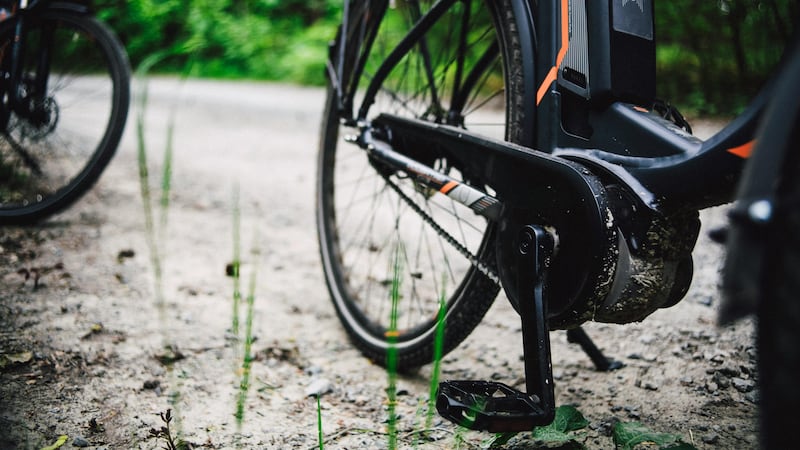
The District of Nipissing Social Services Administration Board is expanding the number of transitional housing beds it has available to those in need. The board will still have accessible, 24/7 low-barrier shelter services at Northern Pines on Chippewa Street West, designed to help individuals move forward. Northern Pines is expanding what’s known as Phase 3 of its transitional housing complex, adding 24 units by the end of August. “It’s about how you take people off the street, put them through a program and then get them to the point where they’re able to live independently without relying on all these services,” said board chair Mark King. Two trailers are being set up at the transitional housing complex, which will house the new staff-supported units. Shelter and transitional housing services are delivered by the Crisis Centre North Bay. “People experience homelessness for many complex reasons, including unaffordable rent, trauma, mental health challenges, and addictions,” Sue Rinneard, Crisis Centre North Bay’s executive director, said in a media release. “At Northern Pines, we have seen residents improve their health, strengthen their well-being and regain a sense of hope --important steps in interrupting the cycle of chronic homelessness.” Rinneard said that during a recent visit, a client said that Northern Pines had saved their life. “With these additional transitional housing beds, we look forward to supporting more vulnerable individuals on their path toward stability,” Rinneard added. Board officials said that transitional housing gives individuals private living spaces they need to work toward long-term housing goals. Besides beds, Northern Pines offers a separate daytime programming area and helps individuals connect with housing support services throughout the day. The facility is also a hub for coordinated health and social services in one location and includes housing support, income support and the community paramedicine program services. “The numbers at Northern Pines are actually twice the capacity. So there are a lot of people turned away at night, which is an unfortunate situation,” King said. The Phase 3 expansion provides independent living on site, where individuals who were once homeless can apply the life skills they learned while staying at the transitional housing complex, including cooking and cleaning. There have been major improvements in the lives of individuals staying there. In one case, a person who has maintained their room since November 2025 was able to save enough money to purchase a bicycle. Having reliable transportation has made it easier for them to attend appointments, access community resources and spend time outdoors, all of which have contributed to their mental well-being. Another person who had experienced chronic homelessness has since secured stable housing. They came back to Northern Pines to thank them for the support they received. One issue for many individuals, King said, is that once they’re ready to move on to their own home, there is no place for them to go. “The issue that we’ve had -- and this is what we’ve tried to explain to the provincial government -- is that there’s no affordable housing,” he said. King said the board is committed to working with service providers, municipalities, community partners and residents to address homelessness through a balanced approach that prioritizes safety, dignity, housing stability and community well-being.