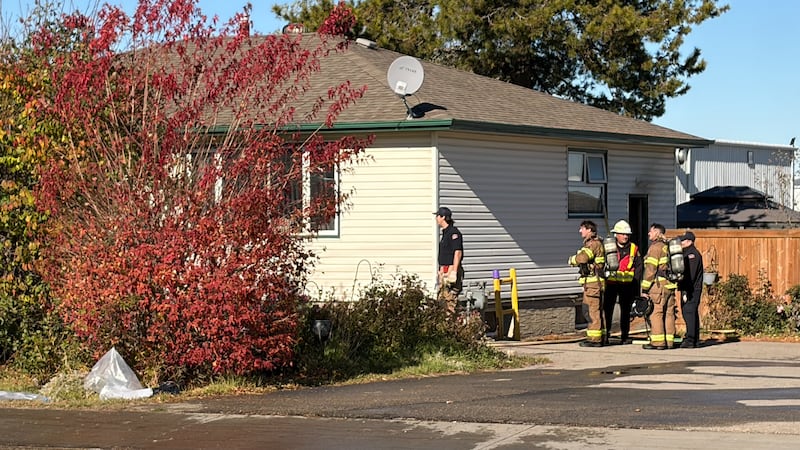
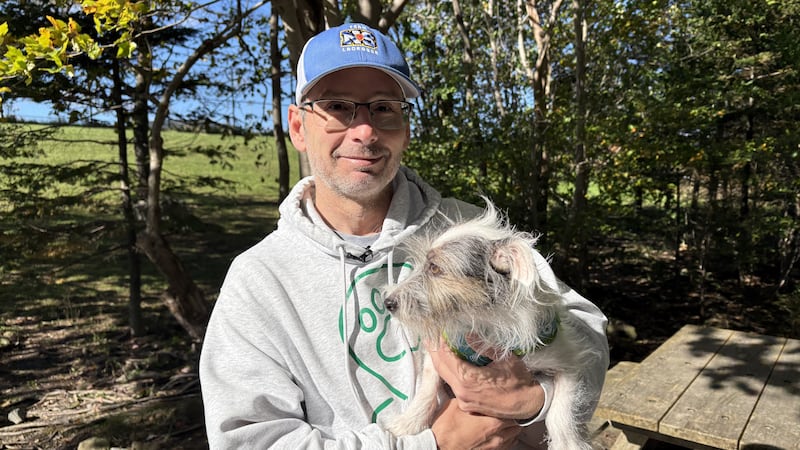
A new four-year research partnership between Nipissing University, Bay Psychology, and local mental health advocacy group Chat4Chad will investigate how exercise can support the mental health of firefighters. The project will focus on professional firefighters with North Bay Fire and Emergency Services. Researchers aim to understand how the physical and psychological demands of firefighting affect stress, recovery and long-term mental health. Partnership brings together diverse expertise The collaboration brings together three organizations with complementary expertise. Chat4Chad is a mental health advocacy organization focused on awareness, resources, and funding. Bay Psychology, under the direction of clinical psychologist Dr. Sachiko Nagasawa, will provide mental health oversight and expertise in psychological assessment. Nipissing University researchers, led by Dr. Mark Bruner, Dr. Justin Carré and Dr. Geoff Hartley, will contribute expertise in group dynamics, social neuroendocrinology, and occupational exercise physiology. Researchers said Bay Psychology will provide another layer of expertise, with the clinic’s lead psychologist and her team monitoring mental health initiatives throughout the project. Goal is practical, evidence-based strategies The research will study whether aerobic fitness and specific forms of exercise performed after shifts or following challenging calls can help firefighters recover from stress more effectively. Researchers will measure stress responses and mental health outcomes while working closely with firefighters to ensure findings are practical and relevant to the profession. Andy Kanmacher, a master’s candidate in kinesiology at Nipissing U who is involved with the project, said the goal is to find meaningful results. “I think this research is going to be very meaningful in the sense of finding some new mental health initiatives for firefighters and other first responders,” Kanmacher said. “So, we’re looking at actually how exercise, predominantly aerobic fitness, can influence some of the cortisol profiles in these firefighters and we know cortisol is very linked to stress and that’s why we’re focusing on cortisol.” Advocacy group helps share findings beyond academia Hartley said the partnership represents a significant step. “This partnership represents an important step toward finding practical, evidence-based ways to support the people who protect our communities,” said Hartley. “We know firefighters face extraordinary stress. Our goal is to identify strategies that can be integrated into their work environment.” Hartley also explained Chat4Chad’s role in helping disseminate research results. “So Chat4Chad is a huge contributor financially, but also, in addition the financial contributions, Chat4Chad is really going to help this research by allowing us to spread our findings to the wider community,” he said. “So, often academic research gets lost in academic journals and Chat4Chad has a great platform.” Aims to reduce risks from occupational stressors Firefighters routinely face traumatic incidents, disrupted sleep, intense physical demands and high-pressure emergency callouts. Researchers say these occupational stressors can place them at greater risk for anxiety, depression, post-traumatic stress disorder and burnout. The new research program will explore whether targeted exercise strategies can help reduce these risks. Nagasawa emphasized the need for collaborative approaches. “Supporting trauma exposed professionals in northern communities requires collaborative, preventative approaches that sustain mental health across the lifespan,” Nagasawa said. Wade Ringler, founder of Chat4Chad, expressed pride in the partnership. “Chat4Chad is proud to join this incredible team and the groundbreaking research they are conducting,” Ringler said. “Together, we’ll work to ensure that our firefighters are given the best resources and tools so that positive mental health outcomes can be achieved.” The partners told CTV News that the aim is to translate research findings into practical recommendations that can benefit firefighters locally, provincially and beyond as the results will be shared with firefighter organizations across Ontario and internationally to help inform workplace wellness programs and mental health initiatives throughout the fire service community. With files from CTVNorthernOntario.ca Lyndsay Aelick