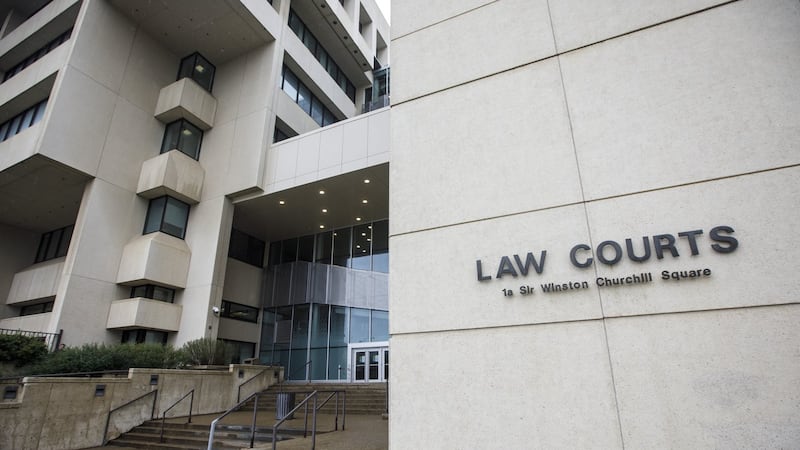
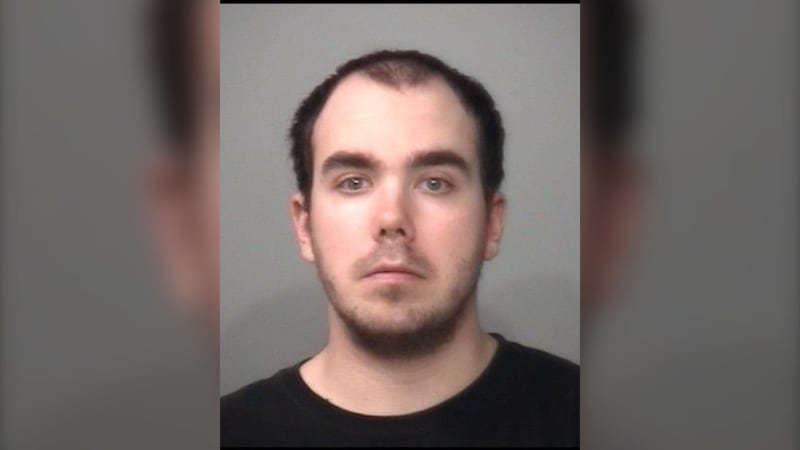
The Supreme Court of Canada has rejected an appeal of sexual assault convictions for former Sudbury, Ont., track coach David Case and a former athlete, Celine Loyer. The case dates to 2011, when a 19-year-old woman was sexually assaulted by Case and Loyer while she was unconscious. She was a Laurentian University student at the time and had befriended the pair, who were regulars at a restaurant where she worked. Loyer was a 22-year-old athlete “with an aspiring Olympic career” who was being coached by Case, who was around 45 years old at the time, according to the Supreme Court appeal. Passed out after drinking a shot They befriended the victim and invited her over for a drink in June 2011. After consuming a shot of liquor, she passed out sometime after 9:30 p.m. The victim believed she was drugged. “The complainant’s next memory was being in the back seat of Case’s car while being dropped off in front of her residence,” the appeal documents said. “Case offered to help her inside, but she declined. It was unclear what time the complainant got home, but she estimated, and her partner believed, it was between 12 a.m. and 1:30 a.m.” She remembered nothing about what happened until she later had an extremely vivid dream about being sexually assaulted by Loyer, who was being directed on what to do by Case. She was extremely ill the next day and left work early. She later told her boyfriend that she was becoming certain the dream was a flashback to her being sexually assaulted. In an exchange of email messages in the following days, Case claimed that the victim had been sexually aggressive, tried to kiss Loyer and had taken off her clothes. Sex assault examination The victim ended up going to the crisis centre at the hospital for a sexual assault examination. She experienced soreness and the nurses found several bruises in her genital area and photos were taken. She made a police complaint, but the two officers who arrived told her there was insufficient evidence to proceed with charges. “The complainant viewed this interaction as negative,” the court said. “She felt the male officer did not believe her.” It wasn’t until 2017, when Sudbury police undertook a major review of sex assault cases that had previously been rejected, that Case and Loyer were charged. They were found guilty in March 2020, and sentenced to 16 months in jail and two years’ probation. They appealed that decision, arguing that the judge relied too heavily on the victim’s unreliable recollection. While she said it was a flashback, the defence argued it was a dream that couldn’t be relied on. Dissenting opinion While the Ontario Court of Appeal upheld the conviction in 2024, one of the appeals judges dissented, agreeing with the defence that the trial judge relied too heavily on the unreliable recollection of the victim. At the very least, the dissenting judge said a new trial should be held. In the appeal, the defence for Loyer argued that the victim’s recollections were an unreliable dream; the defence argued that they were memories — flashbacks backed up by physical and other evidence. In its unanimous decision, the Supreme Court upheld the convictions, ruling that it was reasonable for the trial judge, based on the totality of the evidence, to consider the flashback a memory, not a dream. The full ruling was read out in court Feb. 19, and will be released in print form at a later date. If you or someone you know is struggling with sexual assault or trauma, the following resources are available to support people in crisis: