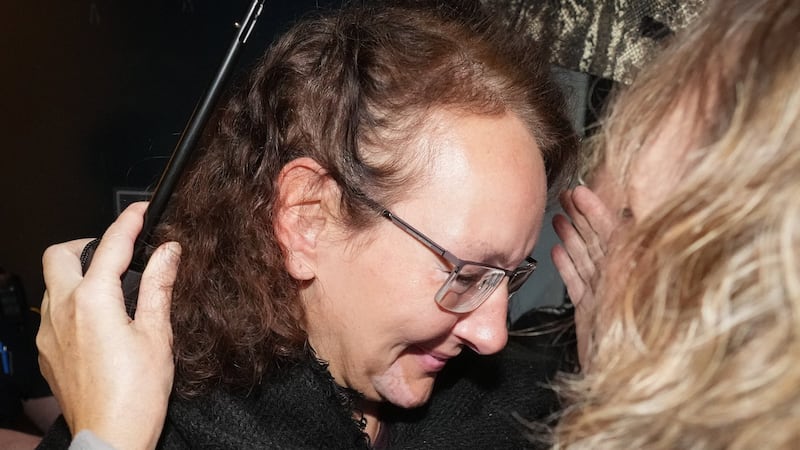
After a routine blood test, VK Preston said they were left waiting more than two years for answers. “It really affects people,” they told CTV News, noting they had their blood work done in January 2024, but didn’t get the results until summer 2026. By then, they said, their iron levels were critically low, and they were experiencing extreme fatigue and hearing loss. The Plateau-Mont-Royal resident added that trying to get an appointment for the blood test was already a difficult task. “I noticed over and over again that there were no Clic-Santé appointments in the public system available in my neighbourhood,” they said. “It’s hard when you have a heavy workload to just stay on top of it all the time.” In Quebec, there is no standardized iron deficiency threshold, unlike other provinces like Ontario, which adopted a minimum ferritin threshold of 30 µg/L for adults in 2024. “I was being told something was mild or on the border,” they said. “By the new threshold, I’m quite significantly anemic.” Quebec is currently rolling out its provincial lab work management system, the Système d’information de laboratoire provincial (SIL-P), which is designed to digitally send results to clinics. However, La Presse previously reported that 360,000 results had to be manually rerouted by Santé Québec after being sent to the wrong clinic last year, including more than 740 results from Preston’s clinic. “These situations are mainly attributable to human error, independent of the laboratory information system in use,” Santé Québec told CTV News, calling the digital transformation a “significant improvement over previous processes.” Preston argued the bigger problem is a lack of transparency, which leaves patients in the dark. “If you’re a patient, you think that you are receiving medical care,” they said. “In fact, there are huge delays that are structural, and they’re not being signalled to you.” As for Preston, they said their iron levels haven’t yet bounced back, and getting another blood test could mean weeks of waiting.