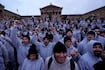
The Parti Québécois came to power for the first time 50 years ago, marking a major shift in the Quebec and Canadian political landscape. It was a win few saw coming. On November 15, 1976, the Parti Québécois won 71 seats and 41 per cent of the popular vote. Daniel Beland, McGill Institute for the Study of Canada, said it was a major shift. “It was dramatic. It was still a relatively new party, and so for them to win so big was quite something,” he told CTV News. The party swept to power for the first time. At its head, one of the most well-known premiers in Quebec history: René Lévesque. “René Lévesque is still seen by many francophones, particularly as the father of the nation, still today,” said Raphael Melançon, political analyst. Analysts say the PQ was born of the Quiet Revolution. Its left-of-centre policies included creating the youth protection program, the Société de l’assurance automobile du Québec (SAAQ), the adoption of Bill 101 and the Charter of the French Language. But at its heart was, and still is, sovereignty. In 2026, that still rings true. “Article number one of their constitution is sovereignty. It’s their raison d’etre, so that’s what really keeps this party alive, and at the same time, it’s also a burden, that prohibits this party from forming a majority government,” said Melançon. But over the last half-century there are also changes. “I think the current government is much less progressive than the PQ in 1976. I think a lot of the progressives who are with the PQ or would be with the PQ today are with Quebec Solidaire,” said Beland. After winning only three seats in the 2022 election, the PQ is back in power again. Just like 50 years ago, it’s promising more protection for the French language and to hold a referendum.