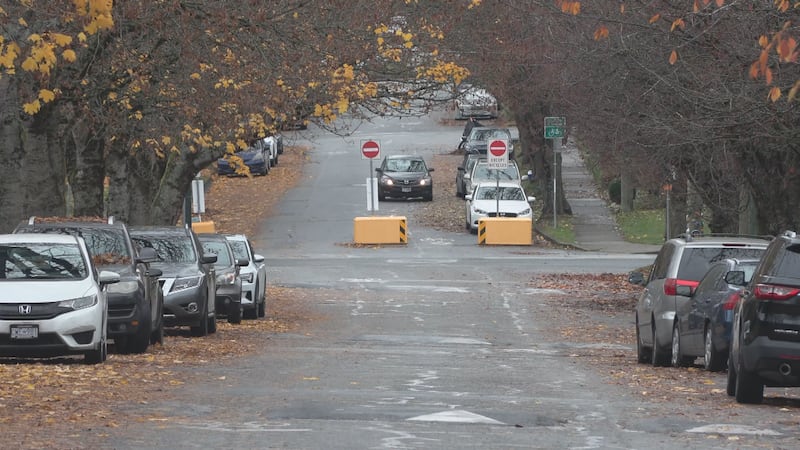
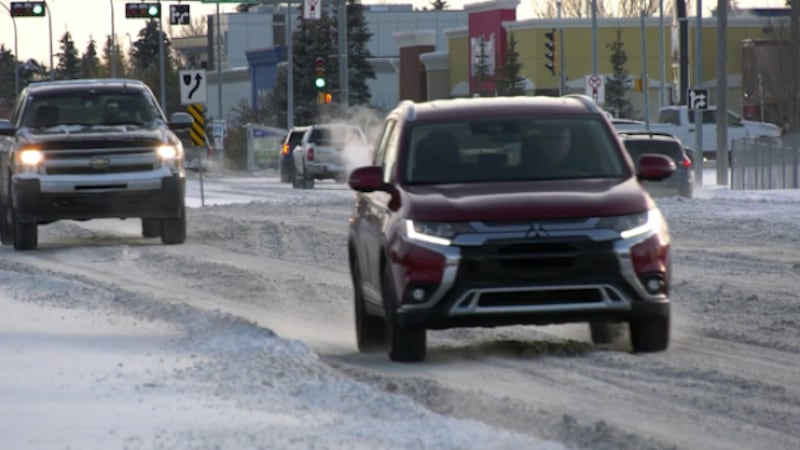
Voter turnout in Quebec’s municipal elections has historically always been lower than in provincial or federal races. But what people may forget is that these votes - these decisions - often have a direct impact on their day-to-day lives. Take garbage collection, for example, a hot topic after some boroughs cut service from weekly to biweekly. Residents in the Montreal borough of Mercier-Hochelaga-Maisonneuve were upset with the change, though it aligns with the City of Montreal’s plan to become a zero-waste city by 2030. There is also the ongoing debate between parking spaces and bike lanes. Since 2017, the city has increased the number of bike lanes at the expense of parking spaces, which has angered many Montrealers, including some residents living in the borough of Villeray–Saint-Michel–Parc-Extension, who have threatened legal action. Everything from snow removal delays to omnipresent orange cones and ongoing construction and road closures falls under services offered by municipal governments. But that’s just the tip of the iceberg. Malorie Flon, executive director of Institut du Nouveau Monde, an independent organization promoting democratic participation, says that many people don’t vote because they either feel less informed or less confident exercising their right to vote. “Voting is important because it’s the main way people can directly influence the decisions made in their city — decisions that affect daily life far more obviously than those made by higher levels of government,” Flon said. “For example, things like street design, public spaces and parks, community or sports infrastructure, water management, transportation and mobility, and even our property taxes, those are all determined by city council.” What the City of Montreal does: What the City of Montreal does not do: Voting as an expression of values Flon emphasized that when people vote for a candidate, they really are choosing the priorities that reflect their vision for their community. “Voting is a concrete way to express what we care about — our values, our needs, and the kind of environment and services we want in our city,” she explained. The executive director added that if citizens don’t take an interest in who is governing or how decisions are made, they risk seeing choices implemented that don’t align with their values, needs or priorities. Moreover, Flon said that if voter turnout continues to decline, elected officials risk losing legitimacy, and when that happens, public trust in democracy decreases. “Democracy isn’t guaranteed. It’s like a muscle. It has to be exercised, or it atrophies. That’s why I encourage everyone to vote,” she said. “It’s one act, but it strengthens an entire system built on public consultation, civic participation, and the protection of rights and freedoms. It’s precious.” The Montreal municipal election is set for Nov. 2.