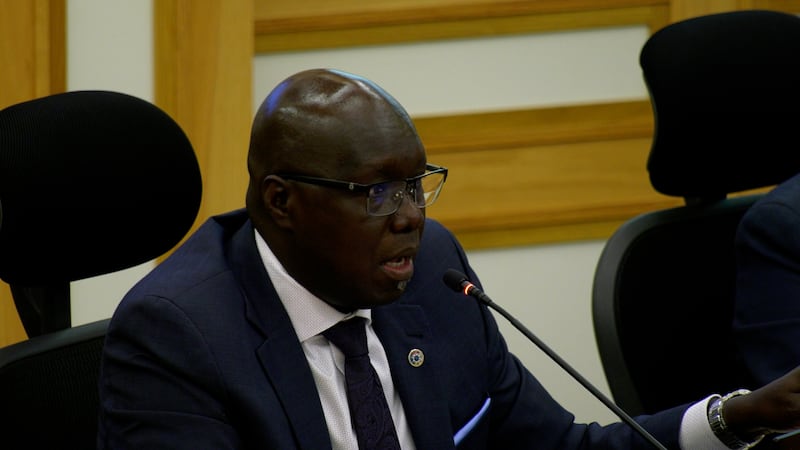
In the English language, people address each other using you. It’s trickier in French. People use informal tu when speaking to family and friends and the formal vous for everyone else. When in doubt... “You’re probably better off using vous,” French teacher Francois Limoget told CTV News last year. At the time, Quebec’s former education minister Bernard Drainville had issued a notice: it’s back to vous, back to madame, back to monsieur. “It’s a show of respect for the status and for the for the function,” Drainville said in May. As the rule is formally put in place this week, some teachers say the learning curve won’t be hard because many schools already demand formal forms of language. “I taught for 23 years at the high school level on the island of Montreal, and I used to ask my students to call me Heidi, and they had a hard time,” explains Heidi Yetman, now President of the Quebec Provincial Association of Teachers (QPAT). “They would say miss Heidi or Ms., so I think that’s already pretty much installed in many schools. I don’t think that’s going to be too difficult.” French elementary schools are not different. “It’s already established that you speak to your elementary school teacher using vous,” says Teachers Union Federation president Richard Bergevin. The measure was announced last year as a response to concerns about growing violence in schools. The reasoning was that more respect would lead to a better atmosphere in the classrooms. Teachers aren’t sure vouvoyer will change anything. “If we don’t have enough adults in the room, we won’t be able to change behaviours,” says Bergevin, reminding that government cuts are leaving schools understaffed and struggling to provide specialized services. Others say the choice should be left to teachers, not the government. “I always say leave it up to the teachers. The teachers know best and each teacher has a different way of teaching, a way of developing relationships with their students,” said Yetman. Learning the difference between tu and vous they argue, is the best way to avoid future faux pas.