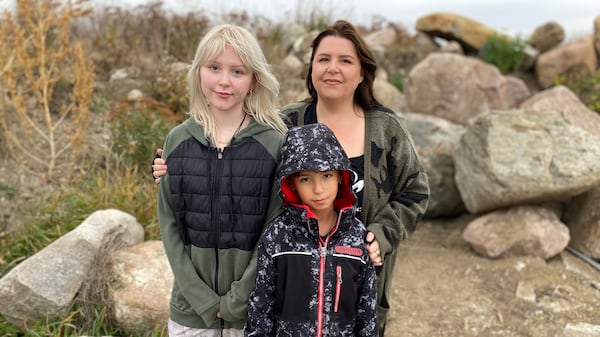
A new survey by the Quebec Association to Prevent Suicide (AQPS) reveals that mental health and suicide are having a far greater impact than previously believed. On the international day for suicide prevention, a study shows that half of Quebecers are affected by suicide. It can be a family member, a colleague, and the grieving process for everyone involved can be far reaching, explains AQPS president and CEO Hugo Fournier. Roughly three people die by suicide daily in the province. Fournier says it’s easier today to talk about prevention, “but a lot still needs to be done.” He says that includes educating people who seek advice on Chat GPT. In July, 24-year-old Alice Carrier died by suicide. Her friends and family discovered she sought advice from the AI chatbot Chat GPT. Instead of helping Carrier, her family says the replies reinforced her despair and suicidal thoughts. “It just blew my mind when I read, it was confirming everything her mind was telling her,” said Alice’s mother, Kristie Carrier, in an August interview. In the United States, similar cases have led to several lawsuits against AI companies, for failing to prevent such exchanges. “This this is a known behavior of chat bots like chat CBT, this known as sycophancy, where they will tell you what they think you want to hear instead of what you need to hear,” says technology analyst Carmi Levy. AI models, Levy explains, weren’t designed as substitutes for counselling. “When looking at the chat logs, it actually suggests how to end your life. It suggests forms of violence. It’ll make recommendations on how to write a suicide letter to friends and family,” he says. “The sad reality of it is, is that this technology puts the technological equivalent of a loaded gun into the hands of people who are more inclined to use it.” Open AI, which owns Chat GPT, did not immediately respond to our request for reaction, but in previous statements , said it is “continuing to improve how our models recognize and respond to signs of mental and emotional distress and connect people with care guided by expert input.” But for some families, it’s too little too late. Help is available 24/7 everywhere in Quebec. Services are free, bilingual, and confidential.