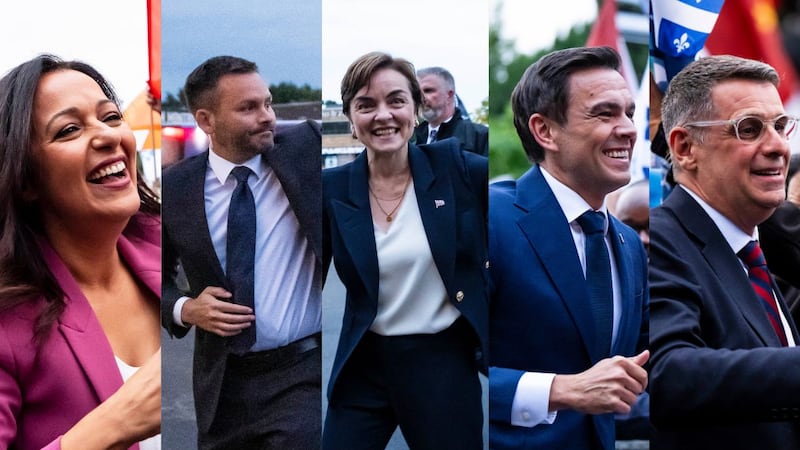
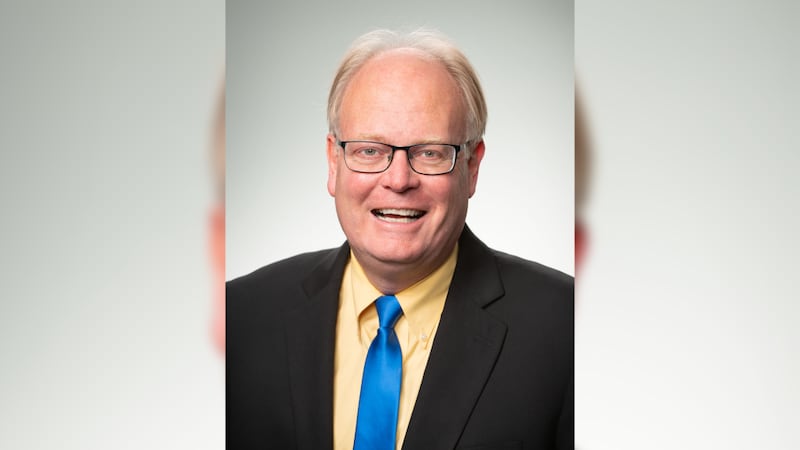
Soraya Martinez Ferrada was elected mayor of Montreal just over one week ago and is facing a major strike and the city’s first taste of winter. She joined CTV News Montreal anchor Mutsumi Takahashi to talk about the public transit strike, homelessness and other top priorities. This article has been edited for length and clarity. Watch the video above for the full interview. CTV News: You’ve had just over a full week of getting used to being mayor. How are you feeling about it all now? Soraya Martinez Ferrada: I’m very excited and very enthusiastic about everything we need to do for the city and working with all other cities in the island and in the suburbs. I think it’s a great metropolitan region that needs a lot of love, and I’m very excited to be the next mayor of the City of Montreal. CTV News: You’ve said the first priority was to end the bus strike today. You asked the unions to pause the work stoppage. You’ve also set a deadline for Nov. 15 for the strikes to end. That’s this Saturday. What are you going to do if the strikes aren’t over by then? Ferrada: Well, as you know, Quebec legislation has been tabled for tomorrow. There has to be a vote at the National Assembly on that legislation. My levers are very limited as mayor, I’m not at the negotiation tables, the STM is. But I do think that the conversations are going well, and I think that deadline hopefully will be met, and I think even unions and the STM don’t want to have a legislation over their heads at the end of the day, an agreement negotiated at the table is always better. CTV News: You’ve said that taking care of homelessness is a priority. You’ve talked about increasing the budget from $10 to $30 million and $100 million to help smaller shelters. Most of the city’s revenues come from property taxes, and I’ve heard people say that they’re worried that even though you say you’re going to cut 1,000 city jobs, is it going to be enough? Can you keep all your promises without raising taxes? Ferrada: Absolutely. I think it’s a matter of choices. I want to be the administration that made the choice to put the money where it really is going to help the homelessness crisis that we have in our streets, in Montreal. It’s affecting not only our reputation as a city that take cares of people, but also the attractiveness of our city, the security. People don’t feel safe. We need to address that, the cleanness of our city. So, all those things are tied together, and I think it has to be a priority in terms of the budget that we do and the choices that we make. That will be my first test as a mayor, to present a budget that will clearly put homelessness as a priority. CTV News: You know very well that Montreal is a university town and they’re hurting right now, especially the English universities. They’ve got a huge drop in foreign students because of restrictions brought in by the Quebec government. Is there anything you can do about this? Ferrada: Well, as you know, legislation on education and immigration is not the city’s jurisdiction. It is something that I want to be talking with Quebec about. It’s important not only for the city, but the future of the economy of Quebec. If we want to remain a competitive city and province, we need those talents, and we need that immigration, and I think it’s a conversation that I will have with Quebec. But as you know, the levers. I don’t have them as a city mayor. CTV News: Every mayor who’s come in has promised to revitalize downtown Montreal. People still worry about crime, cleanliness. What do you have planned for downtown Montreal? Ferrada: I talked about it during the campaign. There’s almost 18 per cent of inoccupancy in the downtown core. We need to address the issue of bringing back people to downtown, working with the business and residents of downtown, making sure that we are doing things that will bring back people. As mayor of Montreal and mayor of the downtown core, I want to make sure that I’ll be working with them in the next few months. CTV News: You got just over 43 per cent of the vote, but with voter turnout, it was low – 37 per cent. So, that means you were elected by about 16 per cent of registered voters, which is not much of a mandate. What do you say to the 84 per cent of people who did not vote for you? Ferrada: I say to them that I’m the mayor of everyone, the ones that voted against me, the ones that voted for me and the ones that didn’t vote, I’m the mayor of all citizens and all Montrealers. Now, the only thing I would say, though, is that we got a bit less than 38 per cent (voter turnout) in 2021. Considering that we had a public transportation strike, we had the Canada Post strike, a lot of people didn’t get their voting pamphlets at home – I think with those two challenges that we had in this election, getting up to 37 per cent, it’s almost the amount that we got in 2021. So, I don’t have less than what Valérie Plante got in 2021.