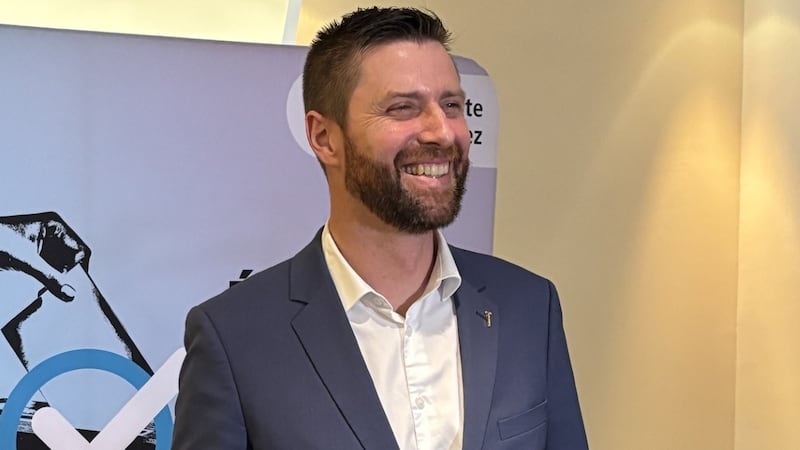
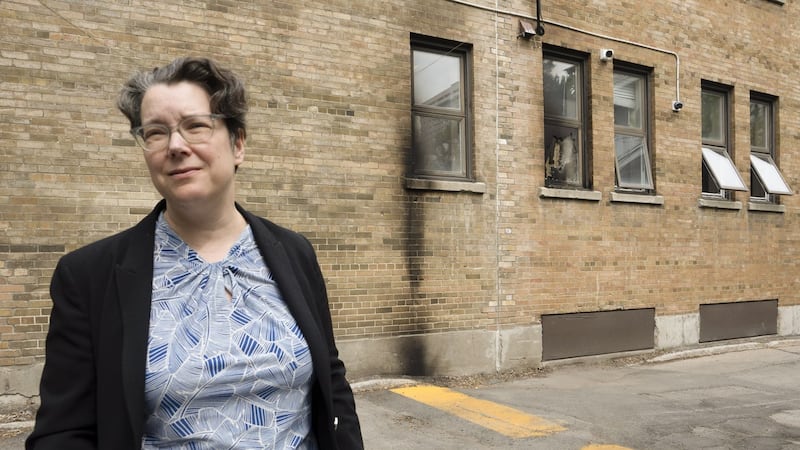
One day after winning the provincial election, Parti Québécois (PQ) leader Paul St. Pierre Plamondon is already taking a first shot at stripping Quebec from the monarchy. The move comes as a lawyer has already filed an injunction to force all MNAs to continue swearing an oath to the King when they are sworn in the coming weeks. At a press conference Tuesday in Quebec City, premier-designate St. Pierre Plamondon said he intends to seek legal advice “in order to evaluate the different options available so that the lieutenant-governor [of Quebec] does not participate” in the opening of the parliamentary session in the Quebec legislature. His remarks come less than 24 hours after his party sailed to victory in the Quebec general election to form a minority government, toppling the ruling CAQ party in the process. He told reporters that he takes issue with the lieutenant-governor of Quebec attending the swearing-in ceremony for legislature members “to tell us what to do at the beginning of the parliamentary session.” “People say it’s symbolic, I would respond that it’s still totally abnormal and these funds, we could use them in a smarter way,” said St. Pierre Plamondon, referring to the money the Government of Quebec spends on administrative and operational costs of running the office of the lieutenant-governor. In the last provincial budget, the Quebec government allocated $1.163 million for the Crown’s representative’s office. During the 2026 election campaign, the PQ leader vowed to defund the office and to block the lieutenant-governor from attending official ceremonies. The PQ leader used the press conference to outline some of his other priorities for his first weeks in office, including organizing a summit on fighting the homelessness crisis in Quebec, reducing government waste, and working with Prime Minister Mark Carney to defend Quebec’s interests. He also said he does not intend to swear the oath to the king when he is sworn in. Legal experts, however, say it’s not so simple. Constitutional lawyer Frédéric Berard said it would be nearly “impossible” to abolish the monarchy in Quebec unanimously. “It requires the unanimity of each and every province in Canada plus the federal parliament. So, I’m not sure that this is the priority in Canada right now to spend some time on such an issue,” he said in an interview. Lt.-Gen. Manon Jeannotte is the King’s representative in Quebec who fulfills several constitutional and ceremonial roles, most notably granting Royal Assent on all bills — the last step in the legislative process. A bill cannot become law in Quebec until it receives Royal Assent. Lawyer files injunction day after election There are already some legal experts who say that circumventing that process would call into question the validity of the work of MNAs in the Quebec legislature. In August, University of Ottawa law professor Lawrence David filed a legal challenge against a 2022 Quebec law that made the oath to the king optional for MNAs, accusing the Quebec government of exceeding its constitutional powers. On Tuesday, David filed an injunction in Superior Court to ask a judge to immediately suspend the application of the 2022 law while the legal challenge is under judicial review. If granted, the injunction would force MNAs to take the oath before they are sworn in, which could be weeks away. The parliamentary session is scheduled to resume on Nov. 17. “Time is of the essence,” David said Tuesday in an interview. “We will be seeking a date as soon as possible to have that full debate because indeed it is pressing for these matters to be decided, especially as Paul St. Pierre Plamandon is saying that he wants to abolish the office of lieutenant-governor. Again, there’s no legal authority to do that.” Like David, Berard agrees that any bill that is passed without a majority of MNAs having sworn an oath to the Crown could render those bills invalid. St. Pierre Plamondon has previously attacked the legal challenge, saying after it was filed that the Quebec law was unanimously adopted by MNAs. “As long as Quebec is not independent, the decisions and will of Quebecers can be challenged by Canadian institutions, in complete disregard of our democratic choices,” he said on social media on Aug. 12. CTV News reached out to the office of the lieutenant-governor of Quebec for comment but did not receive a response before publication time. With files from CTV News’ Max Harrold