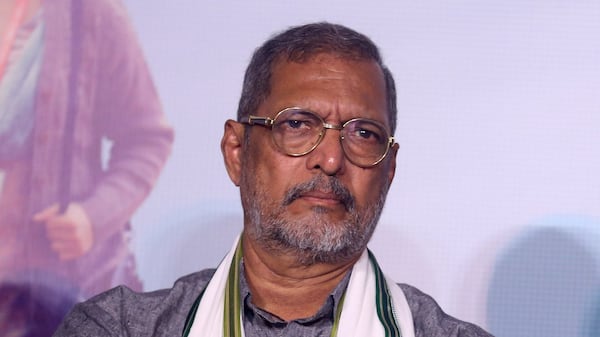
Some 30 years after Jarry Park was first transformed into a tennis centre, the home of the National Bank Open in Montreal is facing mounting pressure to modernize once again. “Centre Court could definitely be modernized,” Association of Tennis Professionals CEO Eno Polo said during a roundtable discussion with select media members on Monday afternoon. “It’s also about the video screens and everything surrounding the tennis itself, like the experience for sponsors and the suites.” Polo, who was appointed ATP CEO last September, made his first-ever visit to Montreal on Monday as part of his mission of attending every Masters 1000 event in person during his first year on the job. The initiative is also part of the ATP’s OneVision strategy, aimed at identifying opportunities to grow the sport, enhance the fan experience and create long-term value for players, tournaments and partners across the tour. “It’s important for me to be (here) because that’s where you really learn what’s happening,” Polo said. “You can meet people, get feedback, spend time with the players and tournament organizers. I even prefer entering through the main entrance rather than the VIP entrance because that’s where you see the real fan experience.” Polo praised several aspects of the current tournament setup, including the fan village, player lounge and the site’s proximity to the players’ downtown hotel. Nevertheless, he said the age of the stadium is becoming increasingly apparent, especially in comparison with other Masters 1000 tournaments. Cincinnati, which will host the top men’s and women’s players later this week, for instance, invested US$260 million to redevelop its facilities ahead of last year’s tournament. “It’s like owning a house,” Polo said. “If you’ve lived in your house for 20 years without renovating it, then you visit your neighbour who has just spent half a million dollars renovating theirs, you naturally go home feeling your own house is a little outdated.” The comments come as Tennis Canada develops plans to modernize the IGA Stadium site, including the building of a new 15,000-seat Centre Court with a retractable roof, as well as the construction of additional practice and match-ready courts. Polo welcomed those plans while acknowledging that a project of that scale will take some time. “These projects don’t happen overnight and we understand that,” he said. “We also understand that Tennis Canada and the organizers in Montreal have a vision for developing this site. We support that vision because we believe it’s moving in the right direction. If they’re able to accomplish what they’ve proposed, it would be fantastic.” Increased capacity, he added, can also have a direct impact on Tennis Canada’s coffers. “If you’re selling out every session, a larger stadium means more tickets sold, more revenue generated, and ultimately more money that can be reinvested into Canadian tennis,” he said. The ATP will add a 10th Masters 1000 event to its calendar in 2028, when a tournament in Riyadh, Saudi Arabia, joins the schedule. With no plans to add more Masters 1000 events beyond that, Polo said the existing tournaments must continue to evolve. “Our goal is not to punish tournaments. They’re our members. Our goal is to help our members succeed, not lose them,” he said. CENTRE COURT ROOF WOULD HELP This year’s tournament has also highlighted the challenges posed by Montreal’s unpredictable summer weather. Monday night’s pair of singles quarterfinals were forced to be postponed to Tuesday afternoon due to rain. It was one of several weather disruptions this week that also forced the tournament’s opening-night session on Aug. 2 to be cancelled outright. “Imagine buying a ticket, leaving work early to attend the evening session, arriving at 6 p.m., and then it rains,” Polo said. “You end up going home without seeing any tennis. That’s disappointing.” While only three of the ATP’s nine current Masters 1000 events have Centre Courts with roofs, Polo believes a roof should be seriously considered as part of any long-term vision for the Montreal facility. “We don’t have in a rule book that every tournament has to have a roof,” noted Polo. Top players missing in Montreal Polo’s visit also coincides with pointed comments made by tournament director Valerie Tetreault following the last-minute absences of several of the sport’s biggest names, including Jannik Sinner and Novak Djokovic, for the second straight year. Polo said the ranking points at Masters 1000 events are valuable. Nevertheless, the ATP is exploring ways to make Masters 1000 tournaments more financially attractive, including potential bonuses for players who consistently compete at the tour’s signature events. “We know that players can earn enormous appearance fees by playing exhibitions or smaller events,” Polo said. “We’re asking ourselves how we can make the Masters 1000 circuit even more attractive financially.” Polo said the ATP ultimately wants its biggest stars to prioritize the four Grand Slams and Masters 1000 events, all the while acknowledging that injuries and fatigue are unavoidable. “We’d love to see players like Sinner and (Carlos) Alcaraz still competing at the highest level into their mid-30s, just as Djokovic has,” he said. “Our responsibility is to create the strongest possible incentives while also respecting their health.” This report by The Canadian Press was first published Aug. 10, 2026. Jordan Stoopler, The Canadian Press