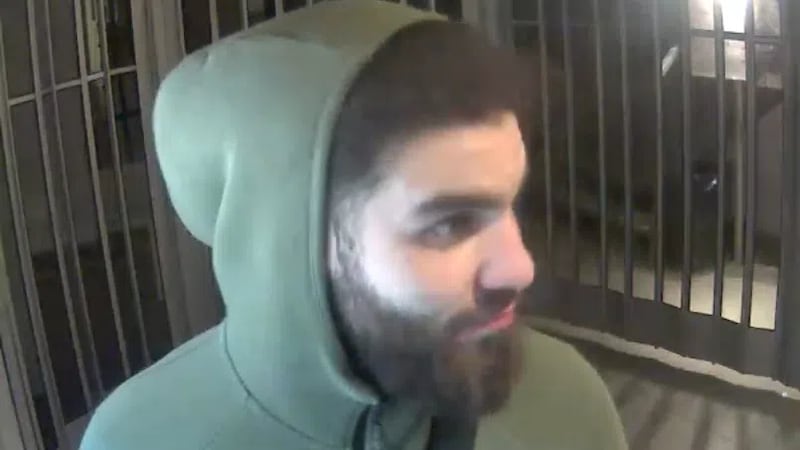
A McGill University professor specializing in radicalization says a combination of youth despair about a lack of economic opportunities, the resurgence of ISIS, and Internet addiction all play roles in how young people can feel tempted by various kinds of extremism. Cécile Rousseau says parents and teachers, however, play a key role in preventing youth from becoming radicalized, but how they approach the subject is just as important. “The idea is to get interested and try to engage a dialogue: ‘Well, what are you looking at? What are you learning? Who are you meeting?’ And get a genuine interest,” said Rousseau, a child psychiatrist and the Canada Research Chair in Preventing Violent Radicalization. On Wednesday, the RCMP arrested a 17-year-old boy in Montreal who they allege was planning a terrorist attack in the city and wanted to acquire several long guns. The Mounties allege the boy, who cannot be named because he is a minor, had pledged allegiance to the Islamic State and allegedly wanted to carry out the mass casualty attack on behalf of the terrorist group. The allegations against the teenager, who remains in custody, have not been proven in court. The case is just one recent example of violent extremism among young people. An Ottawa youth was charged in December 2023 with terrorism offences for an alleged plot against the Jewish community and a 15-year-old Edmonton-area teen was charged with a “fear of terrorism” charge in May. In June 2024, a 24-year old Burlington man was charged with terrorism offences for allegedly uttering threats on social media in support of the incel (involuntary celibate) ideology. Montreal case ‘the tip of the iceberg’ Rousseau warned the Montreal case this week is “just the tip of the iceberg” as young people “are increasingly interested by all forms of extremism and what we call nihilist violence.” “It’s a symptom of youth despair and of the fact that a lot of young people don’t see a lot of economic opportunities, future opportunities, a planet which is difficult, they feel despair, they feel rage, and so they’re tempted by different forms of extremism,” she said, including the extreme right, religious extremism, gender-related extremism. Other factors include signs of a comeback for ISIS and their recruiting efforts targeting young people abroad, she said. There is also “a wave” of xenophobia, anti-immigrant and anti-refugee sentiments. “This is making people feel unwelcome, unwanted, whether first or second generation, and people may feel that this is not a society which is welcoming them and that can fuel some anger,” the professor added. As youth spend more and more time online, Rousseau also warned about the rise in artificial intelligence (AI) and online algorithms that can reinforce one’s thinking and interests, “rather than bringing in a critical perspective.” According to her research, extremist organizations, whether they are neo-Nazi groups, religious extremists, or white supremacists, seek out vulnerable people who feel despair, distress, who are looking for certainties, “and they build on that.” “This is why these recruitment processes are so successful,” she added. What can parents do? Rousseau is part of the Polarization Clinic, a specialized clinic in Montreal that addresses violent extremism. She was part of a Montreal research team that published a study in July 2023 that found that two-thirds of extremist individuals needed mental health services but often failed to receive them, citing reasons of distrust of the socio-political system they reject or because their doctors felt unequipped to deal with them. This is where parents come in. According to Rousseau, families can spot warning signs of radicalization by being mindful of their kids’ Internet usage. Often, preference for being more online than in the real world is a risk factor for extremism, but “it doesn’t mean that everybody who prefers the online [world] will become an extremist.” The knee-jerk reaction of scolding youth for spending too much time on their phones or computers, is the wrong approach, Rousseau said. “Moralizing is not helpful and creates just a wider divide,” she said. “So if you’re interested in Andrew Tate, if you’re interested in masculinism, if you’re interested in Islam, why? Why is this attractive? What do you find? How do these people answer your questions? You see, it’s about a dialogue. Understanding is absolutely needed.” The Polarization Clinic at the CLSC de Parc-Extension in Montreal, which receives funding from Quebec’s Ministry of Health and Social Services, offers free psychological and psychiatric services for people with concerns about social polarization and radicalization in all forms. The clinic serves adults, teens, and children. “We’re entering an increasingly divided world, and we need security answers … like in this [arrest on Wednesday], are part of the solution, but they’re not the solution,” Rousseau said. “The solution is social, and there we need everybody to work on [it].”