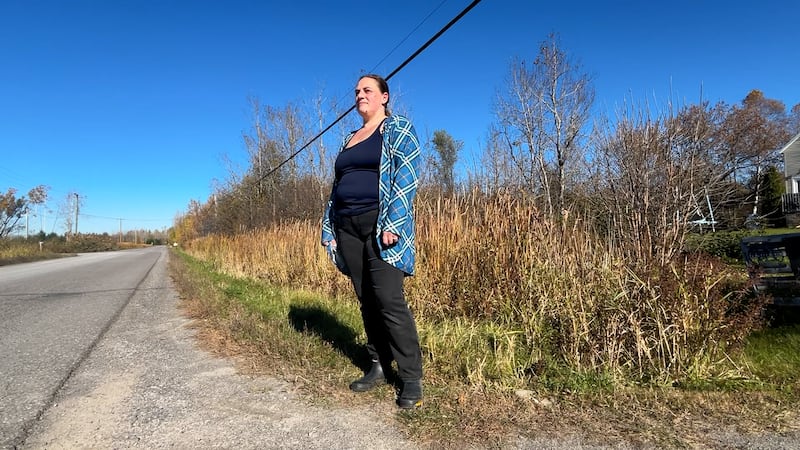
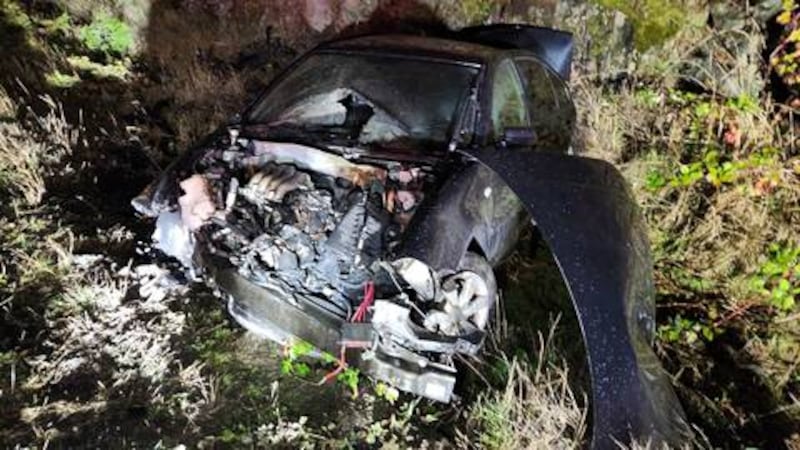
CAA is facing questions about how it handles roadside calls from people with disabilities after a Montrealer says his recent experience shows their procedure isn’t working. Frédéric McNamara says a highway breakdown turned into a nightmare, leaving him feeling “angry” and “discouraged.” “We’re not third-class citizens and transportation shouldn’t be trouble for us,” said McNamara, who has muscular dystrophy. He doesn’t drive and, as a passenger, he needs an adapted vehicle to travel. When he and his dad were on an Ontario highway, a tire blew out. As a CAA member, McNamara expected help. “It was 30 degrees, I was dehydrated. We were basically in the middle of nowhere,” he recalled. A tow truck came to his aid. Normally, CAA members ride in the car with the driver but without the appropriate mechanism in place, McNamara had no way to get inside safely. So, he waited on the side of the road. Not only was the situation diminishing and frustrating, McNamara also felt unsafe. “I was on the side of probably the most dangerous highway in Canada,” he said. That lasted three hours. CAA South Central Ontario told CTV News that procedures were followed. An adapted taxi service was requested and provincial police were called. A spokesperson added: “Under Ontario law, vehicles cannot be towed with passengers inside, including those with accessibility requirements” and that their team “focused on finding safe and appropriate transportation.” The tow truck driver stayed with McNamara until a cab arrived. For a Montreal disability advocacy group, the situation exposes a lack of consideration at CAA. “There needs to be more coordination, more collaboration, between CAA, police corps all over,” said Steven Laperriere, regroupement des activistes pour l’inclusion au Québec. “What if this had happened somewhere [remote] or in the middle of the winter when temperatures are -30 degrees?” “Now that it’s happened, it needs to be addressed,” he added. He calls on CAA to formally apologize and to make sure this doesn’t happen again McNamara says travelling is hard enough as is. “Public transit or airline companies — there needs to be a major change in accessibility,” he said, adding that, until that happens, people with disabilities will keep paying the price.