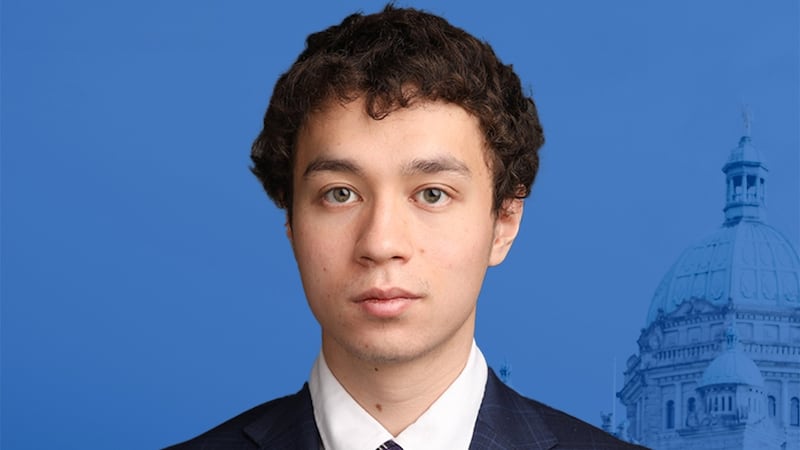
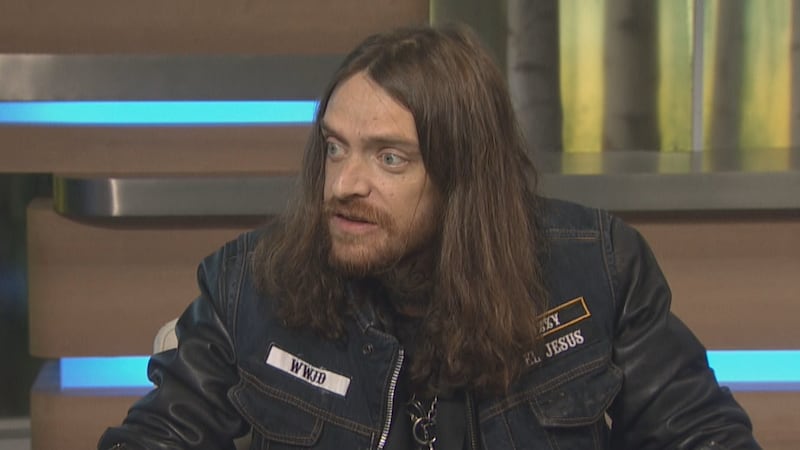
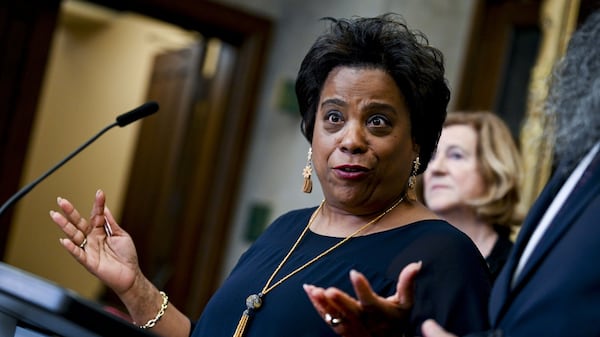
If there’s one thing all three party leaders at Montreal’s first municipal debate could agree on, it’s that the city needs to do more to accurately represent its residents. Tuesday night’s debate largely revolved around questions taken from residents before the event. The leaders of Ensemble Montréal, Projet Montréal and Transition Montréal were asked about citizen participation and direct democracy ahead of the upcoming election this fall. Craig Sauvé, a Sud-Ouest borough councillor who launched Transition Montreal earlier this year, said the entire system needs to be rethought, starting with electoral reform. Sauvé is well-known in his borough for his dedication to increasing affordable housing and introducing compost collection. He said Montreal should petition Quebec to allow proportional representation through a ranked-ballot method, which Projet Montréal used to elect Rabouin as leader. Sauvé insisted it is the best way to fight against voter cynicism and ensure fairness. Projet Montréal Leader Luc Rabouin, who took over as party leader from Mayor Valérie Plante earlier this year, stressed that the political climate is extremely polarized, especially online, and pointed to the rise of far-right ideas “not just south of the border,” but here at home. He said it’s important to invest in in-person spaces where people can discuss and open dialogue on important issues. He pointed to a housing project in his borough of the Plateau-Mont-Royal, which was highly needed, but controversial due to the densification of the area. He said that through consultation and dialogue, compromise was possible. Rabouin championed Projet Montréal as a progressive and environmentalist party, and previously said he was willing to walk back some of his predecessor’s more controversial projects, like closing Camillien-Houde Way to car traffic and biweekly garbage pickup. Ensemble Montréal Leader Soraya Martinez Ferrada said direct democracy can’t be “voting once every four years” or holding a single consultation “with 15 attendees.” She said major projects require consistent inclusion processes for residents. She said that during her time on Parliament Hill in Ottawa, she rarely got to speak to her constituents – a major change she’s seen since joining municipal politics. “It’s only at the municipal level that people can ask questions to elected officials,” she said. Martinez Ferrada has been gathering a roster of high-profile candidates for her party and has promised to cut 1,000 city jobs while talking about the city’s consultation process for bike lanes. The three leaders also grappled with the lack of political participation even within consultation efforts. They all agreed that homelessness is a core issue in the city and that the unhoused must be included in democracy, whether that means allowing them to register to vote with a non-profit’s address, as Martinez Ferrada suggested, or to increase efforts to build social housing and give people a roof over their heads. Martinez Ferrada said the city needs to “think outside the box” rather than rely on the same roundtables and Office de consultation publique de Montréal (OCPM) efforts. Rabouin said residents need to feel like their opinion matters to ensure a diversity of input. He added that there are a lot of “loud people” who are “very active” in municipal politics. Sauvé, on the other hand, said the government has a blind spot to the average Montrealer’s reality. He said many are working around the clock to afford rent and food and take care of their children, and they simply don’t have the time to show up at a neighbourhood consultation. “The minimum wage is $16.10 per hour, that’s about $2,500 per month if you’re working full-time, and the average four-and-a-half costs $1,930,” he pointed out. “We have to make life more accessible to make democracy accessible.” Montrealers are set to make their way to the ballot box on Nov. 2. With files from CTV News’ Matt Gilmour.