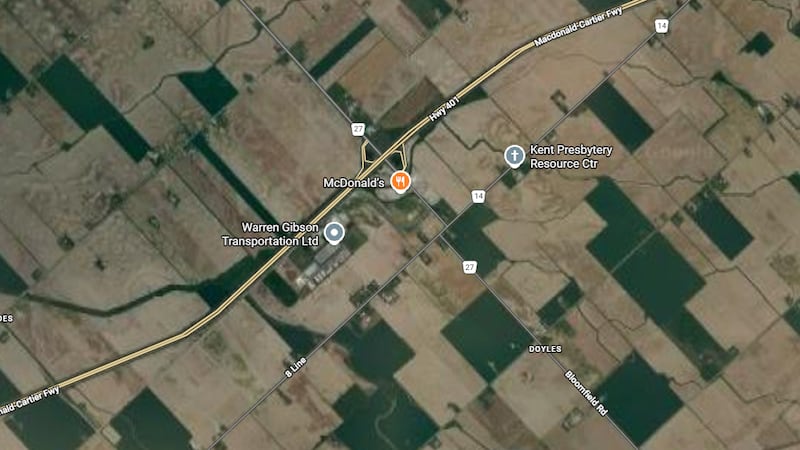
Health officials are confirming that a second cat has contracted rabies from a raccoon in Quebec’s Montérégie region. This case was detected on July 31 in Saint-Anicet, southwest of Montreal. Health agency Santé Québec says three people received preventive rabies treatment after coming in contact with the animal. The new case came one week after rabies was detected in a first cat in Godmanchester, which is also in the Montérégie region. Quebec has been grappling with an outbreak that has grown to 139 known raccoon rabies cases since the beginning of 2026. Rabies is fatal in both animals and humans once symptoms appear, but preventive treatment can stop the disease from developing in humans if administered shortly after contact with an infected animal. This report by The Canadian Press was first published Aug. 11, 2026.