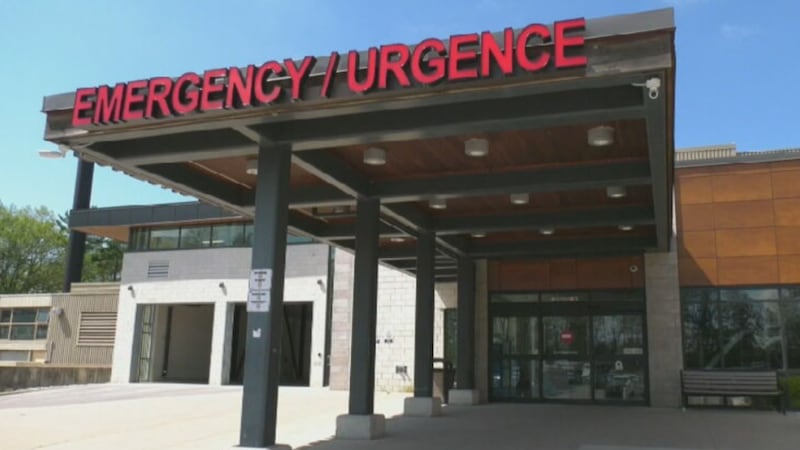
More than 100 animal lovers and activists gathered on the sidewalk outside St. Joseph’s Hospital in London, Ont. to express their reaction to a report this week about animal testing conducted at its Lawson Health Research Institute. “There is a lot of anger and a lot of sadness,” said Nives Ilic, Mobilization Manager at Animal Justice, a Canadian advocacy group. “We’re here to honor the lives of the animals who have been killed by St. Joseph’s Hospital. And we’re also here with a call for change.” The report was published this week by the Investigative Journalism Bureau in partnership with National Post. The report cites whistleblowers who claim the animals are being subjected to painful and prolonged procedures as part of research into human heart attack recovery. “They call it the secret sixth floor,” said Robert Cribb, founder of the Investigative Journalism Bureau. “It’s there that [dogs] undergo procedures, which are effectively inducing heart failure to study its recovery. They can go on for as long as three hours, according to internal study protocol documents we reviewed. They’re caged, there appears to be no beds, there’s feces in the cages and post-surgery there’s certainly high-pitched whining,” he said. News of those studies upset people across the country. “This is a clear case of animal cruelty because, you know, forcing animals to be in cardiac arrest for three hours or more is, you know, insane,” said Chloe Legard, who came to the protest wearing a pig mask and holding a sign above her head. Other expressed their sadness, frustration and disappointment. “It’s emotional,” said David Magna. “You can tell right now, like my heart’s beating and the hairs on my arm are kind of lifting up just because we all we all know what it’s like to be around these companions.” In a statement to CTV News this week, St. Joseph’s did not deny the use of dogs in research, but said, “The story contains several inaccuracies of fact.” The hospital emphasized the necessity of the studies, saying they aim, “… to learn more about how to accurately image post-heart attack injury and healing that we cannot yet decipher using other models.” “No other effective models currently exist for this specific line of inquiry,” the statement added. The hospital said its approach to animal care is rooted in “respect, excellence and compassion,” and that all animal research is guided by “rigorous policies and procedures” established by both provincial and national oversight bodies. Animal Justice organized the rally Saturday. “We really want the hospital to partner with Animal Justice and the Beagle Alliance and rehome the surviving animals who have been through so much and just deserve a second chance at living a natural life,” said Ilic. “We’re also asking for the hospital to look at changing their current practices and adopting cruelty free, animal free, ethical, modern alternatives that a lot of professionals are recommending.” Ilic says when they first decided to start this protest and vigil, she hoped they would attract a dozen or so supporters. It went far beyond that number. “I think people are heartbroken and I think Canadians all over this country are crying and absolutely shaken by this story,” said Ilic. “I think a lot of people don’t understand that situations like this exist all over Canada. Thousands of animals, thousands of dogs are used for animal testing and research. What I really want people to understand is as sad is all of this is, they have power. Coming out here today and speaking up for those animals, contacting their MP’s, taking actions that can make a difference.” Animal lover and Londoner Jim McCormick told the crowd they need to keep the pressure on over the next few weeks, even when this story leaves the media’s front pages. “It’s incumbent on us to make sure this doesn’t go away,” said McCormick. “They are going to shutter this, just like they are probably doing right now coast to coast. They’ll move it someplace else where it’s disguised and nobody is going to know about it. That doesn’t sit well with me.” - With files from CTV’s Reta Ismail