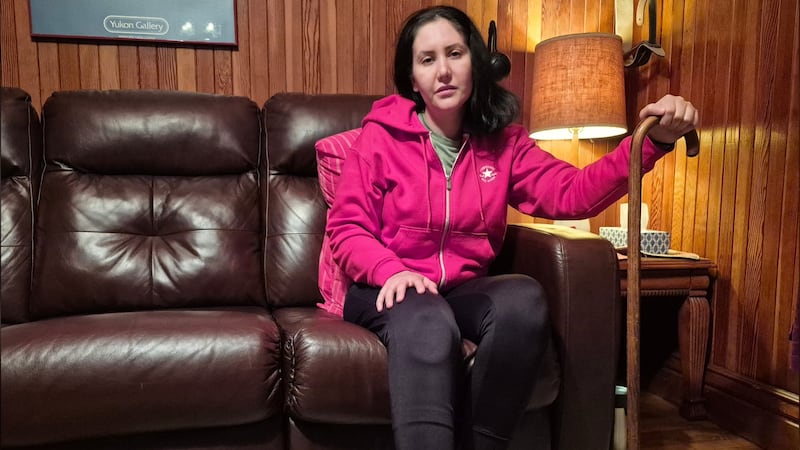
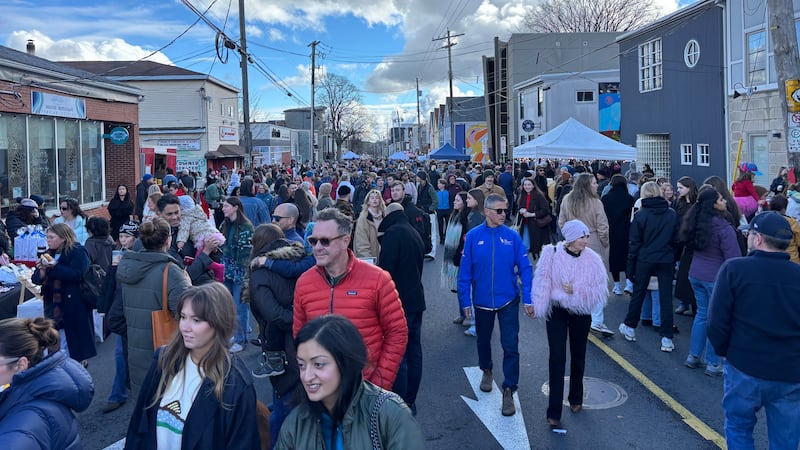
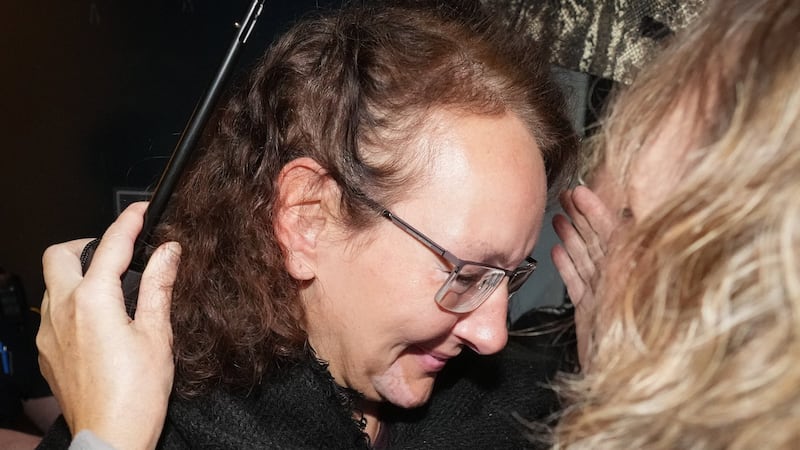
For 45 years, Shari Stevens has been waiting for a cure for her Type 1 diabetes. “The Flame (of Hope) is still burning which means we are still waiting for a cure,” said Stevens while taking in the World Diabetes Day (WDD) festivities at Banting House Museum in London, Ont. “I look forward to the day that I can literally see the light go out on that flame because that will mean we have a cure.” Stevens was one of hundreds of diabetics and their families who came to the “birthplace of insulin” for the event which is celebrated annually on Nov. 14th, the birthday of Sir Frederick Banting. It’s a worldwide awareness campaign focusing on early diagnosis, risk reduction, access to quality care, and reducing stigma. “We have people from British Columbia in the west, Massachusetts in the east, Kansas in the south, and the Sault in the north,” said Grant Maltman, curator of Banting House. Stevens and her friend Nan Borchardt are the visitors who came 1,400 km from Kansas to London. “My diabetic journey has been an adventure,” said Borchardt, a recently retired diabetes educator. “I’m 66 now and I was diagnosed 60-and-a-half years ago.” On her first trip to Banting House, Borchardt was taking in the sights and visiting the place where Dr. Banting woke up at two o’clock in the morning on Oct. 31, 1920 with the idea that led to the discovery of insulin. “It was meaningful to me to see what changes have made seeing the old pump, seeing the old equipment,” said Borchardt. “Sherry and I poked through most of those and say, ’I bought that one and I used this one.’ We recognized everything and even talk about the huge blood glucose meters we had and the fact that we had all seen that U40 insulin is what we both started out with.” Since first being diagnosed 60 years ago, Borchardt reflected on the advancements in technology. “My mom and dad had to boil my own insulin syringes in the morning before they gave me my insulin shot,’ she joked. “We had nothing like disposable syringes, so it’s just the little things like that have made our lives much easier.” Borchardt has been able to live comfortably and even enjoys long-distance cycling. She hopes to eventually see a cure, even if it isn’t during her lifetime. “It sounds cliche, but we’re closer (to a cure) than we’ve ever been before,” said Maltman. “Diabetes Canada, we have over 80 projects from coast to coast. We invested over $180 million in the last 50 years to find a cure, for research, to limit complications and address the stigma that’s caused by diabetes.” Ahead of WDD, Ontario Deputy Premier and Minister of Health, Sylvia Jones announced an expansion to insulin pump therapy funding through the province’s Assistive Devices Program (ADP). These changes are intended to allow nearly 4,000 Ontarians with Type 1 diabetes to access funding for insulin pumps and supplies up to a year sooner. “Diabetes Canada has been working tirelessly as advocates for Canadians living with diabetes, and we’re starting to see the results from the government and understanding that we need to help these people live better, healthier lives,” said Maltman. As part of the WDD celebrations, dozens of bricks were unveiled recognizing the diaversary of many diabetics. A diaversary is the annual anniversary of the day a person was diagnosed with diabetes. While Borchardt was making her first trip to Banting House to see her new brick, Stevens was visiting for the second time. “I married a wonderful Canadian, and as we went along, I told him that Banting basically saved all of our lives,” said Stevens. “Four years ago, I made my first kind of pilgrimage up to Banting House and it was very moving. I don’t think I had a dry eye through the entire experience. It’s just so neat because as we visited with other people, despite how old or young you are, it turned into what pump are you wearing? I’m wearing this. It’s just a natural draw we have with each other.”