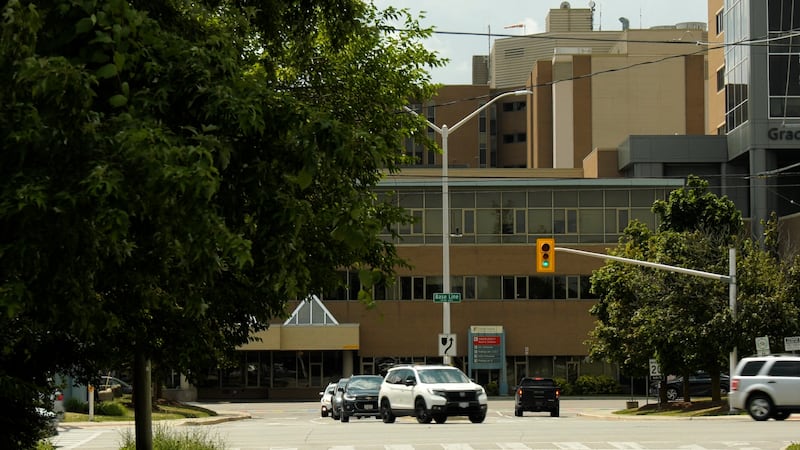
An anonymous $6-million donation will help establish Canada’s first national biobank dedicated exclusively to multiple myeloma research at London Health Sciences Centre. The Canadian Myeloma Research Biobank will be housed at the London Health Sciences Centre Research Institute and developed through a collaboration between the London Health Sciences Foundation and the Canadian Myeloma Research Group. The gift is among the largest donations to multiple myeloma research in Canada and the largest known gift from a Canadian philanthropist dedicated to the disease, according to the organizations. The biobank will collect, store and make biological samples available to approved researchers across the country, helping advance discoveries, improve diagnostics and develop new treatment options. Multiple myeloma is a complex blood cancer that begins in plasma cells, a type of white blood cell that produces antibodies. The disease can damage bones, cause anemia and kidney problems, and weaken the immune system. An estimated 4,400 Canadians will be diagnosed with multiple myeloma in 2026. While treatments such as chemotherapy, stem cell transplants and immunotherapy can help control the disease, there is currently no cure. The new biobank will bring together blood, bone marrow and other biological samples collected with patients’ consent. Researchers will be able to study samples taken at different stages of the disease, including diagnosis, after treatment and relapse. The goal is to better understand how the cancer develops, why some treatments work better for certain patients and how the disease becomes resistant to treatment. The biobank will also complement the Canadian Myeloma Research Group’s national database, which contains disease-specific information on more than 12,000 Canadian patients. The anonymous donor, who is living with multiple myeloma and received immunotherapy through a clinical trial in Boston, said the experience highlighted both advances in treatment and the barriers some Canadians face in accessing care. “I also know the cost and frequent travel required to access these treatments can put them out of reach for many Canadians,” the donor said. The donor said the gift is intended to strengthen research in Canada and support efforts to find a cure. Engin Gul, chief executive officer of the Canadian Myeloma Research Group, said the biobank will expand access to high-quality samples and help researchers collaborate on more precise and effective treatments. Dr. Chris McIntyre, interim vice-president of research and scientific director of the London Health Sciences Centre Research Institute, said studying patient samples could help explain why treatments produce different results and lead to improvements in care. Planning and implementation are underway, with the biobank expected to become operational in 2027. Once established, it will support research collaborations across Canada and internationally, including studies into early detection, personalized treatments and ways to improve outcomes for people living with multiple myeloma.