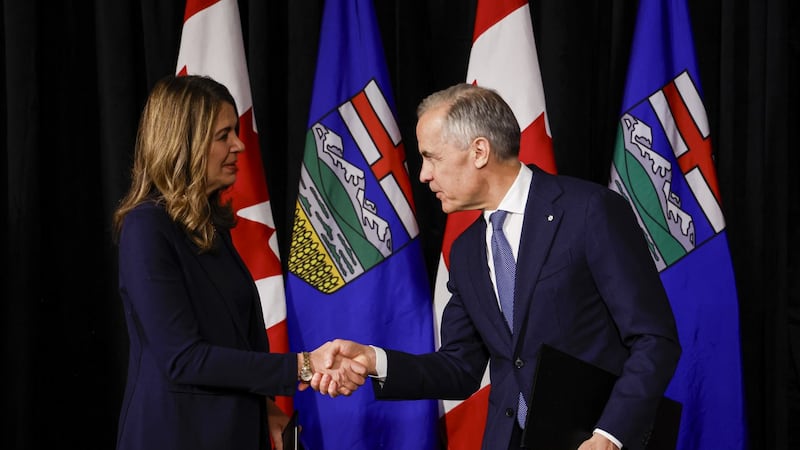
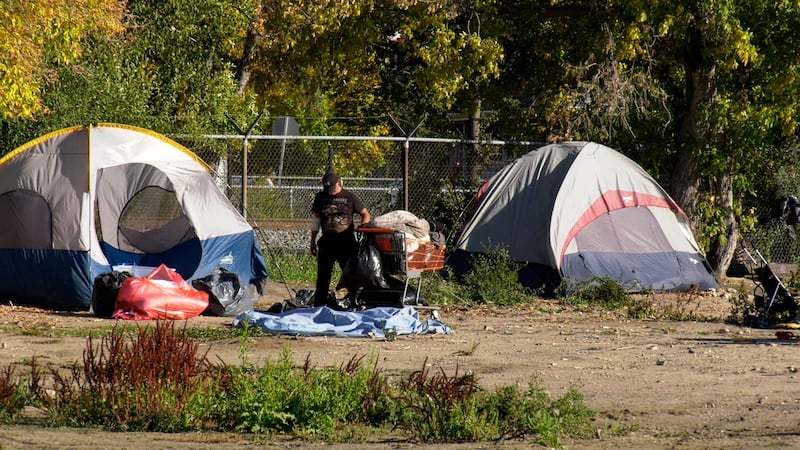
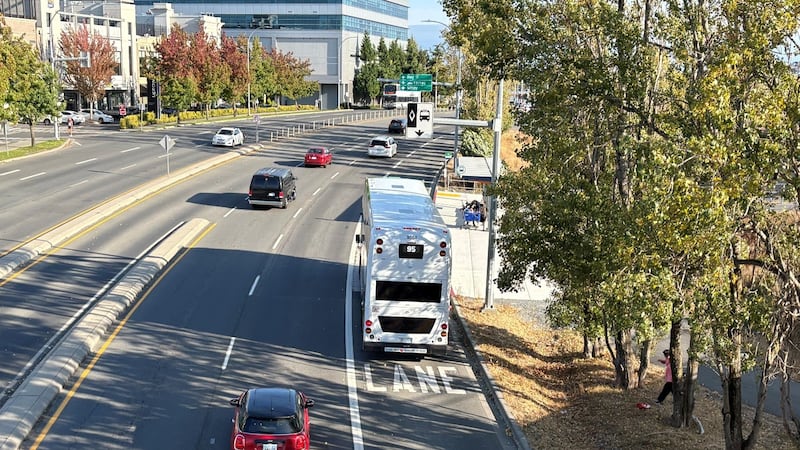
New details were shared Wednesday about the $291 million in spending for Waterloo Region’s transit network, including the plan to begin construction of a centralized transit hub and expand Grand River Transit’s fleet of buses. A large park of the funding, which is coming from local, provincial and federal governments, is earmarked for the Kitchener Central Transit Hub at the corner of King Street and Victoria Street, which will connect the region to communities across southwestern Ontario and the Region of Waterloo International Airport by bringing together Grand River Transit, ION trains, GO Transit, VIA Rail and intercity buses to one location. On Wednesday, officials announced some of the money would be used to build four additional bus bays and a mobility bus stop at the transit hub. In total, $291 million has been set aside for transit investments confirmed on Wednesday. The Region of Waterloo has earmarked $80 million, while the federal government has committed $115 million and the provincial government promised $96 million. The Region also plans to purchase 126 new hybrid buses. Seventy buses will help to expand the existing fleet, while the other 56 will replace retired diesel vehicles. Officials said some of the funds would go towards path and pedestrian bridge improvements, as well as accessibility and safety measures. “Last year there were more than 26 million rides taken on Grand River Transit in the Region of Waterloo,” said Waterloo MP Bardish Chagger. “It’s clear that public transit serves as a vital lifeline for thousands of residents to commute to work, attend school and explore everything the region has to offer.” In December 2024, the region’s acting commissioner of transportation said construction would begin the next year. “We’ll be in the ground in 2025,” promised Doug Spooner. That didn’t happen because of one big obstacle – the long-term homeless encampment at 100 Victoria Street. The region approved a site-specific bylaw in April to clear the encampment and allow crews to begin work on the property. But, not long after, the plan was put on hold after the lawyers representing the encampment residents successfully sought a court injunction to postpone the eviction bylaw, pending a Charter challenge. It was the region’s second attempt to remove the encampment. They also lost a legal challenge to evict residents in 2023. At Wednesday’s announcement, Karen Redman reiterated the region’s commitment to support the region’s unhoused population. “All along, at the encampment, we’ve been working with individuals to create housing plans,” the regional chair explained. “They will continue to do that outreach as we wait for the court proceedings to unfold. We’re still providing that kind of support. We also recognize that housing – stable housing – is the best way to get people from unhoused to housed. We’ve always been a housing first community, and we will continue doing that.” Lawyers for the region and encampment residents were supposed to address the bylaw in superior court this past November, but the hearing was adjourned until February 2026 as both sides pursued mediation. Earlier this month, CTV News learned those talks had broken down. Officials, meanwhile, insisted work on the transit hub is still on track for 2026. “Shovels are going in the ground, hopefully, in the spring,” Prabmeet Sarkaria, Ontario’s transportation minister, said Wednesday. “More information [will be] be provided on the project as we move forward on that and anything that we can do from a provincial perspective to speed that up, we will.” Construction of the transit hub will take several years to complete. “Projects of this size will be phased. It doesn’t happen all at once,” Redman said. “We know that Metrolinx wants the land early in the spring, and that will be the beginning part when they do their due diligence.”