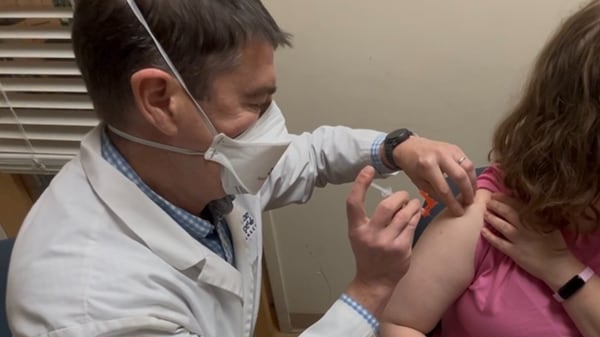
A virtual health care service is working to address gaps in specialized care for women navigating perimenopause and menopause, including their mental health. BRIA, a Toronto-based service focused on women’s mental health and hormone care, connects patients with providers who can assess their symptoms and develop treatment plans based on their individual needs. Lisa Wahbe said she noticed a change in her 40s. “I started to experience new symptoms of anxiety and not sleeping,” she told CTV News. “And I wasn’t quite sure if it was my mental health or something else.” Wahbe, who had a history of postpartum depression, turned to her psychiatrist, who introduced her to BRIA. She struggled to find menopause-related support locally. “In Kitchener-Waterloo, there are not a lot of services for people who are going through menopause,” Wahbe said. “It’s actually quite a long wait.” How BRIA’s virtual care works BRIA was launched in 2022 to provide specialized care for women at different stages in their reproductive lives, from fertility and pregnancy to postpartum and menopause. Dr. Ariel Dalfen, a psychiatrist and the service’s CEO, said their approach takes the patient’s health history and current symptoms into consideration. “We really look at each individual,” she said. “We look at their mental health history, we look at the symptoms they’re experiencing, and then we’re able to put into place all the different pieces of a treatment plan.” Depending on a patient’s needs, services can include psychiatric assessments and care, medication management, menopause hormone assessments, individual and couples therapy, and specialized sleep and nutrition support. The service is offered virtually, allowing patients to access care remotely. However, availability, wait times and suitability still depends on individual circumstances and the services required. Addressing the mental health side of menopause October is World Menopause Month and World Menopause Day is observed on Oct. 18. While awareness of physical symptoms such as hot flashes has grown, health professionals say the psychological effects during the transition into menopause also deserves attention. Symptoms can include anxiety, depression, irritability, mood changes, difficulty concentrating and disrupted sleep. These can affect daily life, relationships and work, and may not always be immediately linked to hormonal changes. Athena Ferraro, a social worker and psychotherapist at Bliss Counselling, said there is also a misconception about the age at which menopause-related symptoms can begin. “It’s like, ‘Oh, you’re too young for menopause.’ But that’s a myth,” Ferraro said, noting that perimenopause can start as early as the late 30s or early 40s. Beyond providing virtual care, the service also operates BRIA Academy, a training program designed to help health care and mental health professionals better support women through the reproductive and midlife transition. Their goal is to expand clinicians’ knowledge of the relationship between hormones and mental health, including how to recognize and assess symptoms that might otherwise be overlooked.